
Science & Technology
Škoda and Parkopedia enhance valued in-car payment service


[ad_1]
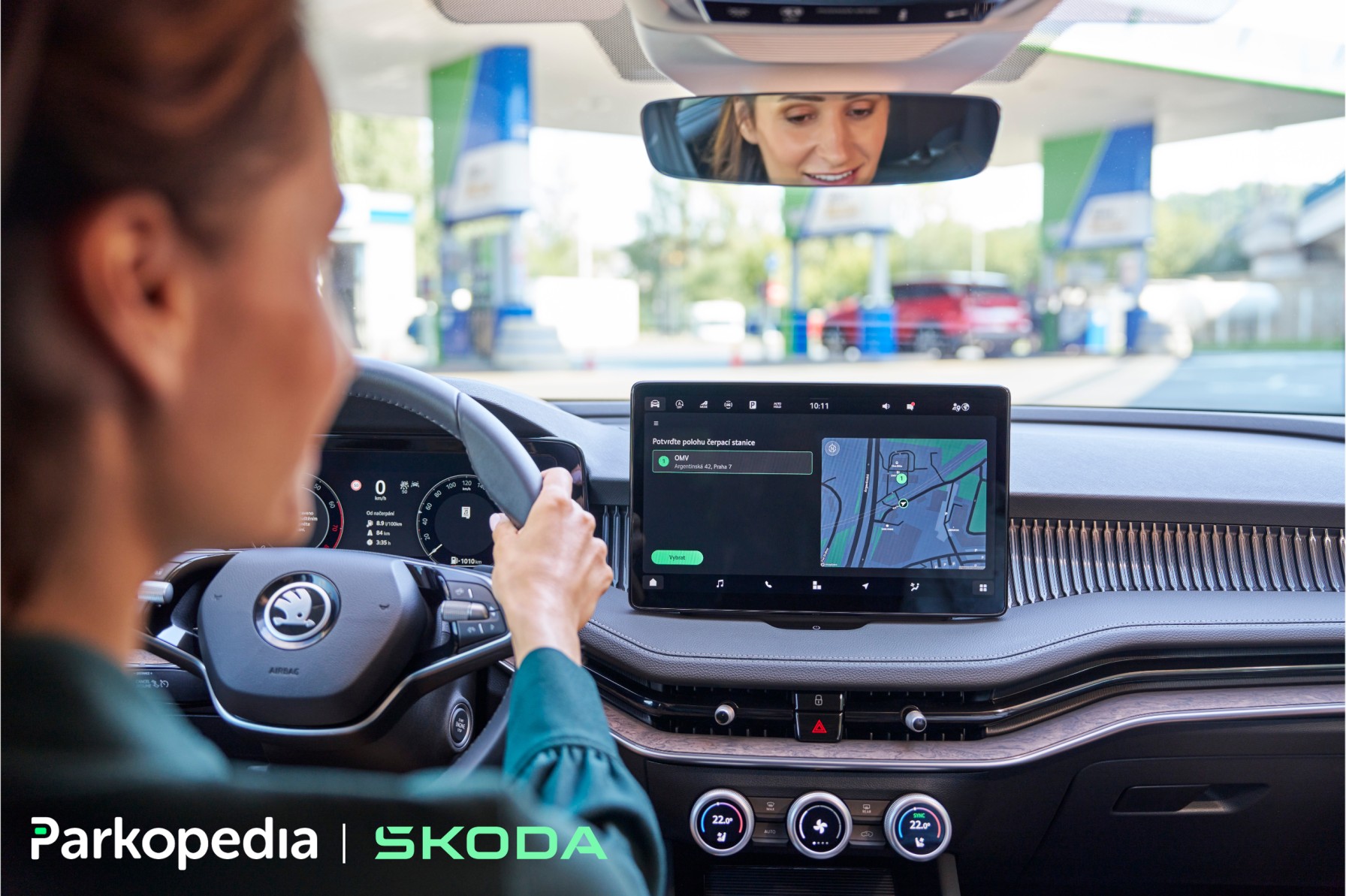
- Helpful live notifications on Škoda infotainment systems inform drivers when in-car parking and fuelling payment functionality is available at a location
- New in-car payments service is available launching with fuel-powered Škoda models produced from Q2 2024 across Europe plus the Škoda Enyaq and the upcoming all-electric Škoda Elroq with further EVs to follow1
- Parkopedia provides parking data and in-car payment platform functionality for Škoda drivers
5 December 2024 – London, UK / Mlada Boleslav, Czech Republic
Parkopedia and Škoda have updated notifications on their in-car payment service to now include helpful prompts to inform drivers when they are approaching locations that support in-car payment transactions, building upon the existing collaboration that currently provides convenient in-car payments for parking and fuelling.
This ‘nudging’ functionality enables drivers to easily locate parking and fuelling sites, with useful notifications now appearing on their vehicles’ infotainment screens to inform them of locations where they can complete transactions, as part of an enhanced connected driver experience. The functionality is made possible thanks to Parkopedia’s extensive and granular parking data with the quality and accuracy of location data being a fundamental part of enabling successful in-car transactions. This new functionality is launched with fuel-powered Škoda models, produced from Q2 2024 including the Fabia, Kamiq, Karoq, Kodiaq, Octavia, Scala and Superb, with notifications for parking locations being added to the the upcoming all-electric Škoda Elroq at launch, with the Enyaq and additional EV models gaining this functionality in 2025.
The service takes the stress out of finding parking machines, minimises driver distractions with subtle prompts and bypasses additional issues such as out-of-order machines, not having the correct change, card payment issues and more. In-car payments are a growing priority for drivers worldwide, with 59% of European drivers wanting the option to pay for parking through their in-car media system, according to the latest Parkopedia Global Driver Survey figures. This survey also highlighted that parking is the most requested in-car payment service for drivers, reflecting that paying for services with outdated methods can be an unnecessarily stressful and time-consuming process that detracts from the driving experience.
Highlighting the value of this new functionality, Markus Dohl, VP of Sales & Business Development Europe at Parkopedia, said: “New cars are now packed with a host of useful features, so it can be difficult for drivers to find the connected services they want while focusing on driving. Our new feature developed with Škoda, simplifies the payment process, intelligently informing drivers when convenient in-car payment services are available in their surrounding area or at their destination with onscreen notifications and prompts. This ensures that drivers can easily access Škoda’s valued connected services, bolstering its strong brand satisfaction and customer loyalty.”
Referring to the partnership, Škoda Technical Project Lead & Product Manager, Martin Handl, added: “Škoda is proud to offer a range of user-friendly features that take the stress out of drivers’ everyday lives and our latest feature with Parkopedia offers the same value, enabling drivers to get the most from their Škoda whenever they need to make vehicle-based purchases behind the wheel. From our driver feedback, we know that paying for parking and fuel can be a tedious and stressful task for our drivers, which is why we’ve worked with Parkopedia to streamline this process for our drivers with this innovative and valuable solution.”
ENDS
1 Škoda Pay to Park and Pay to Fuel are available in the following European countries. Pay to Park: Czechia, Germany, Denmark, Finland, Norway, Sweden, Belgium, Switzerland, Austria, Hungary, Slovenia, France, Spain, Netherlands, Italy and Portugal.
Pay to Fuel: Czechia, Germany, Denmark, Luxembourg, Belgium, Switzerland, Spain and Portugal. Pay to Park has been live since Q3/2022, with Pay to Fuel going live in Q4/2023 with coverage being continuously increased.
About Parkopedia
Parkopedia is the leading connected car services provider used by automakers, organisations and millions of drivers around the world. Parkopedia helps drivers find and pay for parking, EV charging, fuel and tolls across 90 countries. Parkopedia is also developing highly detailed indoor maps and corresponding algorithms to help drivers and self-driving vehicles navigate to available parking spaces and EV chargers. Visit business.parkopedia.com for more information.
About Škoda
With 120 years of history, Škoda is one of the oldest automotive manufacturers in the world and is now part of the Volkswagen Group. From modest beginnings, the brand has produced a vast range of products over the last 12 decades, from bicycles to racing cars, with the original factory in Mladá Boleslav, Czech Republic always at the heart of operations.
Parkopedia Global Media Contact
Adam Calland
Marketing Director
T: +44(0)7838219129
Škoda Media Contact
Martin Ježek
Spokesperson for Digital Topics
T: +420 730 865 258
[ad_2]
Source link






Science & Technology
AI Cloning Real People’s Videos Raises Ethical Concerns
AI cloning of real people’s videos raises ethical concerns about privacy, consent, and misuse.


The rise of artificial intelligence technology enabling the cloning of real people’s videos has ignited a profound ethical debate. The technology allows for the creation of videos that replicate individuals’ likenesses and voices without their consent, sparking concerns over privacy and identity theft [Yahoo, Nov 2026]. This capability not only infringes on personal privacy but also poses a significant threat to security, as noted by cybersecurity experts who warn of the potential for misuse [Yahoo, Nov 2026].
The ramifications of this technology extend beyond individual privacy concerns. Experts warn of a potential surge in misinformation and deepfake content, as AI-generated videos become indistinguishable from authentic footage [Yahoo, Nov 2026]. This could lead to a new era where distinguishing fact from fabrication becomes exceedingly difficult, which poses a danger to both public opinion and democratic processes.
In response, there have been increasing calls for stricter regulations on AI-generated content. Policymakers and tech companies are at the forefront of these discussions, as they grapple with the ethical implications of AI cloning [Yahoo, Nov 2026]. The debate centers on finding a balance between technological advancement and the protection of individual rights, a challenge that has become more pressing as the technology advances.
The ethical concerns surrounding AI cloning are not merely hypothetical. Real-world applications of this technology have already begun to surface, raising alarms among privacy advocates and legal experts alike. The ability to replicate someone’s likeness without their consent is seen as a direct violation of personal autonomy, reinforcing the urgent need for regulatory frameworks [Yahoo, Nov 2026].
As the debate over AI cloning intensifies, the role of tech companies in mitigating potential harms is under scrutiny. Many argue that these companies bear a significant responsibility in ensuring their technologies are not used for malicious purposes. This includes developing and implementing robust safeguards against misuse [Yahoo, Nov 2026].
The potential for AI cloning to be weaponized for misinformation campaigns is a growing concern. In an era where the authenticity of information is paramount, the ability to generate convincing fake videos could erode trust in media and public institutions. This highlights the critical need for comprehensive strategies to address the spread of deepfake content [Yahoo, Nov 2026].
Amid these challenges, the conversation around AI cloning also touches on broader societal issues such as consent and agency. The unauthorized use of a person’s image or voice raises questions about who owns digital likenesses and how they should be protected. These questions are central to the ongoing ethical discussions [Yahoo, Nov 2026].
The urgency for regulation is further underscored by the rapid pace of AI development. As technology continues to evolve, the window for establishing effective legal and ethical guidelines is narrowing. Policymakers are under pressure to act swiftly to prevent potential abuses and ensure that AI serves the public good [Yahoo, Nov 2026].
Looking ahead, the outcome of these debates will likely shape the trajectory of AI technology and its integration into society. The decisions made by policymakers and tech companies will determine whether AI cloning becomes a tool for innovation or a source of new ethical dilemmas. The response to these challenges will be a defining factor in the future landscape of digital content creation [Yahoo, Nov 2026].
Science & Technology
California Sues OpenAI Over AI Development Safeguards
California sues OpenAI, alleging inadequate AI safeguards, raising ethical concerns and setting potential regulatory precedents.

On November 16, 2026, the California Attorney General’s office filed a lawsuit against OpenAI, a leader in artificial intelligence research, alleging that the company’s development processes lack sufficient safeguards to protect consumers and the public. This legal action marks a significant moment in the ongoing debate about the ethical and safety standards required in AI technology development. The lawsuit underscores what the Attorney General describes as “the need for stringent safety measures” in the creation and deployment of AI systems [Al Jazeera, Nov 2026].
OpenAI has gained prominence for its work in developing cutting-edge AI models, which have the potential to transform various industries. However, the lawsuit raises critical questions about the balance between innovation and public safety. It argues that without robust safeguards, OpenAI’s practices could lead to harmful consequences for consumers and society at large [Al Jazeera, Nov 2026].
The implications of this lawsuit extend beyond OpenAI, potentially setting a precedent for how AI development is regulated in the future. The case illustrates a growing recognition among regulators of the need to establish clear guidelines and standards to govern the rapidly evolving field of artificial intelligence. This development suggests that companies like OpenAI may soon face more stringent oversight and accountability measures [Al Jazeera, Nov 2026].
California’s move to sue OpenAI highlights the state’s proactive stance in addressing the ethical issues surrounding AI. As a hub for technological innovation, California is in a unique position to influence national and global discussions about AI regulation. The outcome of this case could shape the future landscape of AI development, emphasizing the importance of integrating ethical considerations into technological advancements [Al Jazeera, Nov 2026].
The lawsuit also brings to light the potential risks associated with AI technologies, which, if left unchecked, could pose significant threats to privacy, security, and equity. By taking legal action, California aims to prompt a broader conversation about the responsibilities of AI developers and the need for comprehensive safety protocols [Al Jazeera, Nov 2026].
OpenAI’s response to the lawsuit will be closely watched, as it may impact the company’s reputation and its approach to AI development. While OpenAI has been at the forefront of AI research, the legal challenge presents an opportunity for the organization to demonstrate its commitment to ethical practices and consumer protection. This case could encourage other AI firms to reevaluate their own safety measures and ethical standards [Al Jazeera, Nov 2026].
The legal proceedings against OpenAI highlight the tension between technological advancement and regulatory intervention. As AI continues to evolve, the need for a balanced approach that ensures both innovation and public safety becomes increasingly crucial. The outcome of this lawsuit may serve as a catalyst for the development of more comprehensive regulatory frameworks governing AI technologies [Al Jazeera, Nov 2026].
In pursuing this lawsuit, California is not just challenging OpenAI but is also setting the stage for future regulatory actions that could impact the broader tech industry. This case may encourage other states and countries to consider similar measures, potentially leading to a more coordinated global effort to regulate AI development and deployment [Al Jazeera, Nov 2026].
As the legal battle unfolds, stakeholders in the AI industry will be keenly observing the proceedings, aware that the case might redefine the standards for ethical AI development. The outcome will likely influence how AI technologies are perceived and governed in the coming years, emphasizing the critical role of regulation in shaping the future of artificial intelligence [Al Jazeera, Nov 2026].
Science & Technology
Nvidia’s Leadership Crisis: CEO Jensen Huang’s Future in Question
Nvidia’s board considers ousting CEO Jensen Huang amid leadership crisis, impacting company and tech industry future.

Nvidia, a titan in the tech industry, is embroiled in a leadership crisis as the board reportedly contemplates the removal of its CEO, Jensen Huang. This potential ousting has sent ripples through the tech world, given Huang’s pivotal role in Nvidia’s ascent to its current status. The board’s recent meeting to discuss Huang’s future underscores the gravity of the situation, highlighting the internal tensions within the company [Reuters, November 2026].
Huang’s tenure has been synonymous with Nvidia’s growth and innovation, making him an integral part of the company’s identity. His leadership has been crucial in navigating Nvidia through the evolving technological landscape, securing its position as a leader in graphics processing and AI technology [WSJ, November 2026]. However, recent volatility in Nvidia’s stock has sparked investor concerns about the company’s leadership and future direction [Reuters, November 2026].
The board of Nvidia is reportedly evaluating all options as it deliberates Huang’s future. This consideration comes amid a backdrop of fluctuating stock prices, which have raised questions about the company’s strategic direction and management effectiveness [WSJ, November 2026]. The potential restructuring of Nvidia’s management could have far-reaching implications for the company and the broader tech industry [Reuters, November 2026].
As the board weighs its options, the outcome of these discussions could lead to significant changes within Nvidia. Such a shake-up in leadership is not just a concern for the company but also for investors and stakeholders who are closely monitoring the situation [Reuters, November 2026]. The prospect of a new leadership team raises questions about whether Nvidia can maintain its innovative edge and continue its trajectory in the competitive tech market.
The decision to possibly remove Huang is not just about leadership but also about the company’s ability to adapt to market changes and investor expectations. This situation places Nvidia at a crossroads, where the decisions made could redefine its future and its role in the tech industry. The stakes are high, and the consequences of the board’s decision will likely be felt beyond Nvidia’s walls.
While the board’s deliberations continue, the tech community is left speculating about the future leadership of one of its most influential companies. This uncertainty underscores the challenges of maintaining leadership stability in a rapidly changing industry. Nvidia’s ability to navigate this crisis will be crucial in determining its future success and influence in the tech world.
The decision of whether to retain Huang or seek new leadership will be a defining moment for Nvidia. It will test the company’s resilience and capacity for innovation in the face of adversity. As the board weighs its options, the tech industry awaits the outcome, which could set a precedent for how similar companies manage leadership transitions in the future.
Nvidia’s board is expected to make a decision in the coming weeks, a timeline that puts pressure on all stakeholders involved. The resolution of this leadership crisis will not only shape Nvidia’s immediate future but also influence its long-term strategic goals. Observers and industry insiders will watch closely as Nvidia navigates this pivotal moment in its history.
-
 Business & Finance2 years ago
Xella achieves significant progress in CO₂ emissions reduction, circular economy, and occupational safety
-

 Entertainment & Arts6 months ago
Drake’s ‘Iceman’: A Streaming Chart-Busting Success Story
-
 Environment & Nature2 years ago
SK tes Launches New Circular IT Facility in Shannon, Expanding Ireland’s Role in Global Sustainable Tech Services
-

 Science & Technology6 months ago
Apple’s AI Innovations: Shaping the Competitive Landscape in 2026
-

 Business & Finance6 months ago
AI Revolutionizes Cryptocurrency Trading with Real-Time Analysis
-

 Environment & Nature6 months ago
Scotland’s Rewilding Revolution: Ecological Benefits and Global Influence
-

 Science & Technology6 months ago
Quantum Computing Breakthroughs: Disrupting Industries with Oxford’s Innovations
-

 Business & Finance6 months ago
EU’s Regulatory Shift: A Boon for Small Tech Firms