
Science & Technology
New UK Alliance for Sustainable Chemicals and Materials Launched to Drive a Greener, Resilient Future for British Industry

[ad_1]
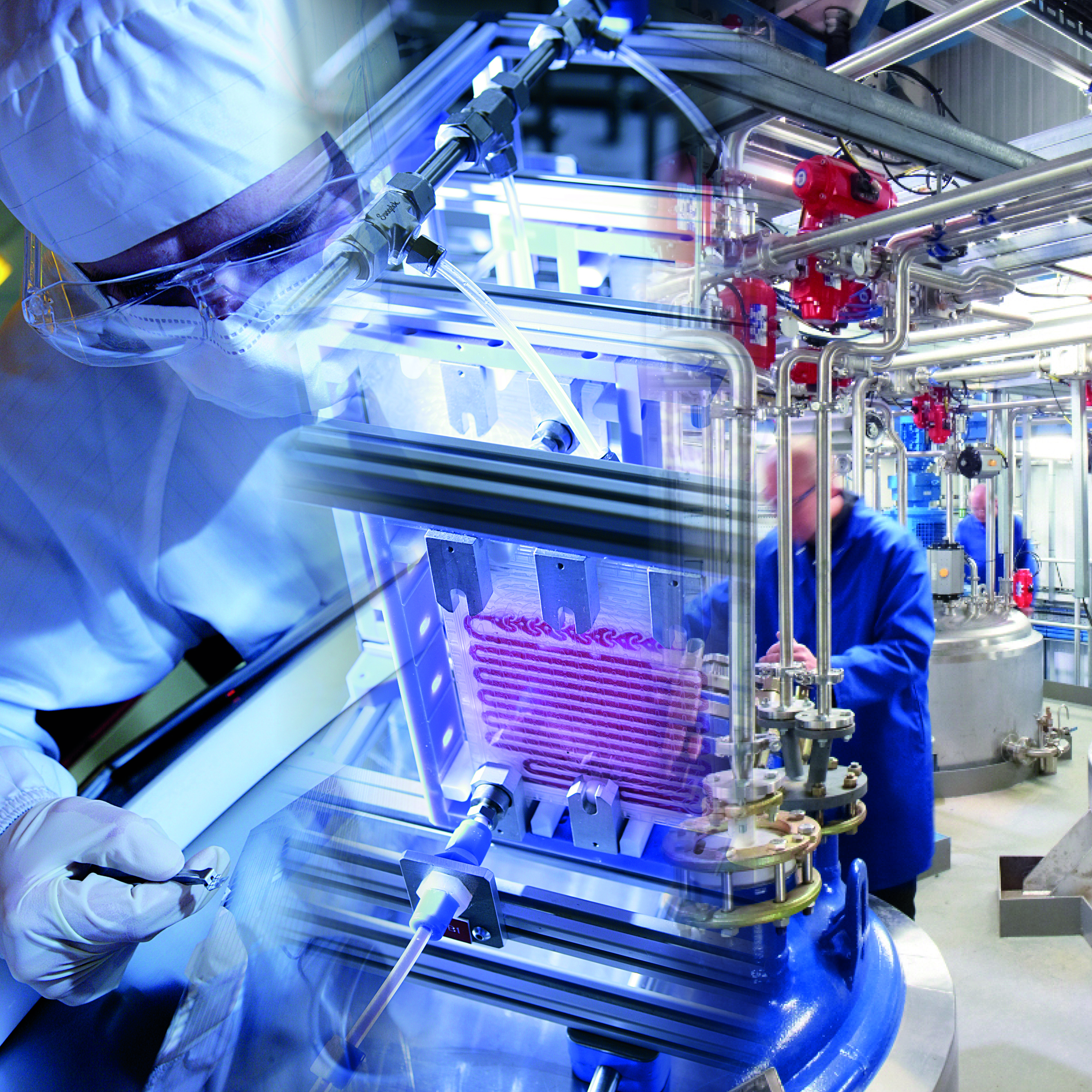
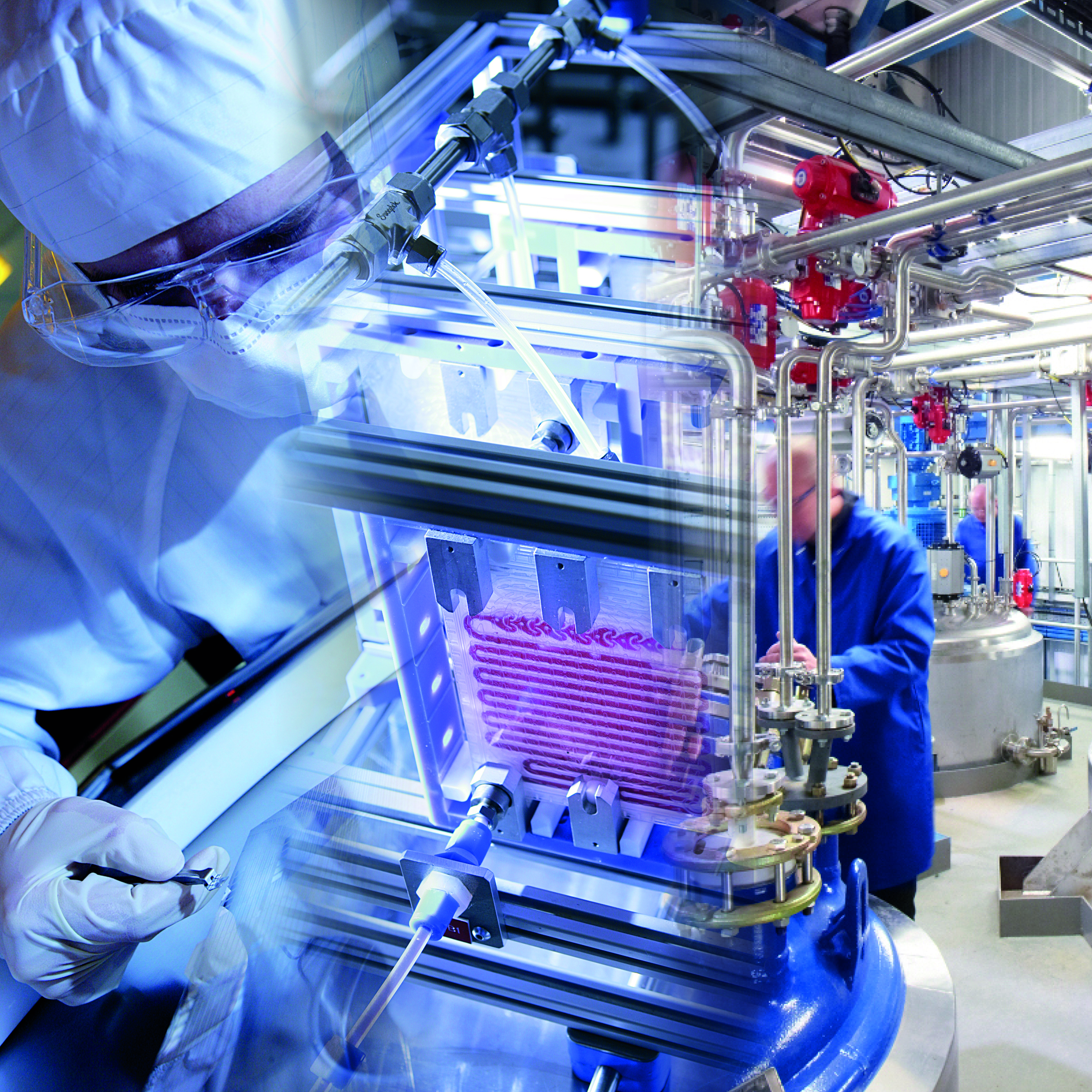
Today marks the launch of the UK Alliance for Sustainable Chemicals and Materials (UK-ASCM), a collaborative initiative uniting industry leaders, academia, and innovation hubs to advance the UK’s sustainable chemicals and materials sector. As demand for sustainable solutions grows across all sectors, the UK-ASCM aims to position the UK at the forefront of global efforts to create environmentally responsible and economically resilient supply chains.
The UK chemicals and materials industry underpins 96% of all manufactured goods, making it indispensable to sectors like healthcare, food, energy, and technology. As a critical enabler of green growth, this sector has the potential to generate over £544 billion annually by 2050, supporting high-quality jobs and bolstering local economies across the UK. The UK-ASCM is committed to harnessing this potential by driving innovation, promoting circular carbon feedstocks, and reshoring production to enhance domestic resilience.
“With the formation of the UK-ASCM, we have a unique opportunity to make a positive impact on the UK’s economic future, our environment, and our communities,” said Dr Jen Vanderhoven, COO of the Biobased and Biodegradable Industries Association (BBIA) “Sustainable chemicals and materials are essential to achieving a net-zero economy and securing our industrial strength in a competitive global market.”
This Alliance, supported by a diverse network of partners, is dedicated to addressing the complex challenges facing the sector, including the need for sustainable feedstocks and a circular economy. Through collaboration and shared expertise, UK-ASCM members will advance solutions that reduce dependency on fossil resources, enhance resource efficiency, and promote sustainable innovation across the industry.
“Sustainable chemicals are fundamental to building a resilient, sustainable society. By bringing together leaders from industry and academia, the UK-ASCM will catalyse the research and development needed to accelerate the transition to sustainable materials,” said Professor Anju Massey-Brooker, Royal Society of Chemistry.
The UK-ASCM represents a broad coalition, including industry giants, cutting-edge research institutions, and innovation centres, each dedicated to reshaping the UK’s chemicals and materials industry for a sustainable future. The Alliance is committed to fostering green growth, supporting regional development, and making sustainable materials accessible to all sectors of society.
As the global economy increasingly turns toward sustainable solutions, the UK chemicals and materials sector has a once-in-a-generation opportunity to lead the way. With strategic investments and collaborative innovation, the UK-ASCM aims to elevate the sector’s role in national and international sustainability efforts.
To achieve this step-change, UK-ASCM urges the UK Government to:
- Devise a long-term roadmap and a stable policy environment to enable investment in research, development, commercialisation and manufacture of sustainable chemicals and materials, to benefit communities across the UK and achieve green economic growth.
- Work with the chemicals and materials sector to ensure the UK landscape supports this growth, from feedstocks to infrastructure and skills, to ensure the development of resilient UK supply chains.
- Develop and implement policies shaping markets to enable the UK’s transition to sustainable chemicals and materials, including the leveraging of public procurement to create demand for sustainable chemicals and products manufactured in the UK
For more information on the UK Alliance for Sustainable Chemicals and Materials, please visit https://bbia.org.uk/bbia/uk-ascm/.
- The UK Alliance for Sustainable Chemicals and Materials (UK-ASCM) brings together leaders from industry, academia, and innovation centers to advance sustainable solutions across the chemicals and materials sectors.
- The UK chemicals sector generated £73.7 billion in revenues in 2022 and employs over 140,000 people in high-quality jobs.
- Sustainable chemicals are integral to achieving net-zero goals and enhancing the resilience of UK supply chains.
Members of The UK Alliance for Sustainable Chemicals and Materials (UK-ASCM) include:
[ad_2]
Source link






Science & Technology
Momentum Builds to Curb AI Development Amid Safety Concerns
Tech leaders advocate for slowing AI progress to mitigate risks and ensure safety.


On Saturday, September 12, 2026, Anthropic CEO Dario Amodei published an essay titled “We Must Pace the Frontier”, calling on the AI industry to deliberately slow the development of its most advanced models. He proposed a three-part plan, starting with giving independent third-party evaluators “employee-like access” to developers’ internal work. Within hours, xAI owner Elon Musk posted “Dario is right,” and OpenAI CEO Sam Altman said he agreed the industry needed to “pace the frontier”, committing OpenAI to welcome independent evaluators. The rare alignment reflects a burgeoning movement within the technology community. The aim is to ensure that AI advancement does not outpace the necessary safety measures that must be in place to protect society. Musk, known for his outspoken concerns regarding AI, has been vocal about the potential existential threats posed by unchecked AI development. His stance is not without precedent. In past years, he has been an advocate for AI regulation, emphasizing the importance of establishing robust safety protocols. Sam Altman shares this concern. As a key figure in AI innovation, Altman’s support for decelerating AI progress highlights the industry’s internal awareness of its own vulnerabilities. Altman has been instrumental in shaping AI discussions, both as a developer and a policymaker. His involvement underscores a critical shift in perspective among those who once championed AI’s limitless potential.
Amodei’s essay warned that AI capabilities had been advancing drastically faster since the summer, and argued that buying even an extra year or two to work on alignment could greatly reduce the risk of something going seriously wrong. As CEO of Anthropic, Amodei’s insights into AI’s capabilities are profound. He has long advocated for responsible AI development, emphasizing research into AI safety and alignment. His company, Anthropic, is at the forefront of AI safety research, making his voice particularly influential. Amodei’s concerns are grounded in the belief that AI systems need to be designed with alignment and transparency as core principles. The consensus among these leaders is clear. The pace of AI development must be moderated to prevent potential societal disruptions. The public discourse around AI safety has evolved significantly over the past few years. Initially, concerns were often dismissed as speculative or alarmist. However, as AI systems become more integrated into daily life, their impact is undeniable. From autonomous vehicles to intelligent personal assistants, AI technologies influence countless aspects of modern existence. The rapid integration has outpaced regulatory frameworks, leaving gaps that could potentially be exploited.
This movement to slow AI development is gaining traction within the tech community. It reflects a deeper understanding of the potential risks and ethical considerations that come with advanced AI systems. Industry leaders are increasingly aware of their responsibility to mitigate these risks. There is a growing consensus that more comprehensive safety measures and regulatory oversight are necessary. The call for a slowdown is not a demand to halt innovation. Rather, it is a plea for a more deliberate approach to AI development. The goal is to establish a regulatory framework that prioritizes safety, ethical considerations, and long-term societal impact. This approach seeks to ensure that AI technologies are developed responsibly and with foresight. The motivation behind this push is multifaceted. At its core is the desire to prevent unintended consequences that could arise from unchecked AI advancement. These include potential job displacement, privacy concerns, and the risk of AI systems being used for malicious purposes. The tech industry is increasingly aware that the societal implications of AI are vast and complex. There is a recognition that addressing these challenges requires collaboration across sectors and disciplines.
The momentum to slow AI development also reflects a shift in how technology leaders view their role in society. There is a growing acknowledgment that technological innovation must be balanced with ethical responsibility. This recognition is driving the call for more stringent safety protocols and regulatory oversight. As the debate around AI continues, the voices advocating for caution are becoming more prominent. The movement is gaining momentum, supported by influential figures and organizations committed to ensuring that AI development proceeds safely and responsibly. The challenge now is translating this momentum into actionable policies and frameworks. Governments and regulatory bodies must work closely with industry leaders to develop comprehensive guidelines that address the unique challenges posed by AI. This collaboration is essential to fostering innovation while safeguarding societal interests. The path forward requires a collective effort to balance progress with prudence. As AI continues to evolve, the need for thoughtful and responsible development becomes increasingly critical. The calls to slow down AI development are a testament to the industry’s commitment to navigating this complex terrain with care.
The journey ahead is not without challenges. Implementing effective regulatory measures will require cooperation and consensus among diverse stakeholders. However, the growing momentum to address AI safety concerns offers hope for a future where technological advancement is aligned with societal well-being. As industry leaders and policymakers work together, there is potential to shape a future where AI technologies enhance, rather than disrupt, the fabric of society. The commitment to responsible AI development is key to ensuring that AI technologies are harnessed for the greater good. This forward-thinking approach will be crucial in defining the next chapter of AI innovation. The momentum to slow down AI development is more than a precautionary measure. It is a strategic decision to prioritize safety, ethics, and long-term impact. As the conversation around AI continues to evolve, the focus on responsible development will remain at the forefront. The future of AI depends on the choices made today. By embracing a more measured approach, the tech community can pave the way for a future where AI serves humanity’s best interests.
Science & Technology
Quantum Computing Breakthroughs: Disrupting Industries with Oxford’s Innovations
A recent breakthrough in quantum computing at the University of Oxford promises to disrupt multiple industries by significantly enhancing computational capabilities. Explore the technological implications and potential disruptions poised to redefine sectors.

In May 2026, the University of Oxford announced a significant breakthrough in the field of quantum computing, unveiling an advanced error correction algorithm that has the potential to transform computational capabilities. This development is not just a scientific triumph; it heralds a new era of technological disruption across multiple industries. Quantum computing, long anticipated as the next frontier in technology, promises to solve complex problems beyond the reach of classical computers, and Oxford’s latest advancement brings this closer to reality.
At the core of this breakthrough is the enhancement in quantum error correction, a critical component that addresses the inherent instability of qubits, which are the fundamental units of quantum information. Traditional computers use bits of 0s and 1s, but quantum computers operate on qubits, which can exist in multiple states simultaneously. This superposition allows quantum computers to process information exponentially faster than classical computers. However, qubits are notoriously prone to errors due to environmental noise and operational inaccuracies. Oxford’s new algorithm significantly improves the error correction process, maintaining qubit stability longer and allowing extended computational tasks to be performed accurately.
The implications of this are profound. Industries ranging from pharmaceuticals to finance stand on the cusp of disruption as quantum computing offers the ability to model complex molecular structures, optimize large-scale financial portfolios, and even revolutionize artificial intelligence algorithms. In pharmaceuticals, for example, quantum computing can expedite drug discovery by accurately simulating molecular interactions, potentially reducing the time and cost associated with bringing new drugs to market. Similarly, in finance, quantum algorithms can optimize trading strategies and risk management with a precision unattainable by current technologies.
Moreover, the ripple effects of such a leap in computational power extend to data encryption and cybersecurity. Quantum computers possess the potential to decrypt classical encryption methods, prompting a race for quantum-resistant cryptography. This necessitates a paradigm shift in how we secure digital information, affecting every sector that relies on data security.
Despite the tremendous promise, the transition to quantum computing is not without its challenges. The infrastructure required to support quantum technologies is expensive and complex. There is also a significant skills gap; experts in quantum computing are scarce, and training a new generation of scientists and engineers is imperative. Furthermore, ethical considerations regarding the power of quantum computing must be addressed, particularly in terms of privacy and security.
Looking forward, as quantum computing continues to evolve, industries will need to adapt swiftly to harness its capabilities. Early adopters who invest in quantum technologies and develop quantum-ready strategies will likely dominate in the coming decade. As Oxford’s breakthrough demonstrates, the race is on to fully realize the potential of quantum computing and redefine the boundaries of what is technologically possible.
Science & Technology
Apple’s AI Innovations: Shaping the Competitive Landscape in 2026
Apple’s latest advancements in artificial intelligence are setting the stage for a competitive showdown with other tech giants. This article explores how Apple’s AI strategy is positioning the company in the fast-evolving tech landscape.

In the bustling realm of technology, few companies command as much attention as Apple. In 2026, the Silicon Valley titan has once again captured the tech world’s gaze with its latest advances in artificial intelligence. As Apple unveils a suite of AI-driven innovations, the competitive landscape is poised for a seismic shift.
Apple’s strategic focus on AI is not merely about introducing new features but is a calculated move to redefine user experiences while maintaining its staunch advocacy for privacy. At the heart of Apple’s AI initiatives is the promise of personalization—an AI that learns and adapts to the user’s preferences, offering seamless interaction across its range of devices. This focus is especially pertinent in an era where user data is a hot commodity, and privacy concerns are at an all-time high.
What sets Apple apart in the AI race is its dual emphasis on innovation and privacy. While competitors like Google and Amazon have long been heralded for their AI prowess, often prioritizing expansive data collection to fuel their AI engines, Apple has carved out a niche by leveraging on-device processing. This approach not only mitigates privacy risks but also enhances real-time responsiveness, a crucial factor in user satisfaction.
The competitive implications of Apple’s AI advancements are profound. Google’s AI, renowned for its search and recommendation algorithms, faces a formidable challenger in Apple’s ecosystem-centric approach. Meanwhile, Amazon’s Alexa, which dominates the smart assistant market, must contend with Apple’s Siri, now equipped with enhanced contextual understanding and predictive capabilities.
Microsoft, another major player, has been making strides with its integration of AI in cloud services and productivity tools. However, Apple’s holistic approach—integrating AI across hardware, software, and services—presents a cohesive strategy that is difficult to replicate. This integration not only ensures a seamless user experience but also reinforces brand loyalty, a cornerstone of Apple’s business model.
As AI continues to evolve, the stakes in the tech industry are higher than ever. Apple’s innovations are not just about keeping pace but are strategically designed to place the company at the forefront of the AI revolution. In doing so, Apple is not only safeguarding its market position but is also setting new benchmarks in how technology can enhance and secure our digital lives.
The road ahead will undoubtedly see further advancements and competition, but Apple’s current trajectory suggests it is well-positioned to lead in the AI domain. By prioritizing user-centric design and privacy, Apple is not just participating in the AI race; it is setting the pace.
-
 Business & Finance2 years ago
Xella achieves significant progress in CO₂ emissions reduction, circular economy, and occupational safety
-

 Entertainment & Arts5 months ago
Drake’s ‘Iceman’: A Streaming Chart-Busting Success Story
-
 Environment & Nature1 year ago
SK tes Launches New Circular IT Facility in Shannon, Expanding Ireland’s Role in Global Sustainable Tech Services
-

 Science & Technology5 months ago
Apple’s AI Innovations: Shaping the Competitive Landscape in 2026
-

 Business & Finance5 months ago
AI Revolutionizes Cryptocurrency Trading with Real-Time Analysis
-

 Business & Finance5 months ago
The Rise of Green Finance in Europe: Challenges and Limitations
-

 Entertainment & Arts5 months ago
The Cinematic Legacy of Michael Jackson: A Biopic Unveiled
-

 Environment & Nature5 months ago
Scotland’s Rewilding Revolution: Ecological Benefits and Global Influence