
Science & Technology
Nexaro presents the new Nexaro NR 1700: Significant improvements in efficiency and expanded uses for more complex requirements


[ad_1]

Wuppertal, February 2025 – Following the launch of the world’s first compact robot vacuum cleaner designed for commercial building cleaning, the Nexaro NR 1500, Wuppertal-based technology start-up Nexaro is now expanding its product range with another innovative vacuum robot: the Nexaro NR 1700. This new model has been specially developed to meet the demands and offer even more efficient cleaning of larger, more complex spaces in a professional environment. The development of the new intelligent robot vacuum cleaner is based on Nexaro’s close cooperation with leading national and international cleaning companies. Nexaro is taking the next step to ensure the future viability of the commercial building cleaning market.
The perfect asset to Nexaro’s portfolio: intelligence, precision and flexibility in practice
“The Nexaro NR 1700 is the ideal solution for large-scale and complex applications such as lobbies, showrooms and other complex room structures in hotels, office buildings or retail properties,” explains Dr. Henning Hayn, General Manager of Nexaro. “It therefore meets the highest requirements in commercial cleaning and at the same time ideally complements the Nexaro NR 1500, which remains the ideal solution for smaller areas and specific applications such as hotel room cleaning.”
Equipped with the latest sensor technology, the Nexaro NR 1700 uses its long-range, high-precision laser distance sensor to navigate areas of up to 1,000 square meters. The autonomous robot vacuum cleaner adapts effortlessly to different surface structures and thoroughly and efficiently cleans a wide variety of carpets and hard floors.
The new custom-made Nexaro NR 1700 docking station makes it easier to precisely position the device thanks to built-in optical aids and ensures a reliable power supply so that the robot is always ready for use. An illuminated on/off switch informs cleaning staff about the status of the docking station at a glance.
Other hardware highlights include a rugged case with reinforced dust container cover for greater stability and patented auxiliary wheels for electrostatic discharge. The customized side cleaning brush is also designed to increase durability. The newly integrated bevel behind the bumper also enables an even smoother and closer clean around objects.
Intelligent software to meet today’s demands
The Nexaro HUB, Nexaro’s digital platform, has been enhanced with innovative features such as automatic, AI-based creation of no-go zones and live tracking of the robot’s position during mapping. These new features increase user-friendliness and seamless integration into existing work processes while ensuring maximum efficiency.
Both the Nexaro NR 1700 and the Nexaro NR 1500 are compatible with the Nexaro HUB and can be operated as a fleet within one facility. Nexaro thus offers a fully networked system solution that is optimally tailored to the individual needs of customers.
Market launch and pricing
The Nexaro NR 1700 will be available from February 5, 2025 at a cost of 2,990.90 euros. The price includes a 36-month Pro.Multi license for the Nexaro HUB. Delivery will begin in April 2025.
Cobotic: humans at the heart
Like its predecessor, the Nexaro NR 1700 is based on the cobotic approach: the close collaboration between humans and the latest autonomous robot technology. The aim of Nexaro’s business model is to relieve the burden on cleaning professionals by eliminating strenuous work such as dry cleaning of floors – especially during off-peak times. This not only increases the attractiveness of the job profile, but also enables employees to concentrate on more demanding tasks. Resulting benefits for companies include increased efficiency and quality while simultaneously reducing costs.
With the Nexaro NR 1500, the Wuppertal technology start-up has set a benchmark for the commercial building cleaning industry in 2024: as the world’s first compact robot vacuum cleaner, it meets the latest international safety standard IEC 63327 for commercial cleaning robots. This was confirmed by the independent testing center TÜV SÜD. The system was also awarded the renowned GS test mark by TÜV SÜD.
About
Nexaro Nexaro is a start-up from Wuppertal and part of the Vorwerk Group, which has been synonymous with the highest quality since 1883 – and is now a globally active group with 3.2 billion in sales and 9,127 employees in more than 60 countries (as of: Annual Report for 2023). As an independent company within the Vorwerk Group, Nexaro benefits from mutual knowledge and technology transfer and has the necessary freedom to develop the business model and to become a driving force in the cleaning industry with the innovative Nexaro cobotic approach. Intensive research and development work in addition to collaborating with leading companies in the industry has enabled the autonomous robot vacuum cleaner, the Nexaro NR 1500, and the associated Nexaro HUB software solution to be developed. As well as the focus on ensuring the highest quality, other priorities for Nexaro are the topics of data security and sustainability.
Your media contact
Nexaro
André Hartmann
Head of Marketing
Tel.: +49 202 564 4831
Email: [email protected]
[ad_2]
Source link






Science & Technology
Breakthroughs and Challenges: The Latest in Scientific Advancements
A roundup of the latest scientific advancements, exploring breakthroughs and the challenges that lie ahead.

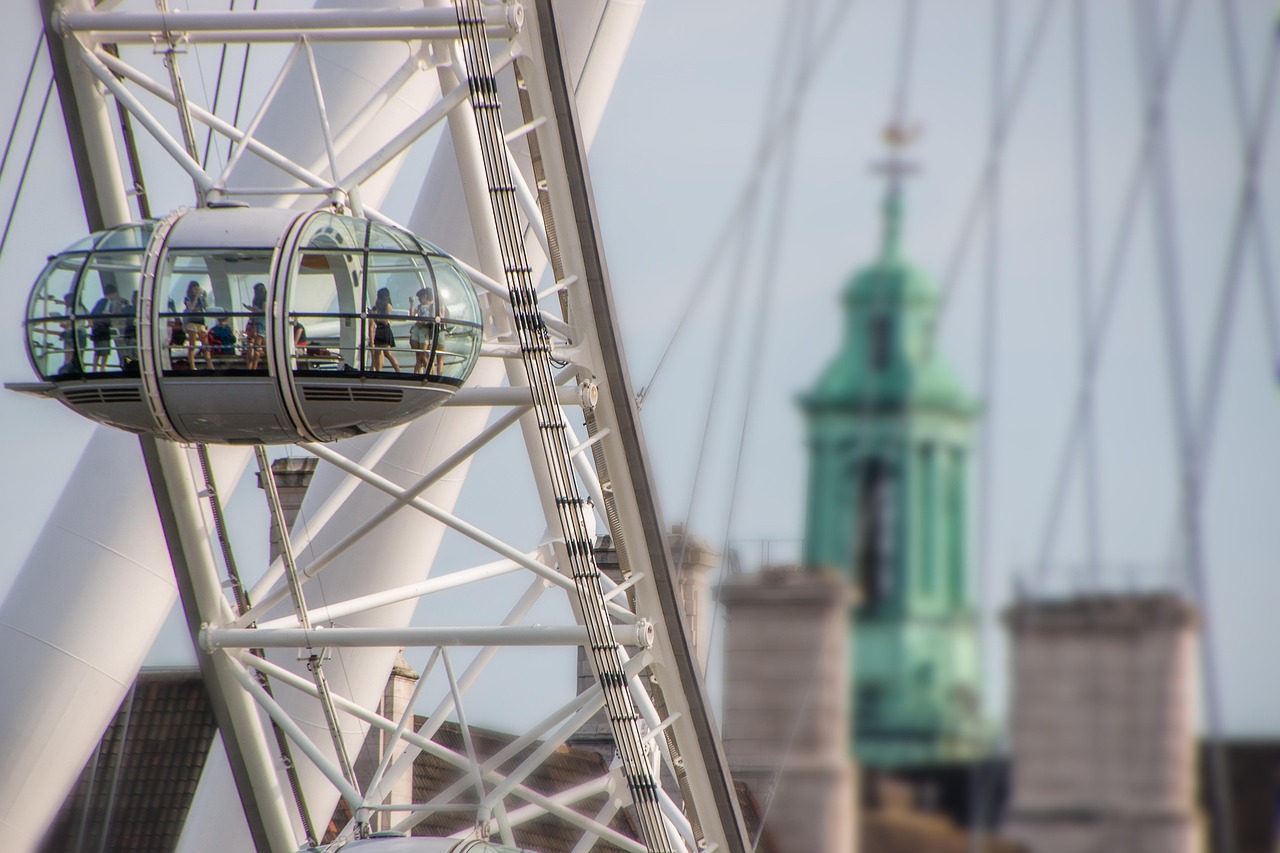
In a notable development, Dr. Emily Carter, a leading researcher at the National Institute of Health, announced a significant breakthrough in the field of gene therapy. On September 10, 2026, she revealed that her team successfully edited genes in living organisms to eliminate hereditary diseases. This advancement holds the potential to revolutionize medical treatment, offering hope to millions suffering from genetic disorders. However, it also raises ethical concerns about the extent of human genetic modification and its long-term impacts.
Simultaneously, the European Space Agency (ESA) has made strides in space exploration with the launch of its latest satellite, Euclid. Launched on September 8, 2026, Euclid aims to map the universe’s dark matter and dark energy, key components that constitute most of the cosmos. This mission could unravel the mysteries of the universe’s expansion and provide insights into the fundamental nature of existence. The ESA emphasizes the importance of international collaboration in this endeavor, as understanding dark matter and energy requires global scientific cooperation.
In the realm of renewable energy, SolarTech Innovations reported a breakthrough in solar panel efficiency on September 12, 2026. Their new technology purportedly increases the energy conversion rate by 25%, potentially transforming the solar energy industry. This advancement could accelerate the shift towards sustainable energy sources, reducing reliance on fossil fuels. However, questions remain about the scalability of this technology and its economic viability for widespread adoption.
Meanwhile, the agricultural sector witnessed a milestone with AgriBio’s development of drought-resistant crops. Announced on September 7, 2026, these genetically engineered plants could enhance food security in regions prone to extreme weather conditions. The company states that these crops can withstand prolonged periods without water, ensuring stable yields. Critics, however, caution about the ecological implications and the potential for unintended consequences on biodiversity.
Lastly, the tech industry is abuzz with the unveiling of QuantumNext’s quantum computing system. Revealed on September 11, 2026, this system reportedly performs calculations at unprecedented speeds, paving the way for advancements in fields like cryptography and complex data analysis. While the potential applications are vast, experts debate the readiness of existing infrastructure to support such technology and the security challenges it may pose.
These scientific advancements highlight the dynamic nature of innovation and the diverse challenges accompanying progress. Each breakthrough presents a spectrum of opportunities and ethical dilemmas that require careful consideration. As these developments unfold, stakeholders from various sectors must engage in dialogue to navigate the complexities they entail.
Looking forward, the scientific community faces the task of addressing the practical and ethical questions these innovations raise. Continued research, open discourse, and policy-making will be crucial in harnessing the benefits of these advancements while mitigating their risks. The next few months will likely see increased scrutiny and discussion as these technologies move from the laboratory to real-world applications.
Science & Technology
Momentum Builds to Curb AI Development Amid Safety Concerns
Tech leaders advocate for slowing AI progress to mitigate risks and ensure safety.

On September 13, 2026, Elon Musk made headlines once more, but this time it wasn’t about electric cars or space exploration. Musk, along with OpenAI co-founder Sam Altman and Anthropic CEO Dario Amodei, has taken a stand urging for a slowdown in the rapid development of artificial intelligence. The trio’s call to action reflects a burgeoning movement within the technology community. The aim is to ensure that AI advancement does not outpace the necessary safety measures that must be in place to protect society. Musk, known for his outspoken concerns regarding AI, has been vocal about the potential existential threats posed by unchecked AI development. His stance is not without precedent. In past years, he has been an advocate for AI regulation, emphasizing the importance of establishing robust safety protocols. Sam Altman shares this concern. As a key figure in AI innovation, Altman’s support for decelerating AI progress highlights the industry’s internal awareness of its own vulnerabilities. Altman has been instrumental in shaping AI discussions, both as a developer and a policymaker. His involvement underscores a critical shift in perspective among those who once championed AI’s limitless potential.
Dario Amodei’s call for a slowdown adds another layer of urgency. As CEO of Anthropic, Amodei’s insights into AI’s capabilities are profound. He has long advocated for responsible AI development, emphasizing research into AI safety and alignment. His company, Anthropic, is at the forefront of AI safety research, making his voice particularly influential. Amodei’s concerns are grounded in the belief that AI systems need to be designed with alignment and transparency as core principles. The consensus among these leaders is clear. The pace of AI development must be moderated to prevent potential societal disruptions. The public discourse around AI safety has evolved significantly over the past few years. Initially, concerns were often dismissed as speculative or alarmist. However, as AI systems become more integrated into daily life, their impact is undeniable. From autonomous vehicles to intelligent personal assistants, AI technologies influence countless aspects of modern existence. The rapid integration has outpaced regulatory frameworks, leaving gaps that could potentially be exploited.
This movement to slow AI development is gaining traction within the tech community. It reflects a deeper understanding of the potential risks and ethical considerations that come with advanced AI systems. Industry leaders are increasingly aware of their responsibility to mitigate these risks. There is a growing consensus that more comprehensive safety measures and regulatory oversight are necessary. The call for a slowdown is not a demand to halt innovation. Rather, it is a plea for a more deliberate approach to AI development. The goal is to establish a regulatory framework that prioritizes safety, ethical considerations, and long-term societal impact. This approach seeks to ensure that AI technologies are developed responsibly and with foresight. The motivation behind this push is multifaceted. At its core is the desire to prevent unintended consequences that could arise from unchecked AI advancement. These include potential job displacement, privacy concerns, and the risk of AI systems being used for malicious purposes. The tech industry is increasingly aware that the societal implications of AI are vast and complex. There is a recognition that addressing these challenges requires collaboration across sectors and disciplines.
The momentum to slow AI development also reflects a shift in how technology leaders view their role in society. There is a growing acknowledgment that technological innovation must be balanced with ethical responsibility. This recognition is driving the call for more stringent safety protocols and regulatory oversight. As the debate around AI continues, the voices advocating for caution are becoming more prominent. The movement is gaining momentum, supported by influential figures and organizations committed to ensuring that AI development proceeds safely and responsibly. The challenge now is translating this momentum into actionable policies and frameworks. Governments and regulatory bodies must work closely with industry leaders to develop comprehensive guidelines that address the unique challenges posed by AI. This collaboration is essential to fostering innovation while safeguarding societal interests. The path forward requires a collective effort to balance progress with prudence. As AI continues to evolve, the need for thoughtful and responsible development becomes increasingly critical. The calls to slow down AI development are a testament to the industry’s commitment to navigating this complex terrain with care.
The journey ahead is not without challenges. Implementing effective regulatory measures will require cooperation and consensus among diverse stakeholders. However, the growing momentum to address AI safety concerns offers hope for a future where technological advancement is aligned with societal well-being. As industry leaders and policymakers work together, there is potential to shape a future where AI technologies enhance, rather than disrupt, the fabric of society. The commitment to responsible AI development is key to ensuring that AI technologies are harnessed for the greater good. This forward-thinking approach will be crucial in defining the next chapter of AI innovation. The momentum to slow down AI development is more than a precautionary measure. It is a strategic decision to prioritize safety, ethics, and long-term impact. As the conversation around AI continues to evolve, the focus on responsible development will remain at the forefront. The future of AI depends on the choices made today. By embracing a more measured approach, the tech community can pave the way for a future where AI serves humanity’s best interests.
Science & Technology
Quantum Computing Breakthrough: Data Security Implications
MIT’s new quantum algorithm could revolutionize data processing, posing significant challenges for current cryptographic systems. This article explores the implications for data security and potential solutions to counteract quantum threats.

The recent breakthrough in quantum computing by researchers at MIT marks a pivotal moment in the field of data security. On August 19, 2026, Nature published the details of a new quantum algorithm capable of processing data at speeds previously unimaginable. While this innovation holds enormous potential for advancing machine learning and other computational fields, it simultaneously presents a formidable challenge to the current cryptographic systems relied upon to safeguard sensitive information.
At the core of contemporary data security is the reliance on encryption techniques that depend on the complexity of certain mathematical problems, such as the factoring of large numbers, which are currently infeasible for classical computers to solve within a practical timeframe. However, quantum computers, with their ability to perform calculations exponentially faster than traditional machines, threaten to render these encryption methods obsolete. This development could have profound implications for sectors that prioritize data security, including finance, healthcare, and government, where sensitive data is at risk of exposure.
The immediate concern for cybersecurity experts is the potential for quantum computers to crack widely used encryption protocols, such as RSA and ECC, which form the backbone of secure internet communications. The computational power unleashed by quantum algorithms could theoretically decrypt encrypted data in a fraction of the time required by classical computers, leaving digital communications vulnerable to interception and exploitation.
In response to this looming threat, researchers and industry experts are actively exploring the development of quantum-resistant algorithms. These algorithms are designed to withstand the capabilities of quantum computing, ensuring the confidentiality and integrity of data even in a post-quantum world. Efforts in this direction include the study of lattice-based cryptography, hash-based signatures, and multivariate polynomial equations as potential foundations for secure encryption systems.
The urgency to develop and implement quantum-resistant cryptography is underscored by the rapid pace of advancements in quantum technology. Tech companies, governments, and academic institutions are investing heavily in research to safeguard their data infrastructures against quantum threats. The transition to quantum-resistant systems, however, is not without its challenges. It requires a comprehensive overhaul of existing cryptographic frameworks and widespread adoption across industries, a process that demands both time and resources.
Despite these challenges, the potential benefits of quantum computing in fields such as artificial intelligence, pharmaceuticals, and materials science cannot be overlooked. The same capabilities that pose a threat to data security also offer the promise of unprecedented advancements in computational power, enabling breakthroughs that were previously beyond reach.
As the world stands on the brink of a quantum revolution, the dual-edged nature of this technological leap is clear. While the security of our digital world faces new threats, the opportunity for innovation and progress is equally profound. The path forward will require a concerted effort to balance the risks and rewards of quantum computing, ensuring that the transformative potential of this technology is harnessed responsibly and securely.
In the coming years, as quantum technologies continue to evolve, the focus will be on developing robust standards for quantum-resistant cryptography and fostering collaboration between academia, industry, and government to navigate this new frontier. The race to secure our digital future in the face of quantum capabilities is not just a technical challenge but a strategic imperative that will shape the landscape of cybersecurity for decades to come.
-

 Entertainment & Arts5 months ago
Drake’s ‘Iceman’: A Streaming Chart-Busting Success Story
-
 Business & Finance2 years ago
Xella achieves significant progress in CO₂ emissions reduction, circular economy, and occupational safety
-
 Environment & Nature1 year ago
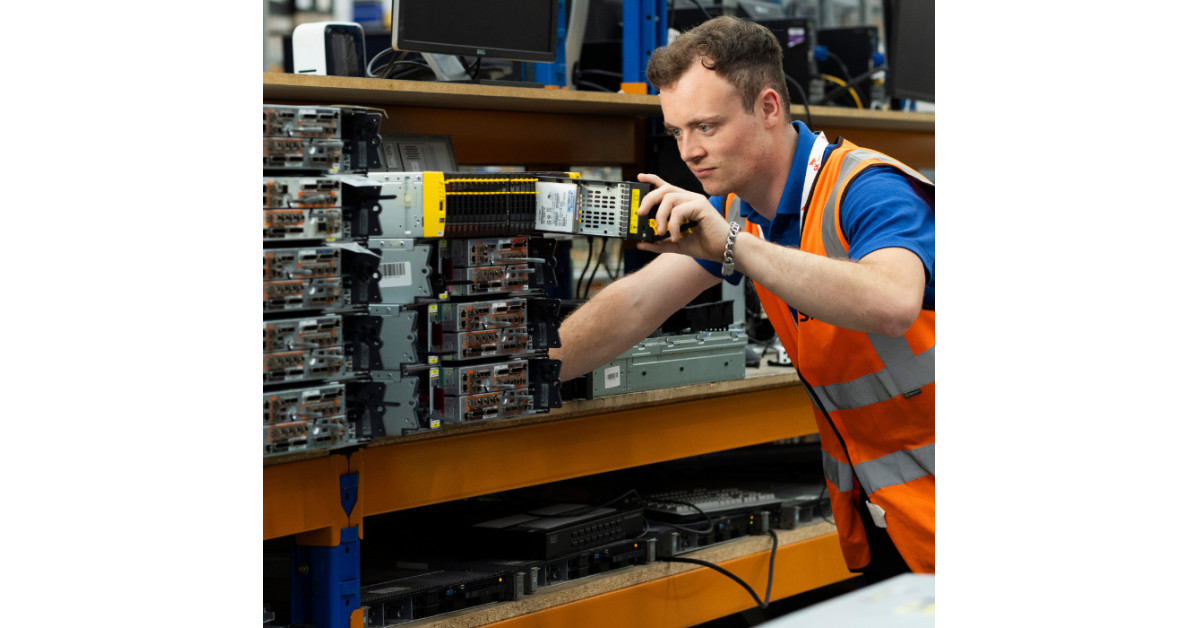
SK tes Launches New Circular IT Facility in Shannon, Expanding Ireland’s Role in Global Sustainable Tech Services
-

 Science & Technology5 months ago
Apple’s AI Innovations: Shaping the Competitive Landscape in 2026
-

 Business & Finance5 months ago
AI Revolutionizes Cryptocurrency Trading with Real-Time Analysis
-

 Business & Finance5 months ago
The Rise of Green Finance in Europe: Challenges and Limitations
-

 Entertainment & Arts5 months ago
The Cinematic Legacy of Michael Jackson: A Biopic Unveiled
-
 Business & Finance1 year ago
Apple Appeals €500 Million EU Antitrust Fine: A High-Stakes Battle Over App Store Rules