
Business & Finance
ZEELOOL: Are Cat Eye Glasses Good for Oval Face?


[ad_1]

While you choose a glasses, it is important to consider the importance of face shapes for glasses. This article will look at whether cateye glasses look good on oval faces and how to choose the best glasses for oval faces to show what’s great about having an oval face.
The oval face is the one of the most balanced and adaptable face shapes. People with oval faces can wear a variety of eyeglass frames. Cat-eye frames reflect the temperament and taste of women, including the likes of oval-faced ladies. You will find more suitable clothing and scenes to wear them.
Are cat-eye glasses suitable for oval faces?
Yes, cat-eye glasses are very suitable for oval faces.
The charm of cat-eye frames:
Cat-eye frames are suitable for daily wear, as well as matching with evening wear or special occasions, showing the elegance and charm of women.
Because they draw attention to the cheeks, cat-eye glasses which cxcan make oval faces look more three-dimensional. A big angle in the frame stands out against the soft, feminine beauty of an oval face. So, the oval face looks more natural, classy, and well-balanced.
Choose the right cat-eye glasses:
Choosing cat-eye glasses with the right size is important for people with oval faces, and avoiding frames that are too big or too large, which will disrupt the balance of the oval face. In the zeelool.com online store, you can find a wider selection of glasses for oval face shapes, including cat eye glasses, rectangle glasses, browline glasses, round glasses, geometric glasses.
Colour and design:
Pick cat-eye glasses in a color and style that goes well with your skin tone. Most people can wear classic black, but metallic colors, leopard prints, and patterned styles can make you stand out.
When choosing cat-eye glasses, people with oval faces should pay more attention to the frame size and color, cat-eye angle, etc., so as to reflect their confidence and personality, and it can also become the highlight of their clothing. Shop at ZEELOOL to find the perfect cat-eye glasses which will show off your best style.
[ad_2]
Source link






Business & Finance
EU Cryptocurrency Regulations: A New Era for Market Transparency and Investor Confidence
The European Union’s new cryptocurrency regulations promise to enhance market transparency and bolster investor confidence, potentially setting a global standard for regulatory practices.

In September 2026, the European Union unveiled a comprehensive regulatory framework for cryptocurrencies, marking a pivotal moment in the evolution of digital finance. These new regulations are designed to foster market transparency and enhance investor confidence, setting a precedent that could influence global cryptocurrency policies. The framework, announced by the European Commission, aims to address the volatility and unpredictability that have long plagued the cryptocurrency markets. By implementing stringent disclosure requirements and robust consumer protection measures, the EU seeks to create a safer and more stable environment for both seasoned investors and new entrants.
At the heart of the new regulations are provisions that require cryptocurrency exchanges and wallet providers to adhere to strict transparency standards. This includes mandatory reporting of transaction data and enhanced identity verification processes, which aim to curb illegal activities such as money laundering and fraud. According to the European Commissioner for Financial Services, Mairead McGuinness, these measures will not only protect investors but also bolster the legitimacy of the cryptocurrency market as a whole.
The impact on the market has been immediate and largely positive. Following the announcement, several major cryptocurrencies experienced a surge in value, reflecting increased confidence in the regulated environment. Industry leaders, including Binance CEO Changpeng Zhao, have publicly supported the EU’s approach, highlighting its potential to attract institutional investors who have been hesitant to engage with unregulated markets.
Moreover, the EU’s proactive stance on regulation is likely to influence other regions to adopt similar frameworks. As the global financial community grapples with the challenges and opportunities presented by digital currencies, the EU’s model offers a blueprint for balancing innovation with security. Experts suggest that this could lead to a harmonized set of international standards, facilitating cross-border cryptocurrency transactions and fostering global economic integration.
Critics, however, caution against over-regulation stifling innovation within the cryptocurrency space. Yet, proponents argue that a well-regulated market can actually spur technological advancement by providing clear guidelines within which innovation can thrive. By demystifying the legal landscape, the EU’s regulations could encourage more startups to develop blockchain-based solutions under a stable and predictable legal framework.
Looking ahead, the EU’s regulatory framework is poised to redefine the cryptocurrency landscape, with potential ripple effects across the globe. As other jurisdictions observe the EU’s progress, they may be inspired to implement similar measures, ultimately contributing to a more transparent and secure global financial system. In this new era, the balance between regulation and innovation will be key to unlocking the full potential of cryptocurrencies.
Business & Finance
EU’s Regulatory Shift: A Boon for Small Tech Firms
New EU regulations targeting tech monopolies promise to level the playing field, offering unprecedented opportunities for smaller tech companies to thrive. Explore how these changes could reshape the industry.

In a decisive move aimed at curbing the dominance of technology giants, the European Union has implemented a suite of new regulations designed to foster competition and innovation within the industry. Announced by the European Commission on May 21, 2026, these measures are part of a broader strategy to dismantle monopolistic practices and empower smaller players in the tech sector. The Financial Times reported that this regulatory shift could herald a new era for startups and small businesses, offering them a unique opportunity to compete on a more level playing field.
For years, the EU has tussled with tech behemoths over issues ranging from data privacy to market monopolies. These latest regulations, however, mark a significant escalation in the EU’s efforts to promote fair competition. By targeting the monopolistic practices that have long stifled smaller competitors, the EU aims to dismantle barriers that have historically protected the interests of large corporations. This shift is timely, as innovation increasingly emerges from smaller tech companies that often lack the resources to challenge established giants.
The current regulatory framework introduces stringent measures that impose limits on data sharing, promote transparency in algorithms, and mandate interoperability between platforms. These measures, as detailed by the European Commission, aim to dismantle the walls that have allowed tech giants to corner markets and stifle competition. Smaller firms, often more agile and innovative, stand to benefit immensely. By ensuring that platforms cannot unfairly prioritize their own services, these regulations open doors for startups to enter markets previously dominated by a few large players.
Market analysts have noted that these changes could lead to a renaissance in tech innovation across Europe. Smaller companies, unburdened by the constraints of battling entrenched incumbents, are likely to experiment with new technologies and business models. For instance, the requirement for interoperability could lead to the development of new collaborative platforms that challenge existing ecosystems. As a result, consumers may see a surge in diverse product offerings tailored to specific needs, driven by smaller companies eager to carve out niche markets.
The response from tech giants has been predictably cautious. While some have expressed willingness to comply, others have raised concerns about the potential for stifling innovation and increasing operational costs. However, proponents of the regulations argue that true innovation thrives in competitive environments. By breaking the hold of tech monopolies, the EU is not only fostering a fairer market but also driving the industry towards a more dynamic and responsive future.
Looking ahead, these regulatory changes could catalyze a shift in the global tech landscape. As smaller companies gain traction and challenge the status quo, the ripple effects may extend beyond Europe, influencing regulatory approaches worldwide. This development promises to reshape the dynamics of the tech industry, offering a glimpse of a future where innovation is driven by diversity and competition, rather than the dominance of a select few.
Business & Finance
AI Revolutionizes Cryptocurrency Trading with Real-Time Analysis
AI algorithms are transforming cryptocurrency trading by offering real-time analysis and unprecedented efficiency. This article explores the technological advancements and their impact on the crypto market.

Artificial intelligence is rapidly reshaping the cryptocurrency trading landscape, a fact made clear by recent reports from Bloomberg. The integration of AI algorithms into trading strategies is providing unprecedented real-time analysis and efficiency, a development that is attracting significant attention from investors eager to capitalize on the volatile yet lucrative crypto markets.
In May 2026, Bloomberg highlighted how AI technologies are enabling traders to process vast amounts of market data at speeds unattainable by human analysts. This capability allows for the detection of patterns and trends that might otherwise go unnoticed, offering a competitive edge to those who harness these tools. The real-time nature of these analyses means traders can make decisions based on the most current market conditions, enhancing the potential for profitable trades.
The application of AI in cryptocurrency trading is not merely a theoretical concept but a practical reality transforming investment strategies. For instance, hedge funds and institutional investors are increasingly relying on machine learning models to predict price movements and optimize trading algorithms. These models can analyze a myriad of factors, from market sentiment to historical price data, adjusting trading strategies dynamically in response to new information.
AI’s role in enhancing trading efficiency is particularly crucial in the cryptocurrency markets, where volatility is a constant challenge. The ability to swiftly process and react to market changes can mean the difference between a lucrative trade and a significant loss. This agility is driving interest from tech-savvy investors who are keen to leverage innovation for financial gain.
However, the rise of AI in cryptocurrency trading is not without its challenges. Regulators are grappling with the implications of these technologies, as traditional oversight mechanisms struggle to keep pace with rapid technological advancements. There is an ongoing debate about the need for new regulatory frameworks to ensure fair and transparent trading practices.
Despite these challenges, the potential benefits of AI in cryptocurrency trading are substantial. As the technology continues to evolve, it is likely to drive further innovation in the financial sector, offering new opportunities for growth and investment. Investors and firms that can effectively integrate AI into their trading strategies are poised to thrive in this new digital era.
The future of cryptocurrency trading appears increasingly intertwined with AI technology. As more traders adopt these advanced tools, the market dynamics will likely shift, favoring those who can adapt quickly to technological changes. The ongoing integration of AI into cryptocurrency trading not only heralds a new era of financial innovation but also underscores the transformative power of technology in shaping the future of finance.
-

 Entertainment & Arts4 months ago
Drake’s ‘Iceman’: A Streaming Chart-Busting Success Story
-

 Science & Technology4 months ago
Apple’s AI Innovations: Shaping the Competitive Landscape in 2026
-
 Environment & Nature1 year ago
SK tes Launches New Circular IT Facility in Shannon, Expanding Ireland’s Role in Global Sustainable Tech Services
-
 Business & Finance1 year ago
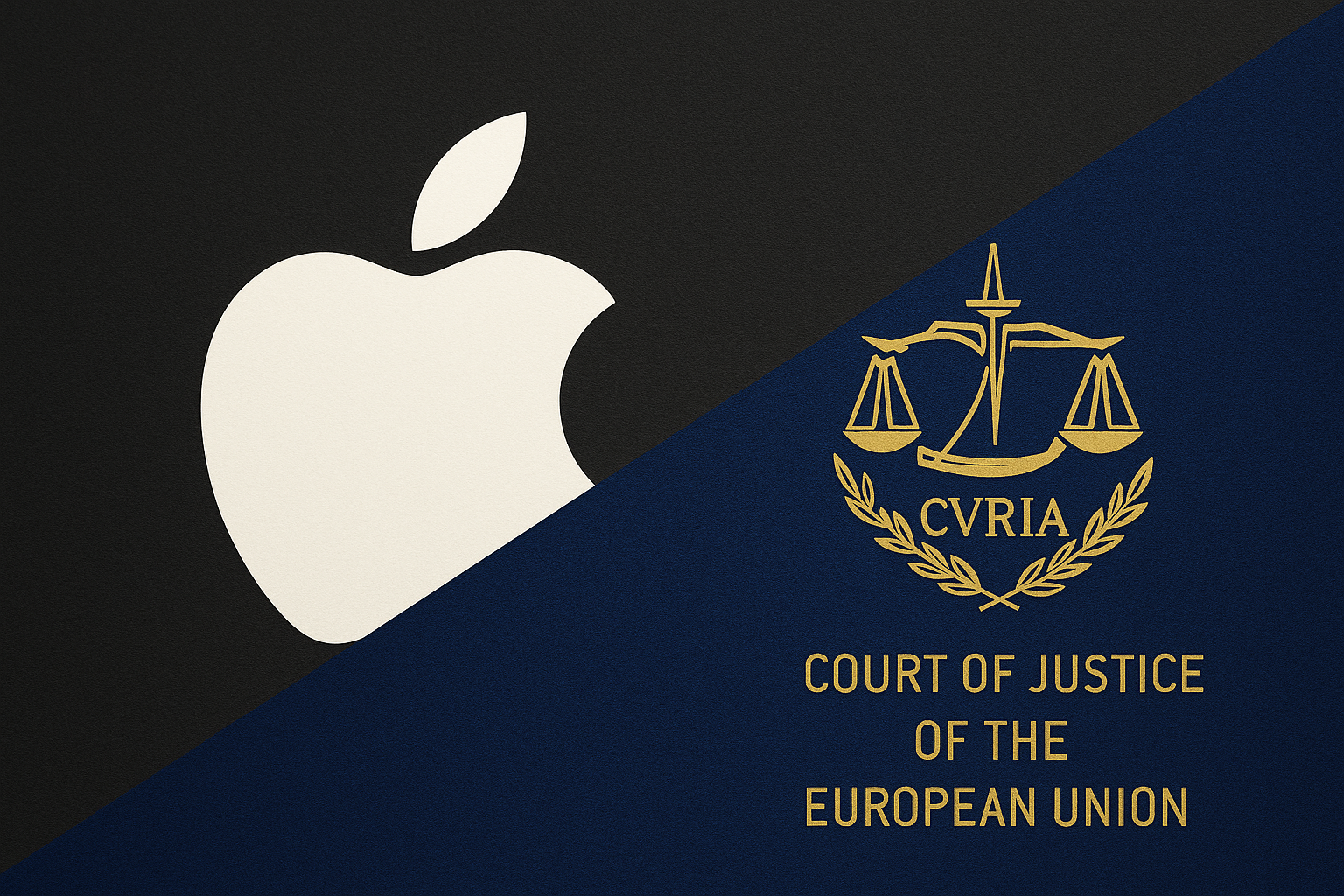
Apple Appeals €500 Million EU Antitrust Fine: A High-Stakes Battle Over App Store Rules
-

 Business & Finance4 months ago
AI Revolutionizes Cryptocurrency Trading with Real-Time Analysis
-
 Science & Technology4 months ago
AI Fitness Instructors and Unreal Gains: Revolutionizing the Fitness Industry
-

 Entertainment & Arts4 months ago
The Cinematic Legacy of Michael Jackson: A Biopic Unveiled
-
 Entertainment & Arts1 year ago
OXYGEN FILMS ANNOUNCES NEW FILM ‘NOSEBLEED’ — A BOLD QUEER THRILLER THAT PEERS INTO THE DIGITAL ABYSS.