
Entertainment & Arts
Gender-based toxicity still thrives in gaming

[ad_1]
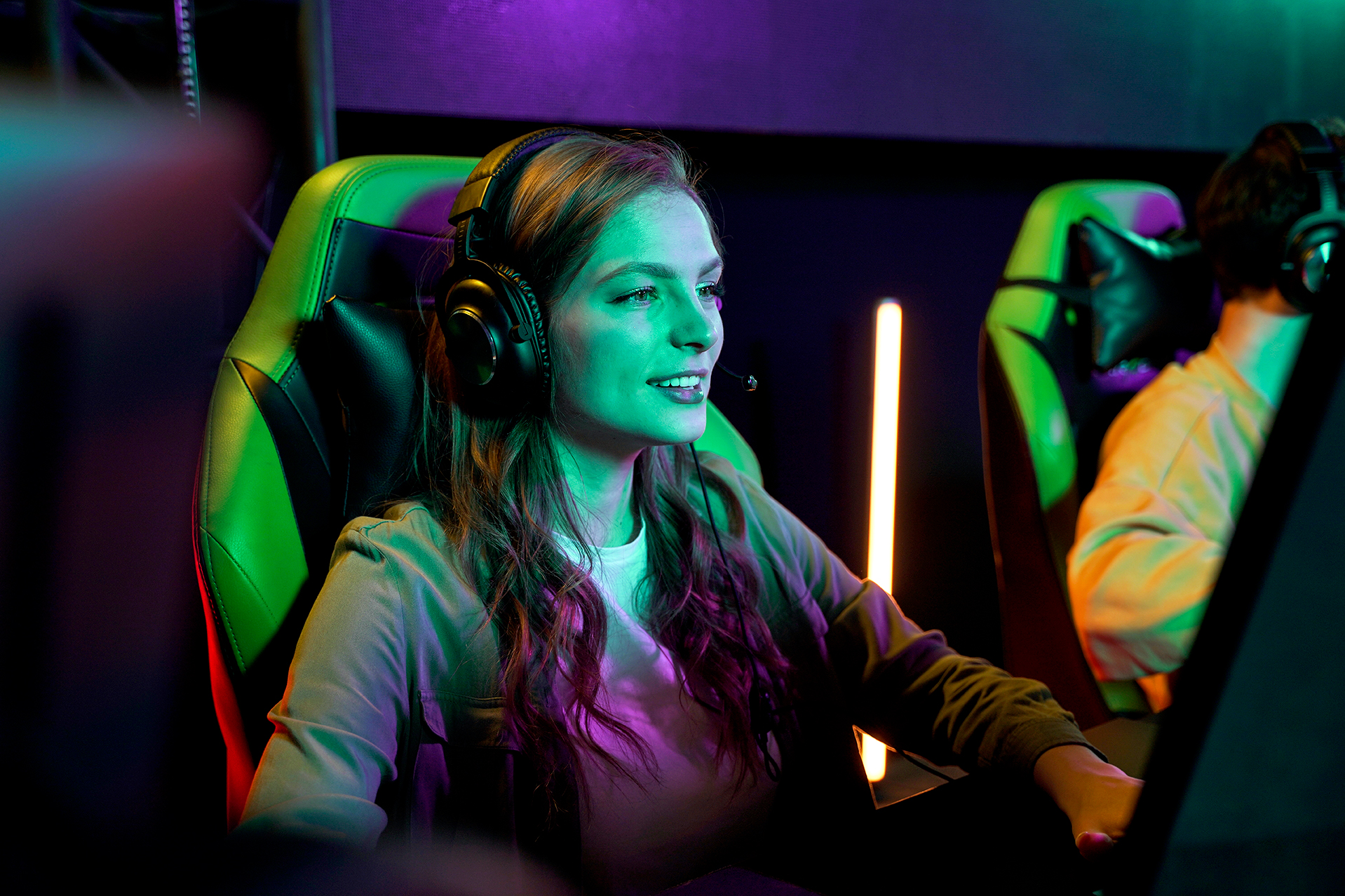
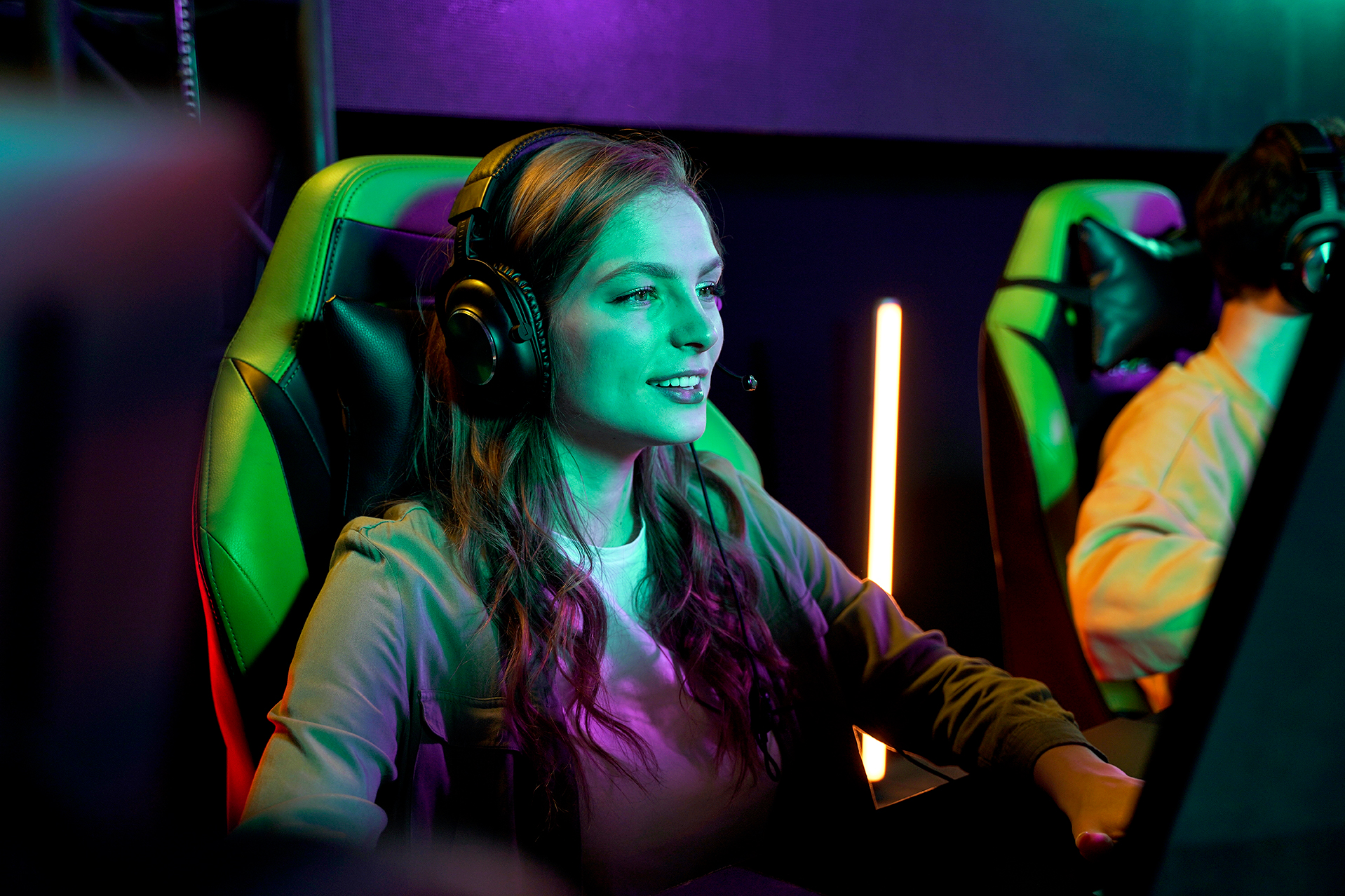
The gaming realm is often celebrated as an inclusive sanctuary offering an escape from reality, thrilling adventures, and connections with kindred spirits. Yet, this world is shadowed by toxicity, a phenomenon that impacts men and women. However, women experience a completely different form of toxic behavior.
Yes, women play video games
The gaming industry has long been dominated by men since its inception. However, women have always been its vital part. For instance, River Ride, one of the biggest 8-bit era hits, was developed by Carol Shaw. Another prominent figure of the dawn of the industry was Roberta Williams, the co-founder of Sierra Online, the company behind iconic adventure games. Interestingly, Williams was also responsible for Phantasmagoria: a horror experience and not your typically girly game. Despite the women’s presence in the industry from the early days, they are frequently viewed as outsiders, whether they play or make video games.
On that note, women are frequently directed towards games that are stereotypically associated with their gender: online dress-up games, The Sims, Nintendogs, Animal Crossing, and more similar titles. These games are often viewed as easy, simple, and almost sanitized, without the same status as action-packed games like Counter-Strike, Battlefield sports games, and other, stereotypically masculine titles.
This artificial, often unfounded, classification already diminishes the position of women in the gaming industry. However, it gets interesting when we take a look at how many copies of these titles were sold. Animal Crossing sold over 45 million copies, making it the second most purchased game on Nintendo Switch. The Sims series boasts over 200 million sold copies during the entire existence of this franchise. These numbers speak for themselves: perhaps these “girly” games are not so girly after all? Or maybe the female part of the gaming community is much bigger than people think?
“I vividly recall being asked about the types of games I enjoyed. That person said it’s hard to imagine a girl playing shooters and I didn’t look like someone who played such genres. On another occasion, during a gaming convention, an interviewer asked me during a live interview if I had a boyfriend. It’s not difficult to imagine how embarrassing it was to hear this question in front of a crowded audience. People often say that we are being too emotional and why we care about silly remarks so much, but the truth is, experiencing this behavior is simply tiresome” says Marta Wawrzyniak from a platform for gamers GAMIVO.
The array of uncomfortable and often worrying encounters women face could fill a whole book. Certainly, these questions or comments do not always harbor malicious intent. Quite frequently, they simply highlight the fact that the presence of women in the gaming community is still perceived as a novel and unfamiliar concept. Yet, sources give us a completely different view on this topic.
In Newzoo’s spotlight of the Global Gamer Study from 2023, we learn that close to half of all gamers are women. When considering the entire online population, 72% of women and 81% of men engage in gaming. The numbers don’t lie: women do play video games.
Many faces of gender-based toxicity
It’s important to acknowledge that men experience toxicity too. Many gaming communities have no mercy for anyone.
“I’d say that men can be as horrible to one another as to women when jumping on voice chats. The idea of false anonymity in gaming makes people let loose and spew the most horrible things without hesitation and remorse. However, it is important to note that the harassment and toxicity faced by women in gaming communities are often rooted in sexism and misogyny. It goes beyond just being mean or competitive” continues Marta.
Gender-based toxicity in gaming manifests in various, often insidious ways. These range from seemingly harmless sexist jokes and uninvited flirting to extreme cases of rape threats and harassment. Unlike their male counterparts, women frequently face aggressive forms of exclusion and hostility that directly target their gender. Interestingly, not only that kind of behavior can be annoying. Exessive niceness, flirting, and sexual innuendos are other forms of unwelcome behavior that can turn a simple gaming session into a festival of objectification.
Skill level doesn’t matter
A particularly troubling aspect of this toxicity is that it occurs regardless of a woman’s skill level, experience, or performance. There are dozens of examples where female games are praised for their performance, but this attitude changes in seconds as soon as they reveal their gender, especially in voice chats. The team’s attitude often shifts dramatically, leading to harassment, slurs, and active attempts to ruin their gaming experience, including jeopardizing the entire team’s chances of winning. Such examples alone suggest how vile attitudes towards women can get.
Take, for example, the experiences of popular streamers who share their experiences during live streams. A streamer SteffyEvans made an entire series of videos showcasing her encounters with toxic players who didn’t hesitate to throw slurs and so-called kitchen jokes even though she often outperformed other players.
Despite their skill and dedication to their passion, these women have faced relentless harassment simply for being female. Such behavior is not only disheartening but profoundly damaging to the community.
An experiment by Maybelline New York demonstrated this phenomenon perfectly. The study showed that certain players’ attitudes changed dramatically upon learning their teammate’s gender, irrespective of their performance. It’s a very clear indication that the issue is rooted in gender discrimination, rather than any objective measure of skill.
In a study “Insights into Sexism: Male Status and Performance Moderates Female-Directed Hostile and Amicable Behaviour” by Kasumovic and Kuznekoff, the researchers argue that lower-skilled players were more hostile towards a female-voiced teammate, especially when performing poorly. In contrast, lower-skilled players behaved submissively towards a male-voiced player in the identical scenario. This behavior might stem from the fact, that poorly-performing people are afraid of losing their status in the social hierarchy.
Partial or complete exclusion
It shouldn’t be difficult to understand that facing bullying and harassment makes girls less interested in communicating via voice chats. Moreover, many of them prefer to pick gender-neutral nicknames, just to avoid potential drama. This forced anonymity denies them full participation in gameplay and community interactions. If we take into account the fact that multiplayer games mostly rely on cooperation and communication, we can see that women can’t fully experience the community aspect of many games.
Workplace toxicity in the gaming industry
Gender-based toxicity is not confined to the player community; it extends into the gaming industry itself. Misogyny, harassment, and the undermining of women’s expertise are distressingly common. Recent high-profile cases, such as the lawsuit against Blizzard Entertainment show that even the biggest players in the industry have reasons to be ashamed of.
In 2013, the lead artist working on Black Myth: Wukong expressed his hateful view that men and women can’t enjoy the same games, throwing some slurs on the way. It’s not the only example from the very same studio, which turned out to have a history of toxic work culture.
The stark gender gap in the gaming industry deepens this issue. While women make up about 50% of the gaming community, they account for only 30% of those working in game development. This disparity underscores the need for systemic change to create a more inclusive environment for women in both playing and creating games.
The changing image of women in video games
Fortunately, there are signs of progress. The representation of women in video games is evolving, with more female characters depicted in non-objectifying, non-sexualized roles. Female characters are more diverse, complex, and realistic. The transition isn’t of course smooth. When Horizon: Forbidden West released the first promo materials, many players were outraged by Aloy’s looks, as they noticed naturally occurring (and barely visible) peach fuzz on her face, suggesting that the character has a beard.
However, developers and gaming companies are starting to acknowledge the importance of diversity and representation in their games. This can be seen in releases such as Baldur’s Gate 3. It’s a perfect example of how to write good characters, with strengths, flaws, and motivations that are not centered on gender stereotypes.
Hopeful future
Fostering a more inclusive gaming culture, where players of all genders feel valued and respected, is a crucial shift. Yes, eradicating toxicity probably will never happen. Nonetheless, a noticeable change is underway.
“Having been part of the gaming community for years, I see a change in how female gamers are perceived. The rising popularity of streaming has inspired many girls to engage in gaming, promoting increased acceptance and support for women in the gaming community. GAMIVO, my workplace, boasts a large percentage of women passionate about gaming and everything that concerns this topic: from streaming, attending events, cosplaying, to simply playing video games as much as other colleagues,” concludes Marta Wawrzyniak.
The toxicity problem has always plagued online environments of video games, but it is noticeable that many communities are working towards creating safer and more inclusive spaces for players. Developers are working on more and more strict policies in their games, mercilessly banning toxic players. Although this process is still far from perfect, we can see a shift in the attitude toward toxicity in both the industry and the games themselves.
[ad_2]
Source link






Entertainment & Arts
Ed Sheeran Tour Faces Backlash as Support Acts Quit Over Macklemore’s Removal
Ed Sheeran’s US tour faces turmoil as all support acts leave following Macklemore’s removal over pro-Palestinian remarks.


The recent controversy surrounding Ed Sheeran’s US tour has taken a dramatic turn as all supporting acts have reportedly quit following the removal of Macklemore due to his on-stage ‘Free Palestine’ statements [BBC]. This mass departure has intensified the media spotlight on the tour, which was initially poised to cover multiple cities across the United States [BBC].
Macklemore’s dismissal from the tour stemmed from his political remarks advocating for Palestine, which he delivered during one of his performances [Rolling Stone]. These statements have been identified as the primary reason for his exclusion from the lineup, a decision that has elicited significant backlash and public discourse [Rolling Stone].
The ensuing fallout from Macklemore’s removal has not only generated widespread media attention but also prompted a unified response from the remaining support acts. Their collective withdrawal underscores the gravity of the situation and highlights the contentious nature of intertwining politics with entertainment [BBC].
Despite the controversy, Ed Sheeran has addressed the situation in public, although specifics regarding his response remain sparse [Porterville Recorder]. Sheeran’s stance and the reasoning behind the decision to drop Macklemore have become focal points in the ongoing debate, with fans and commentators seeking clarity on these issues.
The removal of Macklemore has sparked a broader conversation about the role of artists in political discourse and the potential repercussions of their statements. This incident has raised questions about the extent to which personal beliefs can influence professional collaborations, particularly in the entertainment industry [Rolling Stone].
With the tour initially set to traverse several US cities, the sudden departure of all supporting acts poses logistical challenges for Sheeran’s team. The impact on ticket sales, audience expectations, and the overall success of the tour remains uncertain, as organizers scramble to address the fallout [BBC].
As the controversy unfolds, it brings to light the delicate balance artists must maintain between expressing their beliefs and navigating their professional commitments. The decision to remove Macklemore, and the subsequent actions of the support acts, underscore the complex dynamics at play in the entertainment industry [Rolling Stone].
Questions linger about the future of the tour and whether new support acts will be recruited in time to salvage planned performances. The situation also raises concerns about potential repercussions for Sheeran’s brand and his relationship with fans, particularly those sympathetic to Macklemore’s stance [Porterville Recorder].
As the debate continues, the entertainment world awaits further developments. The next steps taken by Ed Sheeran and his team will be crucial in determining the outcome of this high-profile controversy and its long-term implications for those involved [Rolling Stone].
Entertainment & Arts
Thomas Hardy Collection Gains Prestigious Arts Council Recognition
Thomas Hardy’s collection in Dorset receives national recognition from Arts Council England, underscoring its cultural significance.

The Thomas Hardy collection, housed within the Dorset museum, has received a significant accolade from Arts Council England, underscoring its importance in the realm of cultural heritage. As of September 14, 2026, this collection is among a record nine collections recognized by the Council this year. The designation marks a pivotal moment for the collection, emphasizing its national significance and the enduring legacy of Hardy’s literary contributions.
Arts Council England’s designation is not merely an honorific; it is a testament to the collection’s outstanding value to the nation. Such recognition is part of a larger initiative aimed at highlighting and preserving culturally and historically important collections across the UK. The Council’s selection criteria are rigorous, ensuring that only collections of the highest merit receive acknowledgment. This involves assessing the collection’s relevance, historical significance, and its potential to engage the public and scholars alike.
The Dorset museum, home to the Hardy archive, plays a crucial role in maintaining and showcasing this collection. The museum’s efforts to preserve Hardy’s manuscripts, letters, and personal artifacts have been instrumental in achieving this designation. This recognition places the museum among esteemed institutions that have been entrusted with the care of the nation’s cultural treasures. Not only does it elevate the museum’s profile, but it also attracts scholars, literary enthusiasts, and tourists, further solidifying its status as a center for cultural heritage.
The Arts Council’s decision to highlight the Hardy collection is part of a broader movement to recognize and support collections that contribute to the UK’s cultural tapestry. The initiative seeks to bring attention to collections that might otherwise remain underappreciated, ensuring their preservation for future generations. This aligns with the Council’s commitment to fostering a deeper appreciation for cultural and historical assets, thereby enriching the nation’s collective memory.
The inclusion of the Hardy collection in this prestigious group of recognized archives is reflective of Hardy’s enduring influence on literature and culture. His works, which vividly capture the essence of rural England and the complexities of human experience, continue to resonate with audiences today. The collection offers a unique insight into Hardy’s life and inspiration, making it a vital resource for understanding the context and impact of his writings.
The recognition by Arts Council England not only celebrates Hardy’s legacy but also underscores the importance of preserving such collections for educational and cultural enrichment. It highlights the need for ongoing support and investment in the arts, ensuring that future generations have access to these invaluable resources. The designation serves as a call to action for stakeholders, including educational institutions, government bodies, and private benefactors, to contribute to the preservation and promotion of cultural heritage.
As the Dorset museum prepares to celebrate this achievement, it anticipates an increase in visitor numbers and interest in its exhibits. The recognition provides a platform to expand its educational programs and outreach initiatives, fostering a greater understanding and appreciation of Hardy’s work. This is a significant opportunity for the museum to further cement its role as a custodian of cultural heritage and a beacon for literary scholarship.
Looking ahead, the designation by Arts Council England is expected to open new avenues for collaboration and funding, enabling the Dorset museum to enhance its offerings and reach a wider audience. This recognition not only elevates the status of the Hardy collection but also reinforces the importance of preserving and promoting the nation’s cultural artifacts. As the museum embarks on this new chapter, it stands as a testament to the enduring legacy of Thomas Hardy and the power of literature to transcend time and space.
Entertainment & Arts
‘Practical Magic 2’ Enchants Box Office with Strong Debut
‘Practical Magic 2’ charms audiences with a top box office debut, earning $28-30M domestically and $46M globally in its opening weekend.

On the weekend of September 13, 2026, ‘Practical Magic 2’ bewitched audiences and critics alike with its highly anticipated debut. The sequel to the beloved 1998 film opened at the top of the box office, pulling in an impressive $28 million to $30 million domestically. Its global opening brought in an additional $46 million, according to reports from Variety, The Independent, Deadline, and TheWrap. The film’s enchanting performance at the box office is a testament to its widespread appeal and the enduring charm of the original film.
The success of ‘Practical Magic 2′ can be attributed to a combination of factors. Nostalgia played a significant role in drawing audiences to theaters, as fans of the original film eagerly anticipated the continuation of the Owens sisters’ magical journey. The sequel’s marketing campaign capitalized on this sentiment, highlighting beloved elements from the first film while promising fresh twists and new spells. This approach successfully attracted both returning fans and new viewers, expanding the film’s audience.
Critics have noted that ‘Practical Magic 2’ strikes a delicate balance between honoring its predecessor and introducing innovative storylines. This balance is crucial for sequels, as it allows them to resonate with existing fans while still being accessible to newcomers. The film’s blend of romance, fantasy, and drama, set against a backdrop of witchcraft and family dynamics, offers something for everyone. It is a magical formula that has evidently worked at the box office.
The cast of ‘Practical Magic 2’ also contributed to its success. The return of iconic characters played by some of Hollywood’s most beloved actors brought an added layer of excitement to the film. Their performances were praised for capturing the essence of the original characters while showcasing growth and development. This continuity provided a sense of familiarity and comfort for fans, enhancing the film’s appeal.
Moreover, the film’s visual and special effects have been widely lauded for their quality and creativity. The magical elements are brought to life with stunning visuals that captivate audiences and enhance the storytelling. These effects are not just eye candy; they are seamlessly integrated into the narrative, reinforcing the film’s themes and emotional beats.
The timing of ‘Practical Magic 2’s release also played a role in its box office triumph. With its release falling just before the Halloween season, the film tapped into a natural increase in audience interest in supernatural and fantasy themes. This strategic timing likely contributed to its strong opening weekend performance, as viewers sought out entertainment that aligned with the seasonal mood.
As the film continues its theatrical run, its performance will be closely watched by industry analysts. The strong opening numbers suggest a promising future, with potential to maintain its momentum through word of mouth and repeat viewings. The film’s reception highlights the enduring appeal of stories that blend magic with relatable human experiences, tapping into universal themes of love, family, and self-discovery.
Looking ahead, ‘Practical Magic 2’ sets a high bar for future sequels and adaptations within the genre. Its success demonstrates the commercial viability of films that strike a balance between nostalgia and innovation. For studios, this serves as a reminder of the importance of understanding and leveraging audience sentiment in crafting compelling narratives. As the film continues to enchant viewers worldwide, it stands as a testament to the power of well-told stories and the magic of cinema.
-

 Entertainment & Arts5 months ago
Drake’s ‘Iceman’: A Streaming Chart-Busting Success Story
-
 Environment & Nature1 year ago
SK tes Launches New Circular IT Facility in Shannon, Expanding Ireland’s Role in Global Sustainable Tech Services
-

 Science & Technology5 months ago
Apple’s AI Innovations: Shaping the Competitive Landscape in 2026
-
 Business & Finance2 years ago
Xella achieves significant progress in CO₂ emissions reduction, circular economy, and occupational safety
-

 Business & Finance5 months ago
AI Revolutionizes Cryptocurrency Trading with Real-Time Analysis
-
 Business & Finance1 year ago
Apple Appeals €500 Million EU Antitrust Fine: A High-Stakes Battle Over App Store Rules
-

 Business & Finance5 months ago
The Rise of Green Finance in Europe: Challenges and Limitations
-

 Entertainment & Arts5 months ago
The Cinematic Legacy of Michael Jackson: A Biopic Unveiled