
Science & Technology
Heliospace Adds Former JPL and NASA Senior Technical Staff to Its Team


[ad_1]
Childs, Cooper, Thompson Bring Decades of Expertise to Heliospace
BERKELEY, Calif., February 20, 2025 (Newswire.com)
–
Heliospace Corp., a subsidiary of Helio Corporation (OTC PINK:HLEO), has announced that it has tapped three former JPL and NASA senior technical staff members for its Space Systems Engineering Team. Brian Childs, James Cooper, and Shaun Thomson are the latest additions to the Heliospace experienced technical roster.
Brian Childs has experience leading mechanical and structural design teams, as well as systems engineering and structural configuration experience of large optical systems. He was the Chief Mechanical Engineer for multiple Department of Defense Flight Demonstration Programs as well as the Chief Engineer for the Mars Sample Return mission.
James Cooper brings 33 years of experience as a mechanical engineer to Heliospace. He has worked on the management, design, fabrication, assembly, test, and flight operations of various space system structures and mechanisms, was the Lead Mechanical Engineer for the final Hubble Space Telescope servicing mission (SM4) and spent 12+ years as the NASA James Webb Space Telescope (JWST) Sunshield Manager.
Shaun Thomson is a 35-year NASA veteran with experience in thermal engineering in space flight projects. He served as the Thermal Subsystem Lead Engineer for JWST and numerous other NASA Earth orbiting, planetary, and deep space missions.
“Brian, James, and Shaun bring significant expertise to support our development of optical systems,” says Joe Pitman, co-founder and Chief Technology Officer at Heliospace. “They have been respected colleagues of ours for decades and through many space missions and we are thrilled to now have them as a part of the Heliospace team.”
About Helio Corporation:
Helio Corporation is a technology, engineering and research and development (R&D) holding company serving commercial, government and non-profit organizations. Our wholly owned subsidiary Heliospace Corporation (“Heliospace”) is an aerospace company specializing in the design, engineering, assembly and test of space flight-qualified hardware and provides systems engineering, modeling, analysis, integration and test services to customers in government, commercial, private and non-profit markets. With deep expertise in civil space missions combined with a growing business serving commercial companies, our primary company objective is to enable humanity’s pursuit of the scientific and commercial development of space. https://helio.space
Note Regarding Forward-Looking Statements:
Some of the matters discussed herein may contain forward-looking statements that involve significant risk and uncertainties. Forward-looking statements can be identified by the use of words like “believes,” “could,” “possibly,” “probably,” “anticipates,” “estimates,” “projects,” “expects,” “may,” “will,” “should,” “seek,” “intend,” “plan,” “expect,” or “consider” or the negative of these expressions or other variations, or by discussions of strategy that involve risks and uncertainties. All forward-looking statements involve known and unknown risks, uncertainties and other factors that may cause our actual transactions, results, performance or achievements to be materially different from any future transactions, results, performance or achievements expressed or implied by such forward-looking statements. We base these forward-looking statements on current expectations and projections about future events and the information currently available to us. Although we believe that the assumptions for these forward-looking statements are reasonable, any of the assumptions could prove to be inaccurate. Consequently, no representation or warranty can be given that the estimates, opinions, or assumptions made in or referenced by this presentation will prove to be accurate. We caution you that the forward-looking statements in this presentation are only estimates and predictions, or statements or current intent. Actual results or outcomes, or actions that we ultimately undertake, could differ materially from those anticipated in the forward-looking statements due to risks, uncertainties or actual events differing from the assumptions underlying these statements. We caution investors not to rely on the forward-looking statements contained in, or made in connection with this presentation. The Company undertakes no duty or obligation to update any forward-looking statements contained in this presentation as a result of new information, future events or changes in the Company’s business plans or model.
Source: Helio Space Corporation
[ad_2]
Source link





Science & Technology
AI Cloning Real People’s Videos Raises Ethical Concerns
AI cloning of real people’s videos raises ethical concerns about privacy, consent, and misuse.


The rise of artificial intelligence technology enabling the cloning of real people’s videos has ignited a profound ethical debate. The technology allows for the creation of videos that replicate individuals’ likenesses and voices without their consent, sparking concerns over privacy and identity theft [Yahoo, Nov 2026]. This capability not only infringes on personal privacy but also poses a significant threat to security, as noted by cybersecurity experts who warn of the potential for misuse [Yahoo, Nov 2026].
The ramifications of this technology extend beyond individual privacy concerns. Experts warn of a potential surge in misinformation and deepfake content, as AI-generated videos become indistinguishable from authentic footage [Yahoo, Nov 2026]. This could lead to a new era where distinguishing fact from fabrication becomes exceedingly difficult, which poses a danger to both public opinion and democratic processes.
In response, there have been increasing calls for stricter regulations on AI-generated content. Policymakers and tech companies are at the forefront of these discussions, as they grapple with the ethical implications of AI cloning [Yahoo, Nov 2026]. The debate centers on finding a balance between technological advancement and the protection of individual rights, a challenge that has become more pressing as the technology advances.
The ethical concerns surrounding AI cloning are not merely hypothetical. Real-world applications of this technology have already begun to surface, raising alarms among privacy advocates and legal experts alike. The ability to replicate someone’s likeness without their consent is seen as a direct violation of personal autonomy, reinforcing the urgent need for regulatory frameworks [Yahoo, Nov 2026].
As the debate over AI cloning intensifies, the role of tech companies in mitigating potential harms is under scrutiny. Many argue that these companies bear a significant responsibility in ensuring their technologies are not used for malicious purposes. This includes developing and implementing robust safeguards against misuse [Yahoo, Nov 2026].
The potential for AI cloning to be weaponized for misinformation campaigns is a growing concern. In an era where the authenticity of information is paramount, the ability to generate convincing fake videos could erode trust in media and public institutions. This highlights the critical need for comprehensive strategies to address the spread of deepfake content [Yahoo, Nov 2026].
Amid these challenges, the conversation around AI cloning also touches on broader societal issues such as consent and agency. The unauthorized use of a person’s image or voice raises questions about who owns digital likenesses and how they should be protected. These questions are central to the ongoing ethical discussions [Yahoo, Nov 2026].
The urgency for regulation is further underscored by the rapid pace of AI development. As technology continues to evolve, the window for establishing effective legal and ethical guidelines is narrowing. Policymakers are under pressure to act swiftly to prevent potential abuses and ensure that AI serves the public good [Yahoo, Nov 2026].
Looking ahead, the outcome of these debates will likely shape the trajectory of AI technology and its integration into society. The decisions made by policymakers and tech companies will determine whether AI cloning becomes a tool for innovation or a source of new ethical dilemmas. The response to these challenges will be a defining factor in the future landscape of digital content creation [Yahoo, Nov 2026].
Science & Technology
California Sues OpenAI Over AI Development Safeguards
California sues OpenAI, alleging inadequate AI safeguards, raising ethical concerns and setting potential regulatory precedents.

On November 16, 2026, the California Attorney General’s office filed a lawsuit against OpenAI, a leader in artificial intelligence research, alleging that the company’s development processes lack sufficient safeguards to protect consumers and the public. This legal action marks a significant moment in the ongoing debate about the ethical and safety standards required in AI technology development. The lawsuit underscores what the Attorney General describes as “the need for stringent safety measures” in the creation and deployment of AI systems [Al Jazeera, Nov 2026].
OpenAI has gained prominence for its work in developing cutting-edge AI models, which have the potential to transform various industries. However, the lawsuit raises critical questions about the balance between innovation and public safety. It argues that without robust safeguards, OpenAI’s practices could lead to harmful consequences for consumers and society at large [Al Jazeera, Nov 2026].
The implications of this lawsuit extend beyond OpenAI, potentially setting a precedent for how AI development is regulated in the future. The case illustrates a growing recognition among regulators of the need to establish clear guidelines and standards to govern the rapidly evolving field of artificial intelligence. This development suggests that companies like OpenAI may soon face more stringent oversight and accountability measures [Al Jazeera, Nov 2026].
California’s move to sue OpenAI highlights the state’s proactive stance in addressing the ethical issues surrounding AI. As a hub for technological innovation, California is in a unique position to influence national and global discussions about AI regulation. The outcome of this case could shape the future landscape of AI development, emphasizing the importance of integrating ethical considerations into technological advancements [Al Jazeera, Nov 2026].
The lawsuit also brings to light the potential risks associated with AI technologies, which, if left unchecked, could pose significant threats to privacy, security, and equity. By taking legal action, California aims to prompt a broader conversation about the responsibilities of AI developers and the need for comprehensive safety protocols [Al Jazeera, Nov 2026].
OpenAI’s response to the lawsuit will be closely watched, as it may impact the company’s reputation and its approach to AI development. While OpenAI has been at the forefront of AI research, the legal challenge presents an opportunity for the organization to demonstrate its commitment to ethical practices and consumer protection. This case could encourage other AI firms to reevaluate their own safety measures and ethical standards [Al Jazeera, Nov 2026].
The legal proceedings against OpenAI highlight the tension between technological advancement and regulatory intervention. As AI continues to evolve, the need for a balanced approach that ensures both innovation and public safety becomes increasingly crucial. The outcome of this lawsuit may serve as a catalyst for the development of more comprehensive regulatory frameworks governing AI technologies [Al Jazeera, Nov 2026].
In pursuing this lawsuit, California is not just challenging OpenAI but is also setting the stage for future regulatory actions that could impact the broader tech industry. This case may encourage other states and countries to consider similar measures, potentially leading to a more coordinated global effort to regulate AI development and deployment [Al Jazeera, Nov 2026].
As the legal battle unfolds, stakeholders in the AI industry will be keenly observing the proceedings, aware that the case might redefine the standards for ethical AI development. The outcome will likely influence how AI technologies are perceived and governed in the coming years, emphasizing the critical role of regulation in shaping the future of artificial intelligence [Al Jazeera, Nov 2026].
Science & Technology
Nvidia’s Leadership Crisis: CEO Jensen Huang’s Future in Question
Nvidia’s board considers ousting CEO Jensen Huang amid leadership crisis, impacting company and tech industry future.

Nvidia, a titan in the tech industry, is embroiled in a leadership crisis as the board reportedly contemplates the removal of its CEO, Jensen Huang. This potential ousting has sent ripples through the tech world, given Huang’s pivotal role in Nvidia’s ascent to its current status. The board’s recent meeting to discuss Huang’s future underscores the gravity of the situation, highlighting the internal tensions within the company [Reuters, November 2026].
Huang’s tenure has been synonymous with Nvidia’s growth and innovation, making him an integral part of the company’s identity. His leadership has been crucial in navigating Nvidia through the evolving technological landscape, securing its position as a leader in graphics processing and AI technology [WSJ, November 2026]. However, recent volatility in Nvidia’s stock has sparked investor concerns about the company’s leadership and future direction [Reuters, November 2026].
The board of Nvidia is reportedly evaluating all options as it deliberates Huang’s future. This consideration comes amid a backdrop of fluctuating stock prices, which have raised questions about the company’s strategic direction and management effectiveness [WSJ, November 2026]. The potential restructuring of Nvidia’s management could have far-reaching implications for the company and the broader tech industry [Reuters, November 2026].
As the board weighs its options, the outcome of these discussions could lead to significant changes within Nvidia. Such a shake-up in leadership is not just a concern for the company but also for investors and stakeholders who are closely monitoring the situation [Reuters, November 2026]. The prospect of a new leadership team raises questions about whether Nvidia can maintain its innovative edge and continue its trajectory in the competitive tech market.
The decision to possibly remove Huang is not just about leadership but also about the company’s ability to adapt to market changes and investor expectations. This situation places Nvidia at a crossroads, where the decisions made could redefine its future and its role in the tech industry. The stakes are high, and the consequences of the board’s decision will likely be felt beyond Nvidia’s walls.
While the board’s deliberations continue, the tech community is left speculating about the future leadership of one of its most influential companies. This uncertainty underscores the challenges of maintaining leadership stability in a rapidly changing industry. Nvidia’s ability to navigate this crisis will be crucial in determining its future success and influence in the tech world.
The decision of whether to retain Huang or seek new leadership will be a defining moment for Nvidia. It will test the company’s resilience and capacity for innovation in the face of adversity. As the board weighs its options, the tech industry awaits the outcome, which could set a precedent for how similar companies manage leadership transitions in the future.
Nvidia’s board is expected to make a decision in the coming weeks, a timeline that puts pressure on all stakeholders involved. The resolution of this leadership crisis will not only shape Nvidia’s immediate future but also influence its long-term strategic goals. Observers and industry insiders will watch closely as Nvidia navigates this pivotal moment in its history.
-
 Business & Finance2 years ago
Xella achieves significant progress in CO₂ emissions reduction, circular economy, and occupational safety
-

 Entertainment & Arts6 months ago
Drake’s ‘Iceman’: A Streaming Chart-Busting Success Story
-
 Environment & Nature2 years ago
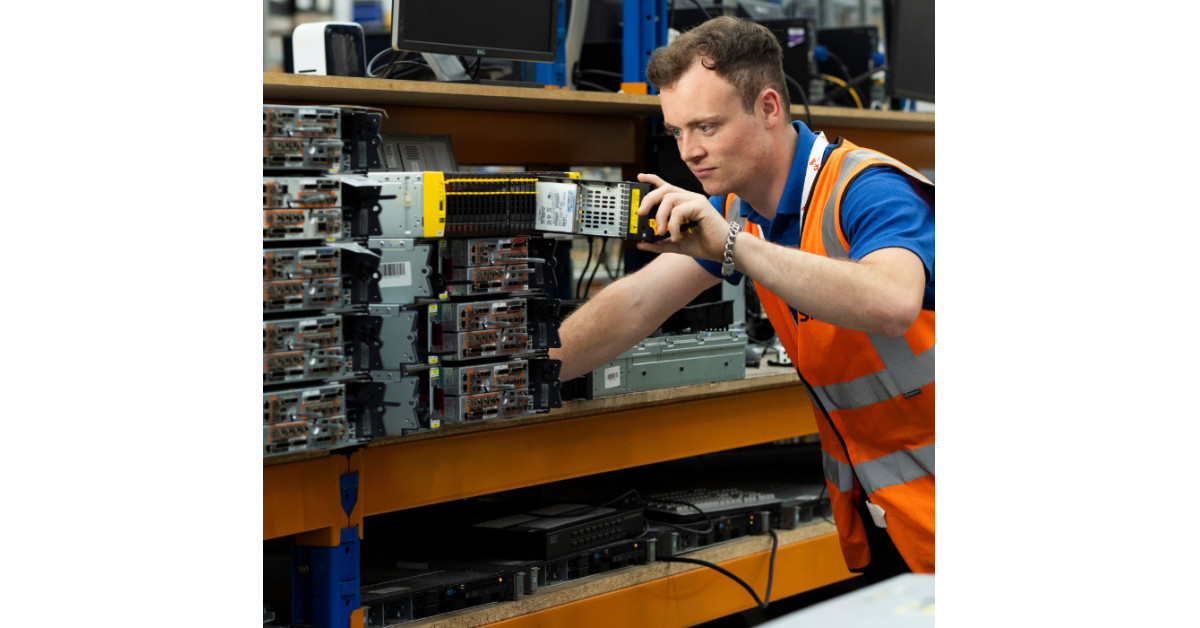
SK tes Launches New Circular IT Facility in Shannon, Expanding Ireland’s Role in Global Sustainable Tech Services
-

 Science & Technology6 months ago
Apple’s AI Innovations: Shaping the Competitive Landscape in 2026
-

 Business & Finance6 months ago
AI Revolutionizes Cryptocurrency Trading with Real-Time Analysis
-

 Environment & Nature6 months ago
Scotland’s Rewilding Revolution: Ecological Benefits and Global Influence
-

 Science & Technology6 months ago
Quantum Computing Breakthroughs: Disrupting Industries with Oxford’s Innovations
-

 Business & Finance6 months ago
EU’s Regulatory Shift: A Boon for Small Tech Firms