
Environment & Nature
Live Wildly Applauds Florida’s Continued Commitment to the Wildlife Corridor and the Economic Benefits It Brings

[ad_1]
Conserving healthy lands and waters within the Wildlife Corridor has potential to bring a 6-to-1 return on investment
TALLAHASSEE, Fla., April 16, 2025 (Newswire.com)
–
The amount of land conserved in and around the Wildlife Corridor with state funding has steadily grown each year since lawmakers established the Corridor in 2021 – and 2025 is poised to be yet another record-breaking year for Corridor conservation.
More than 133,000 acres of Corridor lands were conserved last year under Florida’s two largest conservation programs, Florida Forever and the Rural and Family Lands Protection Program (RFLPP). That acreage beat the amount of Corridor land conserved with state funding in 2023 (110,465 acres) which, in turn, was nearly three times the amount conserved in 2022 (36,602).
“Investing in nature is investing in the economy of Florida,” said Lisa Shipley, CEO of Live Wildly. “Florida has become a national example of how conserving natural lands and waters can lead to healthier communities and provide for a robust future.”
A 2021 study found that the Corridor supports at least 114,000 jobs and provides at least $30 billion in annual value from tourism, agriculture, forestry, and other industries. That same study found that conserving Corridor lands most at risk of destruction from development could bring Florida a 6-to-1 return on investment from increased tourism revenue and the sale of carbon credits.
Other studies have shown that protecting the Wildlife Corridor can shield communities from devastating floods and heat waves. The Corridor is home to about two-thirds of Florida’s floodplains which absorb water and act as natural buffers against flooding. The Corridor’s healthy forests keep temperatures cooler than in surrounding urban areas, offering tourists and Floridians a refuge from soaring heat and the health risk it brings.
“The name ‘Wildlife Corridor’ may lead some to think it’s focused solely on helping Florida’s iconic animal species,” said Shipley. “But the Corridor’s green infrastructure also serves as the foundation of Florida’s economy and quality of life.”
This year, the state is once again on track to conserve more lands and waters within and around the Wildlife Corridor than in previous years.
In March, state policy leaders approved a ground-breaking $84.5 million for the permanent conservation of 19,486 acres across 7 properties within the Corridor. The funding, which comes from Florida Forever and the RFLPP, will connect fragmented natural areas across the Corridor while supporting agricultural production as well as habitat for gopher tortoise, sandhill crane, the Florida panther, and other species.
Also in March, Florida opened its first new state park in seven years. The Upper Shoal River Park was established on 2,500 acres of land adjacent to the Corridor, purchased with funding from Florida Forever. It will protect habitat for numerous wildlife species while offering Florida residents and tourists new hiking, fishing, and paddling opportunities.
“We applaud the state’s commitment to keeping the Wildlife Corridor healthy and productive,” said Shipley. “The future of Florida’s communities and economies depend on it.”
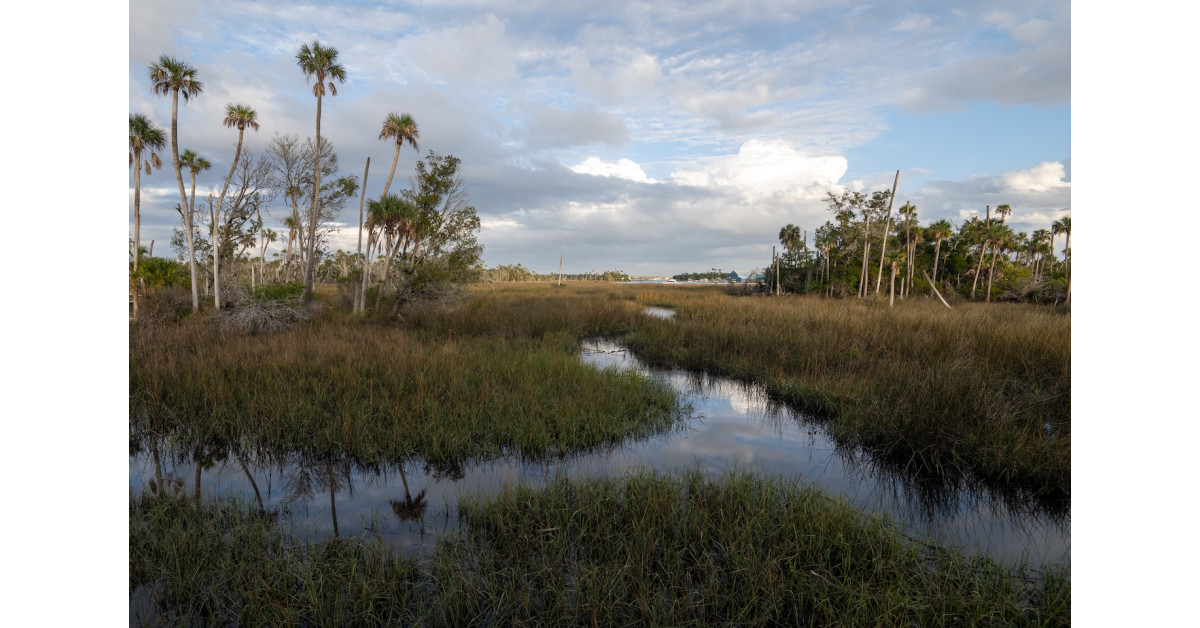
Created with unanimous approval of the state legislature in 2021, the Florida Wildlife Corridor is the nation’s largest state-wide conservation effort of its kind spanning 18-million-acres from the Florida Panhandle to the Everglades.
Contact Information
Meredith Budd
Deputy Director
[email protected]
Michelle Yepez
Brand Campaign & Events Advisor
[email protected]
Source: Live Wildly Foundation
Related Media
[ad_2]
Source link



Environment & Nature
Brazil’s Ambitious Plan to End Deforestation by 2030
Brazil aims to halt deforestation by 2030, setting a precedent in global climate efforts.


Brazil’s recent announcement to halt deforestation by 2030 marks a critical juncture in the nation’s environmental policy. This plan, revealed on November 3, 2026, underscores Brazil’s commitment to addressing climate change on a global scale. The government’s initiative is part of a larger framework aimed at significantly reducing carbon emissions while safeguarding the Amazon rainforest, one of the world’s most vital ecosystems.
Central to Brazil’s strategy is collaboration with international partners, a move that reflects the global dimensions of environmental challenges. By integrating efforts with other nations, Brazil seeks to leverage expertise, technology, and funding to enhance the effectiveness of its deforestation plan. This cooperative approach not only enhances the plan’s feasibility but also positions Brazil as a leader in environmental diplomacy.
The Amazon rainforest, often referred to as the “lungs of the Earth,” is a focal point of this initiative. The plan includes targeted measures to protect and preserve this crucial biome, which plays a significant role in global carbon sequestration. Protecting the Amazon is essential not only for Brazil but for the planet, as it contributes to stabilizing the global climate.
Brazil’s government has made it clear that reducing carbon emissions is a top priority. This aligns with international climate agreements and reflects a growing recognition of the urgent need to mitigate the impacts of climate change. By adopting stringent measures to curb deforestation, Brazil aims to set an example for other nations, demonstrating that economic development can coexist with environmental stewardship.
The plan is not merely a domestic policy but is being touted as a model for other countries facing similar environmental challenges. By providing a blueprint for sustainable development, Brazil’s initiative could inspire widespread adoption of deforestation curbing practices. This could lead to a more coordinated global effort to combat climate change.
While the ambitious nature of Brazil’s plan is commendable, its success will depend on effective implementation and enforcement. The government’s ability to translate policy into practice will be a critical factor in achieving its 2030 deforestation goals. This will require robust monitoring systems, transparent reporting, and accountability measures to ensure compliance.
The international community’s response to Brazil’s plan has been cautiously optimistic. While many applaud the country’s proactive stance, there is a collective understanding that ongoing support and collaboration are crucial. International partners and stakeholders will play a pivotal role in providing the necessary resources and expertise to help Brazil meet its objectives.
As Brazil moves forward with its deforestation plan, the world will be watching closely. The success of this initiative could have far-reaching implications for global climate policy. If Brazil achieves its goal, it will not only transform its own environmental landscape but also reinforce the viability of ambitious climate targets worldwide.
The coming years will be telling as Brazil implements its deforestation plan. The next significant milestone will be the development of detailed action plans and the establishment of partnerships essential for the plan’s success. All eyes will be on Brazil as it strives to fulfill its 2030 commitment, with the potential to reshape global environmental strategies.
Environment & Nature
Green Climate Fund’s $140 Million Boost for African Green Hydrogen
Green Climate Fund approves $140 million for green hydrogen projects in South Africa and Namibia, advancing renewable energy in Africa.
On October 29, 2026, the Green Climate Fund (GCF) announced its approval of $140 million in funding for green hydrogen projects in South Africa and Namibia. This substantial investment underscores a pivotal move towards renewable energy development in Africa, as the continent grapples with the twin challenges of energy security and climate change. The funding is poised to catalyze the growth of green hydrogen, a clean energy source that is gaining traction as a viable pathway to decarbonization.
The GCF’s decision marks a strategic investment aimed at harnessing the region’s abundant renewable resources. Both South Africa and Namibia possess significant potential for solar and wind energy, essential for producing green hydrogen. By tapping into these resources, the projects aim to create a sustainable energy supply while reducing dependence on fossil fuels, aligning with broader global efforts to mitigate climate change.
Green hydrogen is increasingly recognized for its role in reducing carbon emissions. Unlike traditional hydrogen production methods that rely on natural gas, green hydrogen is produced through electrolysis powered by renewable energy sources. This process results in zero carbon emissions, making it an attractive option for industries seeking to lower their environmental footprint. The GCF’s investment reflects a growing confidence in green hydrogen’s potential to transform energy systems.
The projects in South Africa and Namibia are not just about reducing emissions; they also promise significant socio-economic benefits. By enhancing energy security, these initiatives can provide a reliable power supply, crucial for economic development. Additionally, the projects are expected to generate employment opportunities, contributing to regional economic growth. This dual focus on environmental and economic benefits positions the projects as models of sustainable development.
The timing of the GCF’s announcement coincides with increased global interest in renewable energy investments. As countries around the world strive to meet their climate targets, Africa’s renewable energy potential is coming into sharper focus. The $140 million infusion from the GCF sends a strong signal to other investors about the continent’s viability as a hub for clean energy innovation.
Fuel Cells Works highlights the broader implications of such investments, noting that green hydrogen could play a critical role in Africa’s energy transition. By leveraging the continent’s vast renewable resources, green hydrogen projects can help bridge the gap between energy demand and supply, fostering a more resilient and sustainable energy infrastructure.
The GCF’s commitment to these projects aligns with its mission to support developing countries in their climate adaptation and mitigation efforts. By targeting Africa, the Fund is addressing a critical need for investment in regions that are disproportionately affected by climate change yet have contributed the least to its causes. This reflects a shift towards more equitable climate action.
As the projects move forward, they will be closely watched for their impact on local communities and the environment. Success in South Africa and Namibia could pave the way for similar initiatives across the continent, establishing a blueprint for green hydrogen development in other regions. The outcome of these projects will likely influence future funding decisions and policy frameworks related to renewable energy.
In the coming months, stakeholders will be keenly observing the implementation phases, looking for tangible outcomes that demonstrate the viability and scalability of green hydrogen as a cornerstone of Africa’s renewable energy strategy. The GCF’s investment sets a precedent that could drive further commitments from international donors and private sector players eager to support Africa’s clean energy ambitions.
Environment & Nature
Scotland’s Rewilding Revolution: Ecological Benefits and Global Influence
Scotland’s rewilding initiatives are transforming landscapes and ecosystems, offering ecological benefits and inspiring global conservation efforts. Explore the impact and future prospects of this bold environmental strategy.

In the misty highlands of Scotland, a quiet revolution is taking place. Rewilding, a concept that aims to restore ecosystems to their natural state, has been gaining momentum, transforming vast areas into thriving habitats. This ambitious movement is not only reshaping the Scottish landscape but also providing significant ecological benefits that echo far beyond its borders.
Central to the rewilding efforts are projects like the Cairngorms Connect and Trees for Life, which focus on restoring native forests and reintroducing keystone species such as the Eurasian lynx and beavers. These initiatives aim to enhance biodiversity, improve ecosystem services, and combat climate change by sequestering carbon in regenerating woodlands.
The ecological benefits are manifold. By reintroducing native species, these projects help restore natural processes and food webs, leading to healthier and more resilient ecosystems. The return of beavers, for instance, has been transformative; their dam-building activities create wetlands that support a myriad of plant and animal species, increase water retention, and reduce flood risks.
Moreover, rewilding contributes to soil restoration and enhances carbon capture. As diverse plant communities establish themselves, they improve soil structure and fertility, which in turn supports a broader range of wildlife. This natural regeneration process not only bolsters biodiversity but also plays a critical role in mitigating climate change.
However, the journey is not without its challenges. Critics argue that rewilding can conflict with traditional land uses, such as farming and grouse shooting, which are economically important to local communities. Balancing these interests requires careful negotiation and collaboration between stakeholders to ensure that rewilding projects are both ecologically and socially sustainable.
Looking ahead, Scotland’s rewilding initiatives hold immense potential to inspire similar efforts globally. By demonstrating the ecological and economic viability of rewilding, Scotland could galvanize international conservation strategies and contribute to global biodiversity targets.
As these wild landscapes continue to evolve, they offer a glimpse into a future where humans and nature coexist in harmony, each thriving in a supportively interconnected world. Scotland’s rewilding efforts may well be the blueprint for ecological restoration worldwide, as nations grapple with the twin crises of biodiversity loss and climate change.
-
 Business & Finance2 years ago
Xella achieves significant progress in CO₂ emissions reduction, circular economy, and occupational safety
-

 Entertainment & Arts6 months ago
Drake’s ‘Iceman’: A Streaming Chart-Busting Success Story
-
 Environment & Nature2 years ago
SK tes Launches New Circular IT Facility in Shannon, Expanding Ireland’s Role in Global Sustainable Tech Services
-

 Science & Technology6 months ago
Apple’s AI Innovations: Shaping the Competitive Landscape in 2026
-

 Business & Finance6 months ago
AI Revolutionizes Cryptocurrency Trading with Real-Time Analysis
-

 Environment & Nature6 months ago
Scotland’s Rewilding Revolution: Ecological Benefits and Global Influence
-

 Business & Finance6 months ago
EU’s Regulatory Shift: A Boon for Small Tech Firms
-

 Science & Technology6 months ago
Quantum Computing Breakthroughs: Disrupting Industries with Oxford’s Innovations