
Environment & Nature
Türkiye and Syria earthquakes – Statement by WHO Regional Director for Europe, Dr Hans Henri P. Kluge


[ad_1]
First and foremost, on behalf of all of us at the WHO Regional Office for Europe, and our WHO Country Office in Türkiye, I would like to reiterate our heartfelt condolences to the people of Türkiye and Syria.
Your suffering is immense. Your grief profound. WHO stands with you in your hour of need – and always.
As of now, more than 31,000 people have lost their lives to the earthquakes in Türkiye. The number of injured – almost 100,000 people.
Across the border in northwest Syria, the death toll is nearly 5,000. All of these figures will likely rise.
We have, at the same time, been witnessing miraculous rescue efforts by teams of heroic Turkish responders working around the clock, in a desperate race against time. We are inspired by them and draw strength from their efforts. Yesterday, they saved Miray, a young girl living in Adiyaman, from the rubble of a block of flats. She had been trapped for 178 hours.
At WHO, we have been urging all parties – government and civil society alike – to work together to ensure cross-border delivery of humanitarian aid, between Türkiye and Syria and within Syria itself.
The needs are huge, increasing by the hour. Some 26 million people across both countries need humanitarian assistance.
We – working with many partners – are supporting the massive humanitarian response to save lives, treat the injured, and crucially, help get the health system – particularly primary health care – back up and running, however daunting that seems at the present moment.
Over the past week we have:
- Dispatched three charter flights packed with emergency kits and medical supplies destined for both Syria and Türkiye – enough to treat 400,000 people as well as conduct 120,000 urgent surgeries and more supplies are on the way.
- We have deployed technical surge teams to the disaster zone to conduct urgent public health needs assessments and support our existing field offices in the area.
- We have initiated the deployment of emergency medical teams;
- We have released 16 million dollars from our Contingency Fund for Emergencies to help people in need.
Just over a week since this terrible tragedy, there are also growing concerns over emerging health issues linked to the cold weather, hygiene and sanitation, and the spread of infectious diseases – with vulnerable people especially at risk.
We stand beside Minister of Health Dr Fahrettin Koca and the Turkish Ministry of Health, who report that critical vaccine supplies – including against tetanus and rabies – have been sent to the quake zone and mobile pharmacies have begun operating.
In Türkiye, an estimated one million people have lost their homes and are living in temporary shelters. According to the Turkish authorities, an estimated 80,000 people are in hospital, placing a huge strain on the health system, itself badly damaged by the disaster.
The World Health Organization (WHO) has launched a $43 million appeal to support the earthquake response in Syria and Türkiye, but I expect this to at least double over the coming days, as we get a better assessment of the massive scale of this crisis and the needs.
This money will be used to:
- Ensure access to the most vulnerable and hard-to-reach populations
- Provide trauma care and post-trauma rehabilitation,
- Provide essential medicines and emergency kits to fill urgent healthcare gaps,
- Deliver vital mental and psychosocial support to the affected populations, and
- Ensure continuity of routine health services, especially for women, children, the elderly, and those with noncommunicable diseases.
We have initiated the largest deployment of Emergency Medical Teams in the WHO European Region in our 75-year history.
22 emergency medical teams have arrived in Türkiye so far. These specialized teams from 19 countries will integrate into Türkiye’s ongoing health response, providing critical emergency care.
Their immediate priority will be to support the many hospitals and medical facilities that have been damaged, working particularly to deal with the high number of trauma patients and catastrophic injuries.
Now is the time for the international community to show the same generosity that Türkiye has shown to other nations globally over the years. The country is home to the largest refugee population in the world, 4.2 million people from neighbouring Syria, many of whom have lost everything, again.
We are witnessing the worst natural disaster in the WHO European Region for a century. We are still learning about its magnitude. Its true cost is not known yet. Recovering and healing will take time and a phenomenal effort. But I can assure you that WHO will remain steadfast, alongside the people of Türkiye and Syria, for as long as it takes.
Thank you.
ENDS
Website: Türkiye and Syria earthquakes
https://www.who.int/europe/emergencies/situations/turkiye-and-syria-earthquakes
Photo resources for download:
https://photos.euro.who.int/galleries/380/media-trkiyesyria-earthquakes-2023
WHO/Europe Press Office:
[ad_2]
Source link


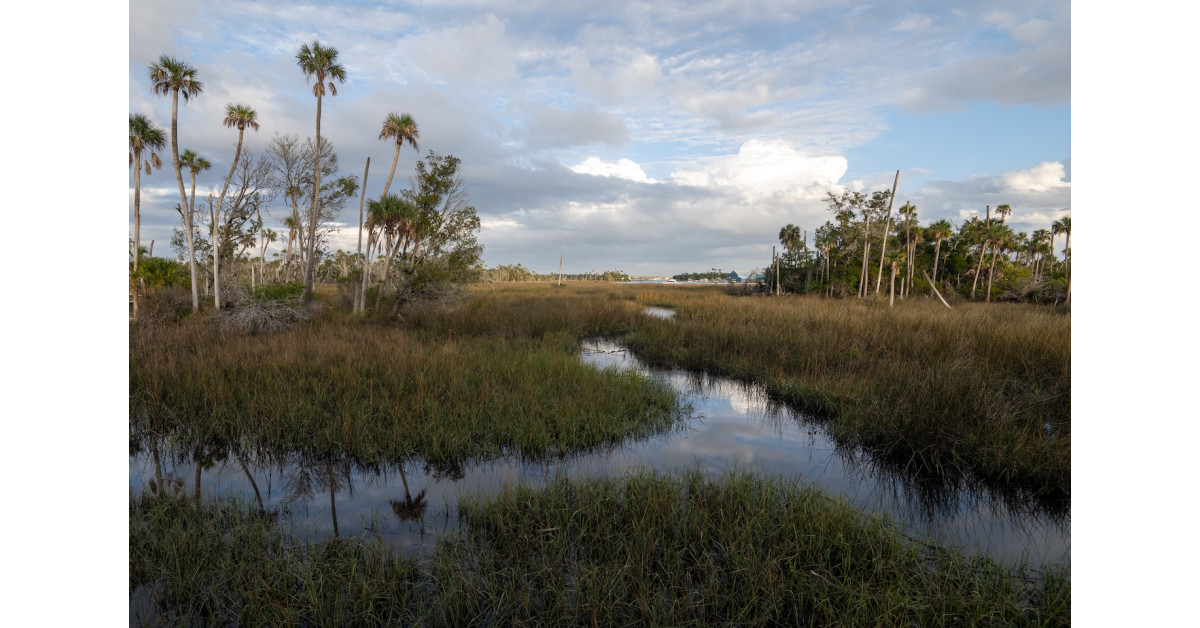

Environment & Nature
Green Climate Fund’s $140 Million Boost for African Green Hydrogen
Green Climate Fund approves $140 million for green hydrogen projects in South Africa and Namibia, advancing renewable energy in Africa.

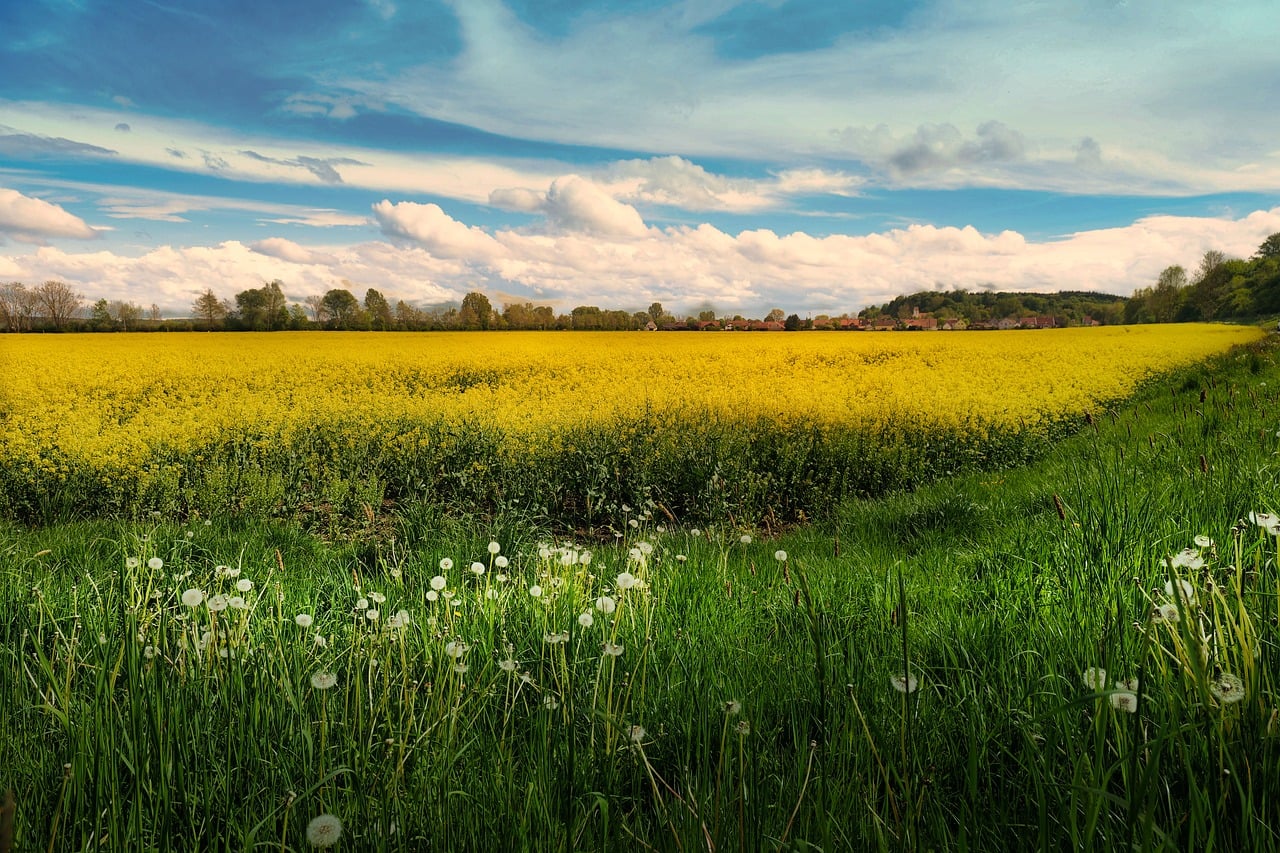
On October 29, 2026, the Green Climate Fund (GCF) announced its approval of $140 million in funding for green hydrogen projects in South Africa and Namibia. This substantial investment underscores a pivotal move towards renewable energy development in Africa, as the continent grapples with the twin challenges of energy security and climate change. The funding is poised to catalyze the growth of green hydrogen, a clean energy source that is gaining traction as a viable pathway to decarbonization.
The GCF’s decision marks a strategic investment aimed at harnessing the region’s abundant renewable resources. Both South Africa and Namibia possess significant potential for solar and wind energy, essential for producing green hydrogen. By tapping into these resources, the projects aim to create a sustainable energy supply while reducing dependence on fossil fuels, aligning with broader global efforts to mitigate climate change.
Green hydrogen is increasingly recognized for its role in reducing carbon emissions. Unlike traditional hydrogen production methods that rely on natural gas, green hydrogen is produced through electrolysis powered by renewable energy sources. This process results in zero carbon emissions, making it an attractive option for industries seeking to lower their environmental footprint. The GCF’s investment reflects a growing confidence in green hydrogen’s potential to transform energy systems.
The projects in South Africa and Namibia are not just about reducing emissions; they also promise significant socio-economic benefits. By enhancing energy security, these initiatives can provide a reliable power supply, crucial for economic development. Additionally, the projects are expected to generate employment opportunities, contributing to regional economic growth. This dual focus on environmental and economic benefits positions the projects as models of sustainable development.
The timing of the GCF’s announcement coincides with increased global interest in renewable energy investments. As countries around the world strive to meet their climate targets, Africa’s renewable energy potential is coming into sharper focus. The $140 million infusion from the GCF sends a strong signal to other investors about the continent’s viability as a hub for clean energy innovation.
Fuel Cells Works highlights the broader implications of such investments, noting that green hydrogen could play a critical role in Africa’s energy transition. By leveraging the continent’s vast renewable resources, green hydrogen projects can help bridge the gap between energy demand and supply, fostering a more resilient and sustainable energy infrastructure.
The GCF’s commitment to these projects aligns with its mission to support developing countries in their climate adaptation and mitigation efforts. By targeting Africa, the Fund is addressing a critical need for investment in regions that are disproportionately affected by climate change yet have contributed the least to its causes. This reflects a shift towards more equitable climate action.
As the projects move forward, they will be closely watched for their impact on local communities and the environment. Success in South Africa and Namibia could pave the way for similar initiatives across the continent, establishing a blueprint for green hydrogen development in other regions. The outcome of these projects will likely influence future funding decisions and policy frameworks related to renewable energy.
In the coming months, stakeholders will be keenly observing the implementation phases, looking for tangible outcomes that demonstrate the viability and scalability of green hydrogen as a cornerstone of Africa’s renewable energy strategy. The GCF’s investment sets a precedent that could drive further commitments from international donors and private sector players eager to support Africa’s clean energy ambitions.
Environment & Nature
Scotland’s Rewilding Revolution: Ecological Benefits and Global Influence
Scotland’s rewilding initiatives are transforming landscapes and ecosystems, offering ecological benefits and inspiring global conservation efforts. Explore the impact and future prospects of this bold environmental strategy.

In the misty highlands of Scotland, a quiet revolution is taking place. Rewilding, a concept that aims to restore ecosystems to their natural state, has been gaining momentum, transforming vast areas into thriving habitats. This ambitious movement is not only reshaping the Scottish landscape but also providing significant ecological benefits that echo far beyond its borders.
Central to the rewilding efforts are projects like the Cairngorms Connect and Trees for Life, which focus on restoring native forests and reintroducing keystone species such as the Eurasian lynx and beavers. These initiatives aim to enhance biodiversity, improve ecosystem services, and combat climate change by sequestering carbon in regenerating woodlands.
The ecological benefits are manifold. By reintroducing native species, these projects help restore natural processes and food webs, leading to healthier and more resilient ecosystems. The return of beavers, for instance, has been transformative; their dam-building activities create wetlands that support a myriad of plant and animal species, increase water retention, and reduce flood risks.
Moreover, rewilding contributes to soil restoration and enhances carbon capture. As diverse plant communities establish themselves, they improve soil structure and fertility, which in turn supports a broader range of wildlife. This natural regeneration process not only bolsters biodiversity but also plays a critical role in mitigating climate change.
However, the journey is not without its challenges. Critics argue that rewilding can conflict with traditional land uses, such as farming and grouse shooting, which are economically important to local communities. Balancing these interests requires careful negotiation and collaboration between stakeholders to ensure that rewilding projects are both ecologically and socially sustainable.
Looking ahead, Scotland’s rewilding initiatives hold immense potential to inspire similar efforts globally. By demonstrating the ecological and economic viability of rewilding, Scotland could galvanize international conservation strategies and contribute to global biodiversity targets.
As these wild landscapes continue to evolve, they offer a glimpse into a future where humans and nature coexist in harmony, each thriving in a supportively interconnected world. Scotland’s rewilding efforts may well be the blueprint for ecological restoration worldwide, as nations grapple with the twin crises of biodiversity loss and climate change.
Environment & Nature
The Promise and Peril of Climate Tech Innovations
As the climate crisis deepens, innovative technologies promise solutions, yet face significant challenges. This article critically examines the latest breakthroughs in climate tech, from carbon capture to renewable energy, and the obstacles they encounter.

In a bustling Silicon Valley lab, engineers are racing against time to perfect a new carbon capture technology, one that promises to revolutionize the fight against climate change. As the world grapples with the escalating impacts of global warming, the demand for innovative solutions has never been more urgent. Yet, as promising as these technologies appear, they are not without their challenges.
Carbon capture technology, designed to trap and store carbon dioxide emissions from power plants and industrial sources, is hailed as a critical component in the global strategy to reduce greenhouse gas emissions. However, the technology faces significant hurdles. High costs, energy requirements, and the need for extensive infrastructure development pose formidable barriers to widespread implementation. Critics argue that reliance on carbon capture could detract from efforts to reduce emissions at their source, such as transitioning to renewable energy.
Renewable energy technologies, such as solar and wind power, have seen remarkable advancements in recent years. The cost of solar panels has plummeted, making them more accessible than ever before. Wind turbines are now more efficient, capable of generating power even in low-wind conditions. Despite these advancements, the transition to a fully renewable energy grid faces obstacles. Storage technology, essential for balancing supply and demand, is still developing. Furthermore, the intermittent nature of wind and solar energy raises concerns about reliability, requiring substantial investment in grid infrastructure.
The climate tech sector is also grappling with issues of scalability and investment. For many startups, securing the capital needed to bring their innovations to market is a daunting challenge. Investors are often wary of the long timelines and uncertain returns associated with climate tech projects. This caution is compounded by regulatory hurdles and the need for supportive policy frameworks to incentivize adoption.
Despite these challenges, there is cautious optimism about the potential impact of climate tech innovations. Governments and private sector players are increasingly recognizing the necessity of these technologies in achieving climate targets. International collaborations and public-private partnerships are emerging as vital mechanisms for driving progress.
As the world stands at a crossroads, the stakes could not be higher. The successful deployment of climate tech innovations could significantly reduce carbon emissions, help stabilize global temperatures, and pave the way for a sustainable future. However, realizing this potential will require overcoming significant obstacles, fostering collaboration, and maintaining an unwavering commitment to innovation.
In conclusion, while climate tech holds immense promise, it is not a panacea. The path forward will demand bold action, strategic investments, and a willingness to tackle the inherent challenges head-on. Only then can we hope to harness the full potential of these innovations and secure a future where technology and nature coexist harmoniously.
-
 Business & Finance2 years ago
Xella achieves significant progress in CO₂ emissions reduction, circular economy, and occupational safety
-

 Entertainment & Arts6 months ago
Drake’s ‘Iceman’: A Streaming Chart-Busting Success Story
-
 Environment & Nature2 years ago
SK tes Launches New Circular IT Facility in Shannon, Expanding Ireland’s Role in Global Sustainable Tech Services
-

 Science & Technology6 months ago
Apple’s AI Innovations: Shaping the Competitive Landscape in 2026
-

 Business & Finance6 months ago
AI Revolutionizes Cryptocurrency Trading with Real-Time Analysis
-

 Business & Finance5 months ago
EU’s Regulatory Shift: A Boon for Small Tech Firms
-

 Environment & Nature6 months ago
Scotland’s Rewilding Revolution: Ecological Benefits and Global Influence
-

 Entertainment & Arts6 months ago
The Cinematic Legacy of Michael Jackson: A Biopic Unveiled