
Business & Finance
LEEF acquires Wisefood, one of the leading sustainable packaging e-commerce stores in Germany


[ad_1]

Potsdam, 17 December 2024: Palm leaf specialist LEEF from Berlin/Potsdam, a leading provider of eco-friendly tableware and takeaway packaging made from palm leaves, has acquired the sustainable packaging startup Wisefood.
Wisefood gained widespread recognition in 2018 through its appearance on “Die Höhle der Löwen” – the German reality TV show known to English speaking audiences as Dragons’ Den or Shark Tank – where the company introduced its edible drinking straws. The innovative company from Garching/Munich also developed edible cups and sells sustainable disposable tableware. Wisefood products have reached millions of consumers at major retailers such as ALDI and EDEKA, as well as wholesalers like METRO and TRANSGOURMET.
Two years after its founding, Wisefood was already reporting six-figure profits and generating a seven-figure annual turnover. The latest financing round in 2021 valued the company at over €5 million. Wisefood has established a fast-growing e-commerce business and acts as a digital wholesaler for clients in the hotel, restaurant, and café (HoReCa) segment, in addition to serving well-known major clients in the catering and retail sectors. Plans for Europe-wide expansion and further product line developments are underway.
“We have been collaborating successfully with LEEF for several years in the field of palm leaf products. This cooperation has always been enjoyable, and we are confident that we have found the perfect buyer in LEEF,” says Philipp Silbernagel, founder and managing director of Wisefood.
“We are happy to welcome Wisefood to the LEEF Group. There is a strong demand for sustainable to-go packaging among restaurants and consumers. This acquisition will allow us to quickly open new sales channels in retail and e-commerce with LEEF while also developing a second strong brand,” says Claudio Fritz-Vietta, Managing Director of LEEF Holding.
Jens Christoph, Second Managing Director of LEEF Holding, adds: “This acquisition presents new opportunities for us to jointly create eco-friendly solutions that inspire our customers and protect the environment. It will significantly boost the total turnover of the LEEF Group this year and enable us to continue our growth trajectory. We plan to merge the two operating companies in 2025 to fully leverage the synergies. At the same time, we are preparing to launch another financing round.”
About LEEF: For a climate-friendly future, LEEF uses carbon-free and compostable palm leaves to develop innovative solutions for tableware, takeaway, and packaging. All products are ethically produced, fairly traded, and fully circular.
As a leading specialist, LEEF is the largest patent holder worldwide for leaf-based packaging, selling its products globally to wholesalers, retailers, events, and the HoReCa segment. The company’s own initiative LEEF unlimited brings its premium tableware to famous festivals including Lollapalooza, Karneval der Kulturen and Garbicz. For every plate sold, one square meter of rainforest is protected. Private customers can purchase LEEF’s innovative products at the LEEF Store on Amazon.
The sustainable company is committed to combating greenwashing through its entire business model. Sustainability is not just a marketing strategy; it is essential for long-term growth and economic success. LEEF has demonstrated for years that it is possible to create aesthetically appealing, sustainable products while maintaining the capacity for large-scale production.
For interviews images, bios, and other information, please visit LEEF press kit, Wisefood press kit or contact: LEEF Blattwerk GmbH | Diana Hagenberg | [email protected] | +49 173 3895496 | https://www.leef.bio
[ad_2]
Source link






Business & Finance
EU’s Regulatory Shift: A Boon for Small Tech Firms
New EU regulations targeting tech monopolies promise to level the playing field, offering unprecedented opportunities for smaller tech companies to thrive. Explore how these changes could reshape the industry.


In a decisive move aimed at curbing the dominance of technology giants, the European Union has implemented a suite of new regulations designed to foster competition and innovation within the industry. Announced by the European Commission on May 21, 2026, these measures are part of a broader strategy to dismantle monopolistic practices and empower smaller players in the tech sector. The Financial Times reported that this regulatory shift could herald a new era for startups and small businesses, offering them a unique opportunity to compete on a more level playing field.
For years, the EU has tussled with tech behemoths over issues ranging from data privacy to market monopolies. These latest regulations, however, mark a significant escalation in the EU’s efforts to promote fair competition. By targeting the monopolistic practices that have long stifled smaller competitors, the EU aims to dismantle barriers that have historically protected the interests of large corporations. This shift is timely, as innovation increasingly emerges from smaller tech companies that often lack the resources to challenge established giants.
The current regulatory framework introduces stringent measures that impose limits on data sharing, promote transparency in algorithms, and mandate interoperability between platforms. These measures, as detailed by the European Commission, aim to dismantle the walls that have allowed tech giants to corner markets and stifle competition. Smaller firms, often more agile and innovative, stand to benefit immensely. By ensuring that platforms cannot unfairly prioritize their own services, these regulations open doors for startups to enter markets previously dominated by a few large players.
Market analysts have noted that these changes could lead to a renaissance in tech innovation across Europe. Smaller companies, unburdened by the constraints of battling entrenched incumbents, are likely to experiment with new technologies and business models. For instance, the requirement for interoperability could lead to the development of new collaborative platforms that challenge existing ecosystems. As a result, consumers may see a surge in diverse product offerings tailored to specific needs, driven by smaller companies eager to carve out niche markets.
The response from tech giants has been predictably cautious. While some have expressed willingness to comply, others have raised concerns about the potential for stifling innovation and increasing operational costs. However, proponents of the regulations argue that true innovation thrives in competitive environments. By breaking the hold of tech monopolies, the EU is not only fostering a fairer market but also driving the industry towards a more dynamic and responsive future.
Looking ahead, these regulatory changes could catalyze a shift in the global tech landscape. As smaller companies gain traction and challenge the status quo, the ripple effects may extend beyond Europe, influencing regulatory approaches worldwide. This development promises to reshape the dynamics of the tech industry, offering a glimpse of a future where innovation is driven by diversity and competition, rather than the dominance of a select few.
Business & Finance
AI Revolutionizes Cryptocurrency Trading with Real-Time Analysis
AI algorithms are transforming cryptocurrency trading by offering real-time analysis and unprecedented efficiency. This article explores the technological advancements and their impact on the crypto market.

Artificial intelligence is rapidly reshaping the cryptocurrency trading landscape, a fact made clear by recent reports from Bloomberg. The integration of AI algorithms into trading strategies is providing unprecedented real-time analysis and efficiency, a development that is attracting significant attention from investors eager to capitalize on the volatile yet lucrative crypto markets.
In May 2026, Bloomberg highlighted how AI technologies are enabling traders to process vast amounts of market data at speeds unattainable by human analysts. This capability allows for the detection of patterns and trends that might otherwise go unnoticed, offering a competitive edge to those who harness these tools. The real-time nature of these analyses means traders can make decisions based on the most current market conditions, enhancing the potential for profitable trades.
The application of AI in cryptocurrency trading is not merely a theoretical concept but a practical reality transforming investment strategies. For instance, hedge funds and institutional investors are increasingly relying on machine learning models to predict price movements and optimize trading algorithms. These models can analyze a myriad of factors, from market sentiment to historical price data, adjusting trading strategies dynamically in response to new information.
AI’s role in enhancing trading efficiency is particularly crucial in the cryptocurrency markets, where volatility is a constant challenge. The ability to swiftly process and react to market changes can mean the difference between a lucrative trade and a significant loss. This agility is driving interest from tech-savvy investors who are keen to leverage innovation for financial gain.
However, the rise of AI in cryptocurrency trading is not without its challenges. Regulators are grappling with the implications of these technologies, as traditional oversight mechanisms struggle to keep pace with rapid technological advancements. There is an ongoing debate about the need for new regulatory frameworks to ensure fair and transparent trading practices.
Despite these challenges, the potential benefits of AI in cryptocurrency trading are substantial. As the technology continues to evolve, it is likely to drive further innovation in the financial sector, offering new opportunities for growth and investment. Investors and firms that can effectively integrate AI into their trading strategies are poised to thrive in this new digital era.
The future of cryptocurrency trading appears increasingly intertwined with AI technology. As more traders adopt these advanced tools, the market dynamics will likely shift, favoring those who can adapt quickly to technological changes. The ongoing integration of AI into cryptocurrency trading not only heralds a new era of financial innovation but also underscores the transformative power of technology in shaping the future of finance.
Business & Finance
The Rise of Green Finance in Europe: Challenges and Limitations
Explore the burgeoning field of green finance in Europe, focusing on the critical challenges and limitations that could shape its future. This article provides a thorough analysis of the barriers to sustainable investment growth and the potential implications for investors.
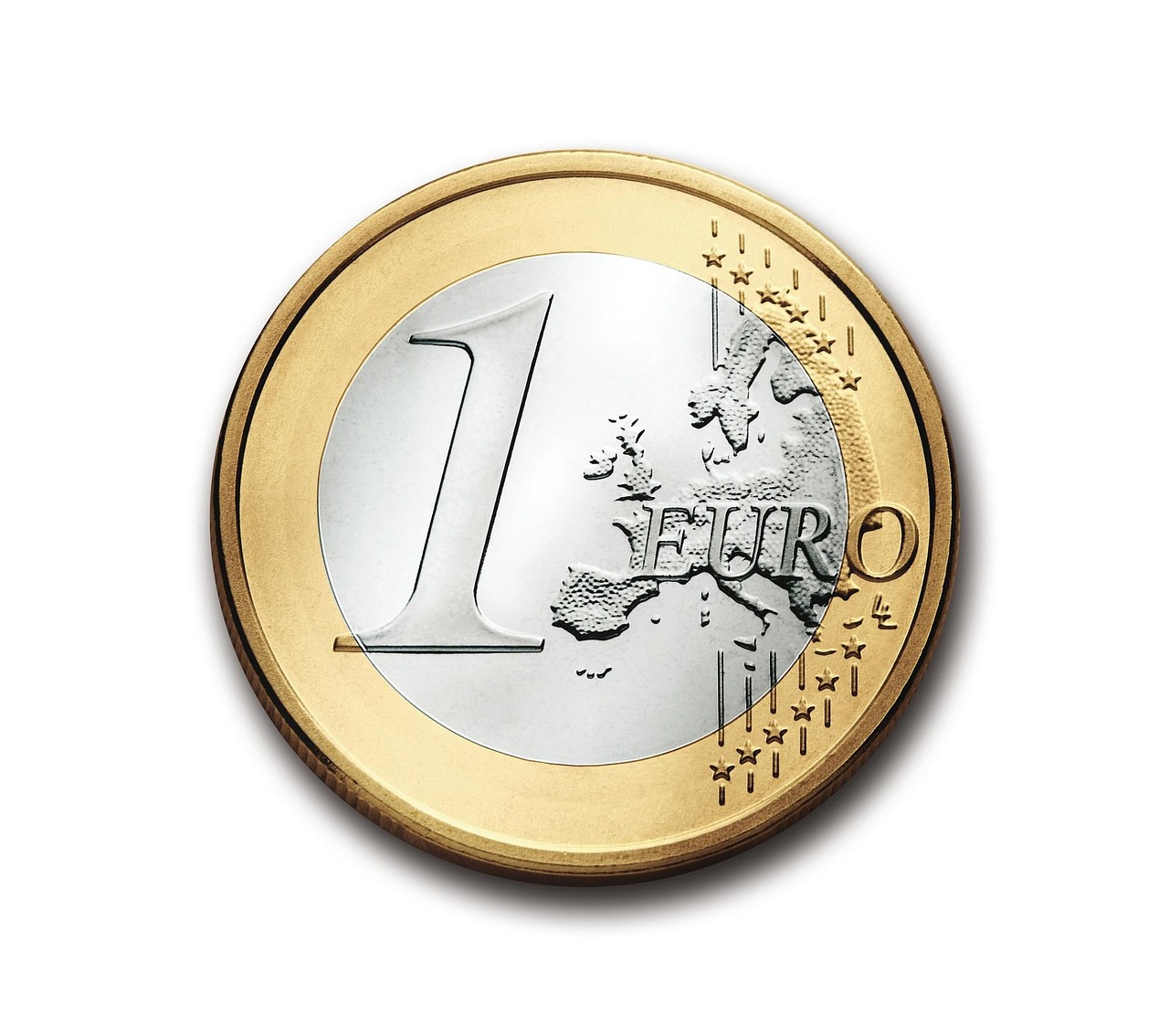
As the sun rises over Europe’s financial districts, a new wave of investment strategies is beginning to take shape. Green finance, a term that encapsulates financial investments flowing into sustainable and environmentally friendly projects, is gaining traction across the continent. However, beneath the surface of this promising trend lie significant challenges that could impede its progress.
The current landscape of green finance in Europe is characterized by an increasing number of funds and initiatives aimed at supporting sustainable development. The European Union has been at the forefront, implementing a comprehensive framework that encourages green investments. This includes the EU Green Deal and the Sustainable Finance Disclosure Regulation (SFDR), which aim to direct capital flows towards sustainable economic activities. Despite these efforts, the journey towards a universally green financial system is fraught with obstacles.
One of the primary challenges facing green finance is the lack of standardized definitions and metrics. What exactly constitutes a ‘green’ investment can vary significantly across regions and sectors, leading to confusion and inconsistency. This lack of clarity can result in greenwashing, where investments are marketed as sustainable without meeting rigorous environmental criteria. The absence of a unified taxonomy complicates efforts to assess and compare the sustainability of different financial products.
Moreover, the transition to green finance is hindered by the existing financial infrastructure. Traditional financial systems are deeply entrenched, often prioritizing short-term gains over long-term sustainability. This systemic inertia makes it difficult for green initiatives to gain a foothold. Additionally, many investors are still skeptical about the profitability of sustainable investments, perceiving them as risky or less lucrative compared to conventional options.
Another significant limitation is the uneven distribution of green finance across Europe. While countries like Germany and the Nordic nations have made substantial progress in integrating sustainable practices, others lag behind due to economic and regulatory disparities. This imbalance poses a challenge to achieving a cohesive and effective green finance strategy across the continent.
The role of technology and innovation in overcoming these challenges cannot be overstated. Advancements in fintech, such as blockchain and artificial intelligence, have the potential to enhance transparency and efficiency in green finance. These technologies can help track and verify the environmental impact of investments, thus building trust and credibility in the market.
Despite these hurdles, the future of green finance in Europe holds promising opportunities. As awareness of climate change grows, so does the demand for sustainable financial products. Investors are increasingly recognizing the long-term benefits of aligning their portfolios with environmental goals. Furthermore, regulatory pressures and societal expectations are likely to drive more companies towards sustainable practices, thereby expanding the scope of green finance.
In conclusion, while the rise of green finance in Europe is a step in the right direction, it is not without its challenges. Addressing the issues of standardization, infrastructure, and regional disparities will be crucial in unlocking the full potential of sustainable investments. As Europe navigates these complexities, the outcome will not only shape the future of its financial markets but also its commitment to a sustainable global economy.
-
 Science & Technology1 year ago
United Chargers Announces Full Integration and Multi-App Capability for Grizzl-E EV Charging Stations With ev.energy
-

 Entertainment & Arts1 week ago
Drake’s ‘Iceman’: A Streaming Chart-Busting Success Story
-
 Entertainment & Arts1 year ago
OXYGEN FILMS ANNOUNCES NEW FILM ‘NOSEBLEED’ — A BOLD QUEER THRILLER THAT PEERS INTO THE DIGITAL ABYSS.
-
 Science & Technology1 year ago
Skype Officially Shut Down by Microsoft: End of an Era for Internet Calling
-
 Business & Finance11 months ago
Apple Appeals €500 Million EU Antitrust Fine: A High-Stakes Battle Over App Store Rules
-
 Environment & Nature1 year ago
SK tes Expands Global ITAD and Data Center Capabilities with New Facility in Ireland
-
Environment & Nature1 year ago
SK tes Launches New Circular IT Facility in Shannon, Expanding Ireland’s Role in Global Sustainable Tech Services
-
 Science & Technology1 year ago
Empowering Research: Sirius Fine Chemicals Boosts Product Credibility With Bioz AI-Driven Citation Badges