
Entertainment & Arts
Life or Death on your walk: Why Britons are calling for thousands of new paths


[ad_1]

Planning a walk? This winter break millions of people will be stretching their legs but might be taking their lives in their hands.
Imagine for a moment you want to walk home from visiting family, a pub, place of worship, hospital, school or shop.
The problem is, the only way to go means walking on narrow or busy roads that are surrounded by privately owned fields. There is no pavement or footpath.
Should walking down the road be your only option?
A new ground-breaking poll for Slow Ways has found that the majority of people in the country think it shouldn’t be.
7 in 10 UK adults (71%) think that it should be allowed to walk along the edge of fields that are privately owned, as long as they are respectful and responsible, if the only other option is to walk down a narrow or busy road with no pavement or legal footpath.
“Going for a walk in the countryside can mean risking narrow lanes, blind bends and fast vehicles,” explained Dan Raven-Ellison, founder and CEO of Slow Ways.
“According to the Department for Transport, two pedestrians die and 34 are seriously injured by vehicles on rural roads each week.
The government can save thousands of lives and bring millions of people so much joy by ensuring there is always a safe way to walk.”
The poll also found widespread support for an extensive upgrade to paths and access in the UK.
According to the poll by YouGov, 70% of people support the creation of a national walking network that enables people to safely walk to any address in the UK, with new paths and walking routes being created on private land where necessary.
Slow Ways is a grassroots initiative to develop a national walking network that Raven-Ellison started in 2020.
“Slow Ways is founded on the principle that we should always be able to walk safely and enjoyably to the places we need to get to. We have that expectation for driving places. We should have the same expectation for walking, which is the healthiest, greenest, most inclusive, most affordable and – I think – most enjoyable way of getting around.
“We know there is a need for this. Over the last three years thousands of volunteers have been helping to develop the Slow Ways national walking network. Thanks to their efforts, making use of existing rights of way, we have mapped thousands of walking routes that connect Britain’s towns, cities and national landscapes.
“We know from our work that there are no safe or reasonable footpaths to thousands of Britain’s shops, pubs, schools, villages and homes. The only option people have is to walk alongside traffic on roads and lanes – many of which have replaced the paths people used to travel on foot.
“Like many people, I have experienced the dangers of narrow lanes, fast cars and large lorries first-hand.
“The current situation is no-good for walkers or drivers, neither of whom want to surprise or scare each other at any time of the year.
“The government can make walking places safer and more direct, enjoyable and inclusive for us all.
While hikers would benefit from improved access, the people who would benefit most of all would be the 10 million people who live in the countryside and feel these issues day-in-day-out. Many people who live in rural areas are surrounded by fields, but effectively live on islands that they can only venture in or out of by car.”
The poll suggests that intervention to make walking safer would not only be popular but would also benefit large numbers of people.
40% of respondents said they were likely to walk more if such a walking network existed. Slow Ways calculated that, projected nationally, that could mean helping 27 million people (40% of the UK’s population) to walk more.
“What a gift to the nation it would be if the government ensured there was always a safe way for people to walk home, see loved ones, be healthy or enjoy connecting with nature.
“Walking can improve our health, save us money, tackle the climate crisis and spread money through the economy. Not helping people to walk to where they want to go just doesn’t make sense!
“It would be a wonderful and inspiring legacy that people could enjoy for generations to come.
Slow Ways is calling on the government to work with people, groups and organisations across the country to develop an inclusive, extensive and easy to follow national walking network, including this big upgrade in access.
They are inviting the public to help by signing up to volunteer with Slow Ways by sharing and checking possible walking routes between towns and cities, an effort they will be intensifying by connecting more places across the country later in 2025.
You can find out more and contribute to Slow Ways on their website www.slowways.org.
[ad_2]
Source link






Entertainment & Arts
Ed Sheeran Tour Faces Backlash as Support Acts Quit Over Macklemore’s Removal
Four support acts, including Finneas and Lukas Graham, quit Ed Sheeran’s US tour after promoters dropped Macklemore over a “Free Palestine” remark.

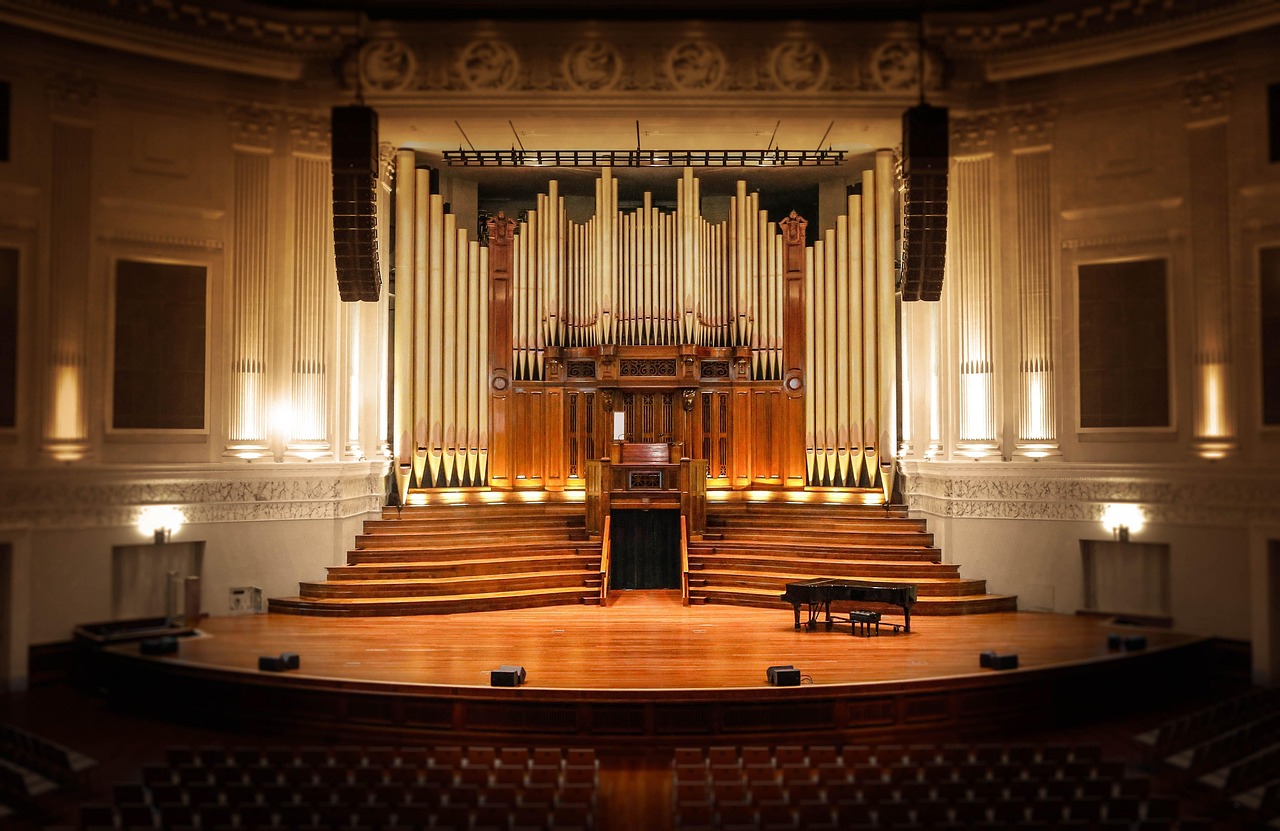
Ed Sheeran’s North American Loop Tour has been thrown into disarray after four supporting acts withdrew in solidarity with Macklemore, who was dropped from the tour’s opening slot over pro-Palestinian comments he made on stage.
The row began at the September 5 show at New Jersey’s MetLife Stadium, where Macklemore exclaimed “Free Palestine!” while introducing his protest song “Hind’s Hall”. He later said that several US venues had told the tour’s promoters they would prohibit him from performing. He had been scheduled to appear at eight of Sheeran’s ten remaining stadium dates.
Sheeran responded on Instagram on Tuesday, distancing himself from the decision. “Macklemore coming off tour was the promoter’s decision; it was not mine,” he wrote, adding that he had allowed the rapper to perform a set list of his choosing, as with all his support acts, and that he would not abandon fans, crew or the other musicians who rely on the tour for work.
Within hours, Irish singer Aaron Rowe, Irish band Beoga, Danish band Lukas Graham and Finneas all announced on Instagram that they were withdrawing. Rowe and Lukas Graham had been lined up as Macklemore’s replacements for the remaining US dates; Beoga had been performing several songs with Sheeran mid-set; and Finneas, Billie Eilish’s brother and collaborator, was due to join the South American leg later this year.
The departures leave Sheeran’s team with significant logistical gaps ahead of the tour’s resumption in Philadelphia, and have widened a debate about the limits on political expression on stage and the role promoters and venues play in deciding who performs.
It remains unclear whether new support acts will be recruited for the remaining dates.
Sources: AP via InDaily; 1News; TNND.
Entertainment & Arts
Thomas Hardy Collection Gains Prestigious Arts Council Recognition
Thomas Hardy’s collection in Dorset receives national recognition from Arts Council England, underscoring its cultural significance.
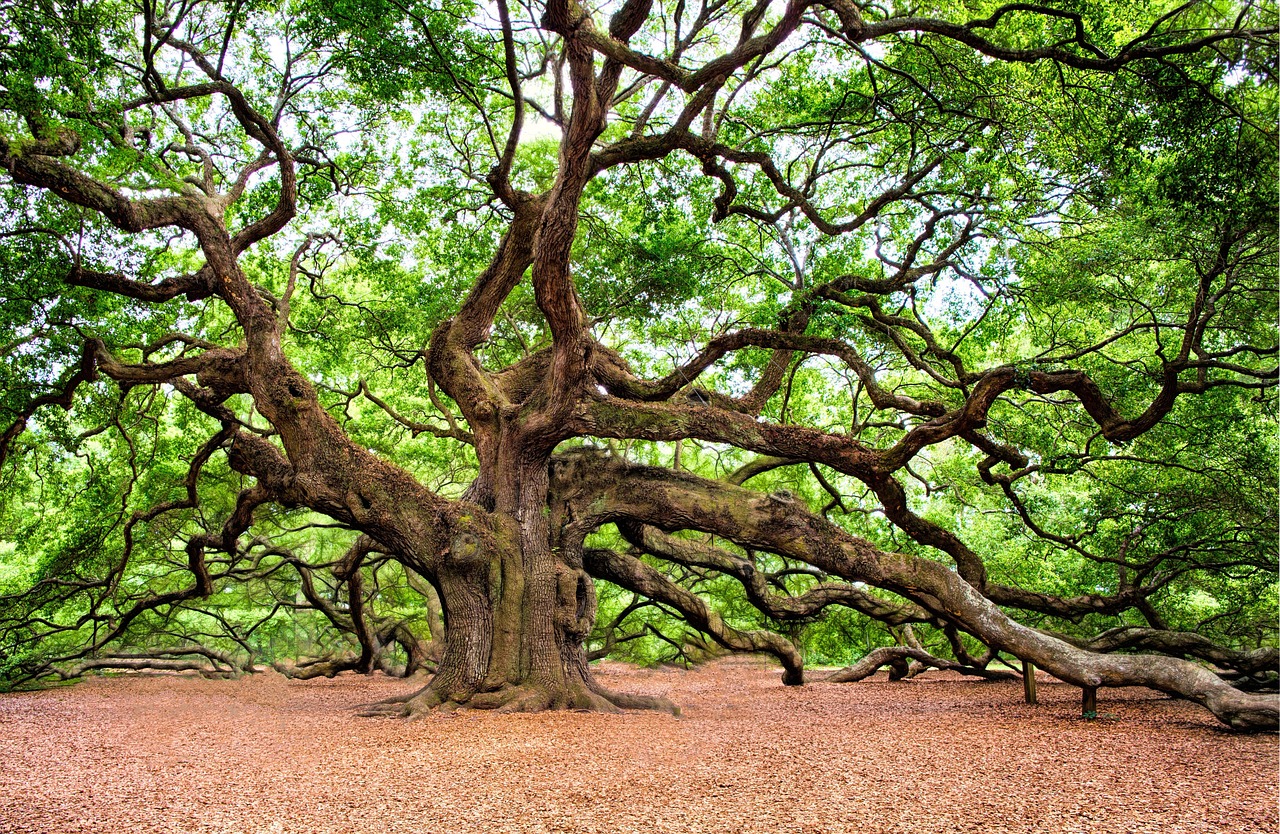
Dorset Museum and Art Gallery’s Thomas Hardy Memorial Collection – the world’s largest collection dedicated to the writer and poet, including manuscripts, notebooks, correspondence, artworks and even Hardy’s study – has been awarded Designated status by Arts Council England. It is one of a record nine collections added to the Designation Scheme at the panel’s latest meeting, announced in September 2026; only two collections achieved the status in 2025. The designation marks a pivotal moment for the collection, emphasizing its national significance and the enduring legacy of Hardy’s literary contributions.
Arts Council England’s designation is not merely an honorific; it is a testament to the collection’s outstanding value to the nation. Such recognition is part of a larger initiative aimed at highlighting and preserving culturally and historically important collections across the UK. The Council’s selection criteria are rigorous, ensuring that only collections of the highest merit receive acknowledgment. This involves assessing the collection’s relevance, historical significance, and its potential to engage the public and scholars alike.
Dorset Museum plays a crucial role in maintaining and showcasing this collection, with much of the Hardy archive held on deposit at the Dorset History Centre in Dorchester, where it is free to view by appointment. The museum’s efforts to preserve Hardy’s manuscripts, letters, and personal artifacts have been instrumental in achieving this designation. This recognition places the museum among esteemed institutions that have been entrusted with the care of the nation’s cultural treasures. Not only does it elevate the museum’s profile, but it also attracts scholars, literary enthusiasts, and tourists, further solidifying its status as a center for cultural heritage.
The Arts Council’s decision to highlight the Hardy collection is part of a broader movement to recognize and support collections that contribute to the UK’s cultural tapestry. The initiative seeks to bring attention to collections that might otherwise remain underappreciated, ensuring their preservation for future generations. This aligns with the Council’s commitment to fostering a deeper appreciation for cultural and historical assets, thereby enriching the nation’s collective memory.
The inclusion of the Hardy collection in this prestigious group of recognized archives is reflective of Hardy’s enduring influence on literature and culture. His works, which vividly capture the essence of rural England and the complexities of human experience, continue to resonate with audiences today. The collection offers a unique insight into Hardy’s life and inspiration, making it a vital resource for understanding the context and impact of his writings.
The recognition by Arts Council England not only celebrates Hardy’s legacy but also underscores the importance of preserving such collections for educational and cultural enrichment. It highlights the need for ongoing support and investment in the arts, ensuring that future generations have access to these invaluable resources. The designation serves as a call to action for stakeholders, including educational institutions, government bodies, and private benefactors, to contribute to the preservation and promotion of cultural heritage.
As the Dorset museum prepares to celebrate this achievement, it anticipates an increase in visitor numbers and interest in its exhibits. The recognition provides a platform to expand its educational programs and outreach initiatives, fostering a greater understanding and appreciation of Hardy’s work. This is a significant opportunity for the museum to further cement its role as a custodian of cultural heritage and a beacon for literary scholarship.
Looking ahead, the designation by Arts Council England is expected to open new avenues for collaboration and funding, enabling the Dorset museum to enhance its offerings and reach a wider audience. This recognition not only elevates the status of the Hardy collection but also reinforces the importance of preserving and promoting the nation’s cultural artifacts. As the museum embarks on this new chapter, it stands as a testament to the enduring legacy of Thomas Hardy and the power of literature to transcend time and space.
Entertainment & Arts
‘Practical Magic 2’ Enchants Box Office with Strong Debut
‘Practical Magic 2’ opens at No. 1 with an estimated $30M in North America and about $46M worldwide.

On the weekend of September 11–13, 2026, Warner Bros.’ ‘Practical Magic 2’, reuniting Sandra Bullock and Nicole Kidman as sisters Sally and Gillian Owens, opened at No. 1 at the North American box office with an estimated $30 million from 4,146 theatres, ending the six-weekend run of ‘Spider-Man: Brand New Day’ at the top. The sequel to the 1998 film added about $16 million from 77 international markets, for a worldwide opening of roughly $46 million, according to Associated Press estimates. Audiences were warmer than critics: the film drew a 92% Rotten Tomatoes audience score against a 39% critics’ score. The film’s enchanting performance at the box office is a testament to its widespread appeal and the enduring charm of the original film.
The success of ‘Practical Magic 2′ can be attributed to a combination of factors. Nostalgia played a significant role in drawing audiences to theaters, as fans of the original film eagerly anticipated the continuation of the Owens sisters’ magical journey. The sequel’s marketing campaign capitalized on this sentiment, highlighting beloved elements from the first film while promising fresh twists and new spells. This approach successfully attracted both returning fans and new viewers, expanding the film’s audience.
For fans, ‘Practical Magic 2’ aims to strike a balance between honoring its predecessor and introducing new storylines, though critics were less convinced. This balance is crucial for sequels, as it allows them to resonate with existing fans while still being accessible to newcomers. The film’s blend of romance, fantasy, and drama, set against a backdrop of witchcraft and family dynamics, offers something for everyone. It is a magical formula that has evidently worked at the box office.
The cast of ‘Practical Magic 2’ also contributed to its success. The return of Sandra Bullock and Nicole Kidman in their original roles brought an added layer of excitement to the film for fans of the first instalment. This continuity provided a sense of familiarity and comfort for fans, enhancing the film’s appeal.
Moreover, the film’s visual effects are central to its appeal, bringing its magical elements to life. These effects are not just eye candy; they are seamlessly integrated into the narrative, reinforcing the film’s themes and emotional beats.
The timing of ‘Practical Magic 2’s release also played a role in its box office triumph. With its release falling just before the Halloween season, the film tapped into a natural increase in audience interest in supernatural and fantasy themes. This strategic timing likely contributed to its strong opening weekend performance, as viewers sought out entertainment that aligned with the seasonal mood.
As the film continues its theatrical run, its performance will be closely watched by industry analysts. The strong opening numbers suggest a promising future, with potential to maintain its momentum through word of mouth and repeat viewings. The film’s reception highlights the enduring appeal of stories that blend magic with relatable human experiences, tapping into universal themes of love, family, and self-discovery.
Looking ahead, ‘Practical Magic 2’ sets a high bar for future sequels and adaptations within the genre. Its success demonstrates the commercial viability of films that strike a balance between nostalgia and innovation. For studios, this serves as a reminder of the importance of understanding and leveraging audience sentiment in crafting compelling narratives. As the film continues to enchant viewers worldwide, it stands as a testament to the power of well-told stories and the magic of cinema.
-
 Business & Finance2 years ago
Xella achieves significant progress in CO₂ emissions reduction, circular economy, and occupational safety
-

 Entertainment & Arts5 months ago
Drake’s ‘Iceman’: A Streaming Chart-Busting Success Story
-
 Environment & Nature2 years ago
SK tes Launches New Circular IT Facility in Shannon, Expanding Ireland’s Role in Global Sustainable Tech Services
-

 Science & Technology5 months ago
Apple’s AI Innovations: Shaping the Competitive Landscape in 2026
-

 Business & Finance5 months ago
AI Revolutionizes Cryptocurrency Trading with Real-Time Analysis
-

 Business & Finance5 months ago
The Rise of Green Finance in Europe: Challenges and Limitations
-

 Entertainment & Arts5 months ago
The Cinematic Legacy of Michael Jackson: A Biopic Unveiled
-
 Business & Finance5 months ago
EU’s Regulatory Shift: A Boon for Small Tech Firms