
Entertainment & Arts
Curry Renaissance: How British Indian Restaurants Thrived in 2024, from Local Curry Houses to the Nation’s Top 100


[ad_1]
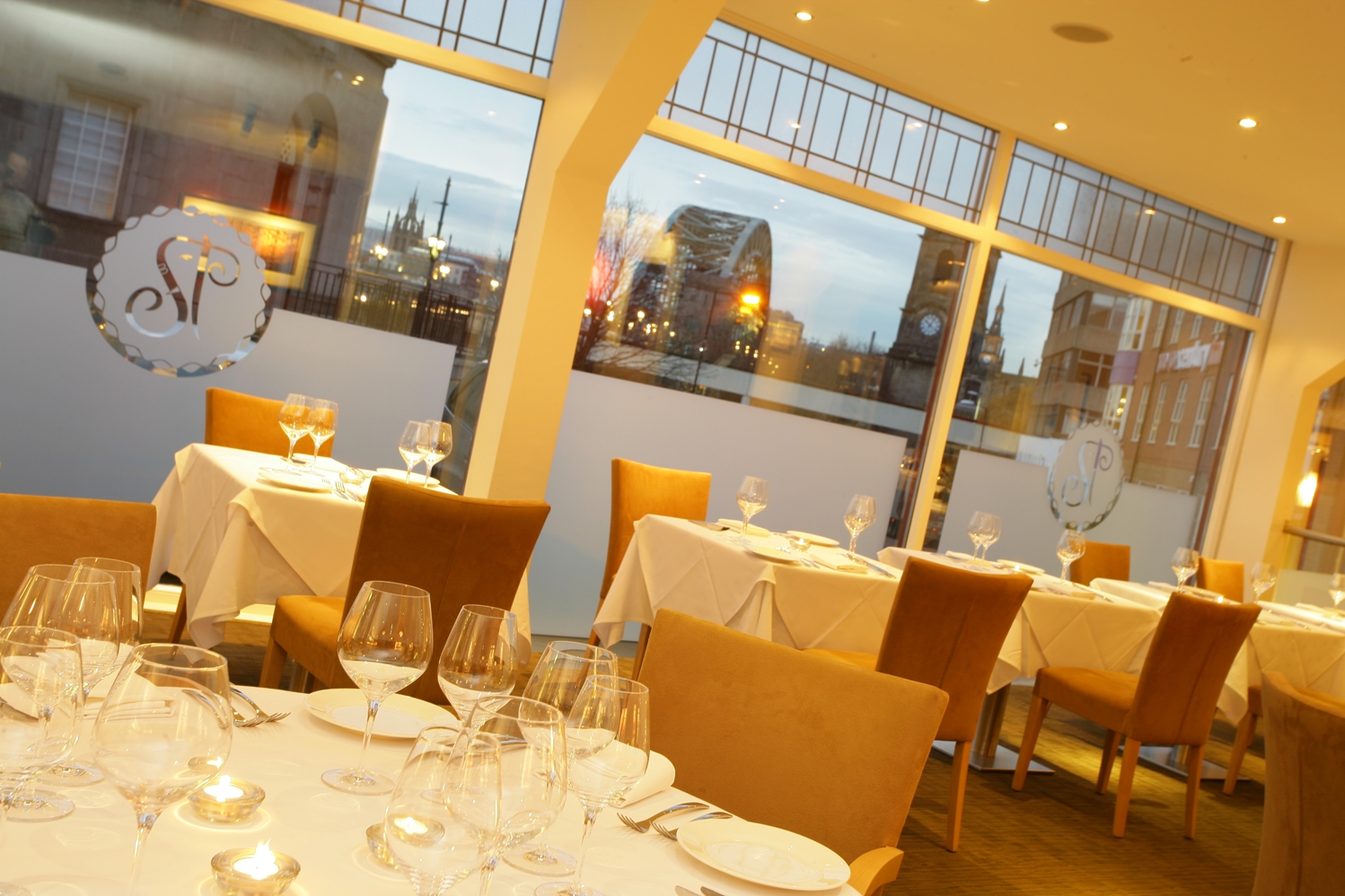
In a year that began with fears of a “curry crisis,” British Indian restaurants have not just survived—they have thrived. Following the release of its Top 100 Best Indian Restaurants list earlier this month, the British Indian Good Food Guide reports record-breaking bookings across the country. From beloved local curry houses to Michelin-starred icons, diners have embraced the innovation, authenticity, and diversity that define the modern Indian dining experience.
To view the full Top 100 Best Indian Restaurants, Visit: BritishIndianGoodFoodGuide.com
2024: A Year of Culinary Transformation
Indian restaurants across Britain have experienced an extraordinary resurgence, with diners flocking to celebrate the best of the industry. Among the highlights:
-
Raval Indian Brasserie – Newcastle Gateshead: A trailblazer in the North East, Raval has transformed perceptions of Indian cuisine in the region and beyond. Frequently recognised as one of the finest Indian restaurants outside London, it has earned a well-deserved spot in the Top 100. Its innovative tasting menus have captivated diners, resulting in waiting lists that now stretch into early 2025, firmly establishing Raval as a leader in modern Indian dining.
“Sensational food, service and all around vibes. Short walk across the Tyne from our hotel. 10/10 would recommend!” – Christian Mehalic, Google Reviews
-
Dishoom Manchester: Known for its nostalgic take on Bombay’s Irani cafés, Dishoom has become a cornerstone of the North West’s food scene. With a menu that blends bold flavours with timeless charm, Dishoom continues to win over diners and secure its place as one of the UK’s most beloved Indian dining destinations.
“Wow, our first visit and certainly won’t be the last… The food was just something very special, and the atmosphere was perfect.” – Mari, Google Reviewse Gungor
-
Asha’s Birmingham: Combining traditional recipes with fine dining finesse, Asha’s remains a standout in the Midlands. Its dedication to flavour and innovation, paired with exceptional service, has made it a must-visit destination for Indian food lovers across the country.
“It was a wonderful experience. The food was sumptuous, and the service too was excellent. I love the ambiance.” – Tanya Thakur, Google Reviews
-
Quilon London: A Michelin-starred gem, Quilon has set the benchmark for South Indian cuisine. Renowned for its refined approach to regional dishes, it continues to draw both local diners and international visitors seeking a world-class Indian dining experience.
“Some of the best food I’ve ever had! They also make incredible cocktails! If you’ve never had Southern Indian seafood, this place is definitely worth a try!” – Rhys Gray, Google Review
A Call to Action: Support Local Curry Houses and Celebrate Excellence
While fine dining Indian restaurants have flourished, British curry houses remain the backbone of the nation’s Indian dining scene. These family-run establishments, which brought Chicken Tikka Masala into the hearts of Britons, are adapting to modern tastes, offering lighter dishes and regional specialties alongside beloved classics.
Alan Brown, Marketing Manager of the British Indian Good Food Guide, said:
“Local curry houses are cultural landmarks, cherished by their communities for generations. Supporting these establishments is about more than preserving history—it’s about ensuring their place in Britain’s culinary future.”
The Guide also encourages diners to explore its Top 100 Best Indian Restaurants, which showcase the cutting-edge innovation and diversity shaping Indian dining today.
From Crisis to Culinary Renaissance
In 2020, reports warned of an “unprecedented decline” in the curry house sector, citing closures and shifting diner preferences. Millennials and health-conscious eaters began favouring lighter, regional, and street food-inspired dishes, challenging the traditional curry house model.
Four years later, this shift has driven innovation across the sector:
-
30% Growth: Deliveroo reports a significant year-on-year increase in demand for lighter Indian dishes, such as vegan curries and street food-inspired options.
-
£4 Billion Contribution: Indian restaurants contribute significantly to the UK economy, employing over 100,000 people.
-
Regional Diversity: Restaurants are embracing the breadth of Indian cuisine, showcasing specialties from Punjab, Kerala, Gujarat, and beyond.
Brown added:
“This is not just a recovery story—it’s a transformation. Indian restaurants have embraced change while staying true to their roots, creating experiences that are exciting, authentic, and relevant to modern diners.”
Historic Roots, Modern Innovation
Indian cuisine in Britain has a rich history:
-
1810: The UK’s first Indian restaurant, The Hindoostanee Coffee House, opened in London.
-
1926: Veeraswamy, Britain’s oldest surviving Indian restaurant, was established.
-
1970s-80s: Curry houses became a cultural phenomenon, with Chicken Tikka Masala declared “Britain’s National Dish.”
-
2020s: A new golden age emerges, blending tradition with cutting-edge innovation.
Today, restaurants like Raval, Dishoom, Asha’s, and Quilon are leading the charge, proving that the UK remains a global leader in modern Indian cuisine.
What’s Next for Indian Dining?
As we look to 2025, the British Indian Good Food Guide sees even greater opportunities for the industry. With diners embracing diverse, healthier options and restaurants pushing the boundaries of creativity, Indian cuisine is poised for continued growth.
Alan Brown concluded:
“From your local curry house to the country’s finest Indian restaurants, there has never been a better time to explore the incredible depth and diversity of Indian dining in Britain.”
Key Facts and Figures
-
10,000+ Indian restaurants operate across the UK, contributing £4 billion annually to the economy.
-
The sector employs more than 100,000 people, supporting communities nationwide.
-
Deliveroo reports a 30% increase in demand for lighter Indian dishes, reflecting evolving diner preferences.
-
Booking surges at Top 100 establishments highlight the growing appeal of innovative Indian dining experiences.
About British Indian Good Food Guide
The British Indian Good Food Guide is the UK’s leading authority on Indian dining. Through curated listings, annual awards, and features on exceptional restaurants, the Guide celebrates the chefs and establishments shaping the future of Indian cuisine in Britain.
To view the full Top 100 Best Indian Restaurants, visit: British Indian Good Food Guide
For media inquiries please contact:
Alan Brown
Marketing Manager
Email: [email protected]
[ad_2]
Source link






Entertainment & Arts
Alexander Payne Faces Plagiarism Allegations Over ‘The Holdovers’
Alexander Payne is sued for plagiarism over ‘The Holdovers’, raising intellectual property concerns in film.


Alexander Payne, the acclaimed director known for his unique storytelling, finds himself embroiled in controversy as he faces allegations of plagiarism concerning his Oscar-winning drama, ‘The Holdovers.’ The lawsuit, filed by the screenwriter of ‘Luca,’ accuses Payne of lifting significant portions of the script for his own film. The case was brought to public attention on October 28, 2026, as reported by The Hollywood Reporter.
The allegations are particularly striking given Payne’s esteemed position in the film industry, where he has been celebrated for his original narratives and character-driven plots. ‘The Holdovers’ has been one of Payne’s most notable achievements, earning critical acclaim and numerous accolades, including an Oscar. The accusations, therefore, cast a shadow over this success, raising questions about the originality of the work and Payne’s creative process.
As the lawsuit unfolds, it brings to light the broader issue of intellectual property rights within the entertainment sector. The film industry has long been a battleground for such disputes, with creators seeking recognition and protection for their original ideas. This case emphasizes the ongoing challenges and complexities surrounding artistic ownership and the potential legal ramifications of alleged infringement.
Payne has yet to make a public statement regarding the accusations. This silence leaves room for speculation and concern among his fans and peers, who are eager to hear his side of the story. The lack of a response also fuels media attention and public discourse, as stakeholders in the film community await further developments.
The lawsuit could have significant repercussions for Payne’s career. As noted by The Hollywood Reporter, his reputation, carefully built over years of successful projects, could suffer irreparable damage if the allegations are proven true. This situation might also influence his ability to secure future projects, as producers and investors may hesitate to collaborate with someone facing such serious accusations.
This legal battle also serves as a reminder of the importance of maintaining integrity and respect for creative works within the artistic community. It underscores the ethical responsibilities that come with storytelling and the potential consequences of disregarding these principles. For Payne, the outcome of this case will likely define his legacy in the industry.
While the immediate impact of the lawsuit is on Payne’s personal and professional life, it also has broader implications for the film industry. It could prompt studios and filmmakers to re-evaluate their practices around script development and collaboration, ensuring that proper credit and compensation are given to original creators.
As the case progresses, it will be closely monitored by those within and outside the film industry. The resolution, whether in court or through a settlement, will likely set a precedent for how similar disputes are handled in the future, potentially influencing policies and attitudes towards intellectual property rights.
The next steps in this legal saga will be crucial, with Payne’s response and the court’s findings expected to shape the narrative. Observers will be watching to see how Payne navigates this challenging chapter, as the stakes are high for both his career and the broader conversation on intellectual property in the arts.
Entertainment & Arts
Ed Sheeran Tour Faces Backlash as Support Acts Quit Over Macklemore’s Removal
Four support acts, including Finneas and Lukas Graham, quit Ed Sheeran’s US tour after promoters dropped Macklemore over a “Free Palestine” remark.

Ed Sheeran’s North American Loop Tour has been thrown into disarray after four supporting acts withdrew in solidarity with Macklemore, who was dropped from the tour’s opening slot over pro-Palestinian comments he made on stage.
The row began at the September 5 show at New Jersey’s MetLife Stadium, where Macklemore exclaimed “Free Palestine!” while introducing his protest song “Hind’s Hall”. He later said that several US venues had told the tour’s promoters they would prohibit him from performing. He had been scheduled to appear at eight of Sheeran’s ten remaining stadium dates.
Sheeran responded on Instagram on Tuesday, distancing himself from the decision. “Macklemore coming off tour was the promoter’s decision; it was not mine,” he wrote, adding that he had allowed the rapper to perform a set list of his choosing, as with all his support acts, and that he would not abandon fans, crew or the other musicians who rely on the tour for work.
Within hours, Irish singer Aaron Rowe, Irish band Beoga, Danish band Lukas Graham and Finneas all announced on Instagram that they were withdrawing. Rowe and Lukas Graham had been lined up as Macklemore’s replacements for the remaining US dates; Beoga had been performing several songs with Sheeran mid-set; and Finneas, Billie Eilish’s brother and collaborator, was due to join the South American leg later this year.
The departures leave Sheeran’s team with significant logistical gaps ahead of the tour’s resumption in Philadelphia, and have widened a debate about the limits on political expression on stage and the role promoters and venues play in deciding who performs.
It remains unclear whether new support acts will be recruited for the remaining dates.
Sources: AP via InDaily; 1News; TNND.
Entertainment & Arts
Thomas Hardy Collection Gains Prestigious Arts Council Recognition
Thomas Hardy’s collection in Dorset receives national recognition from Arts Council England, underscoring its cultural significance.
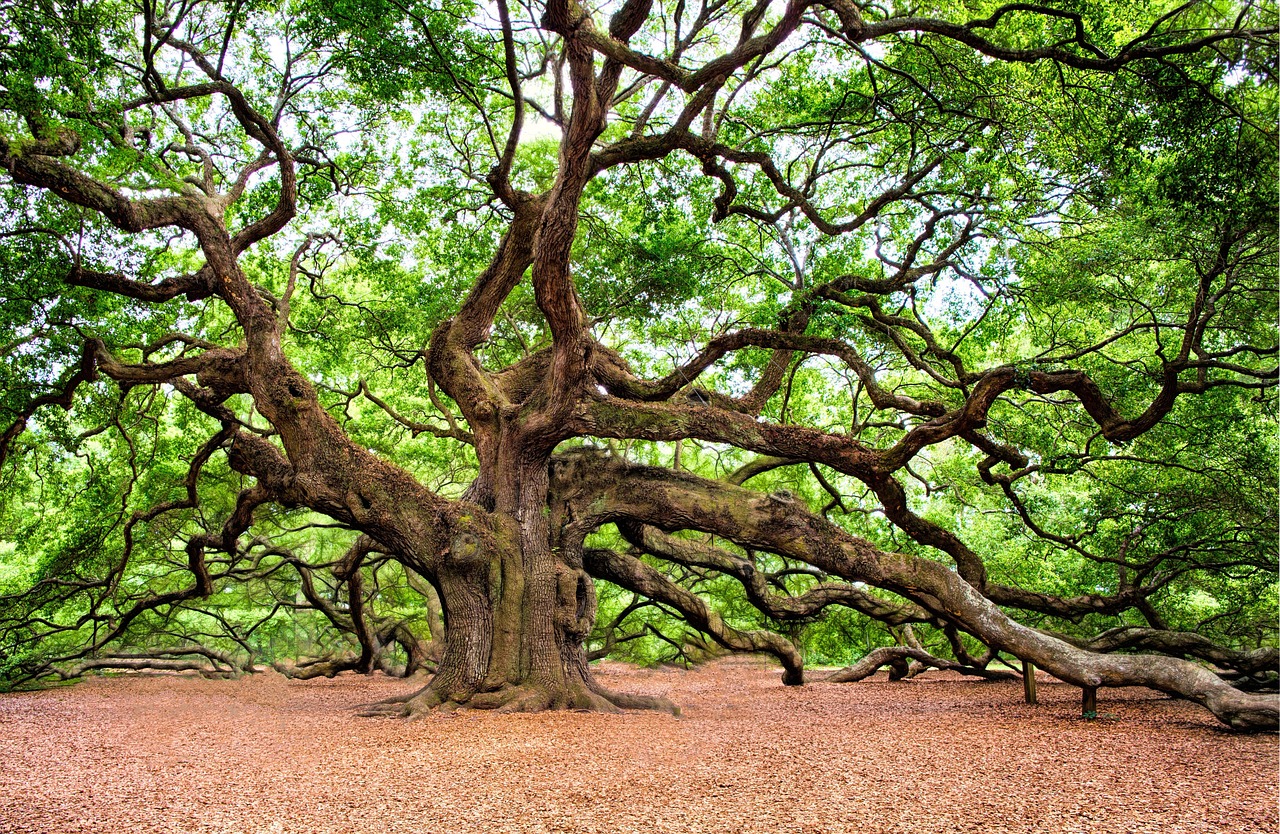
Dorset Museum and Art Gallery’s Thomas Hardy Memorial Collection – the world’s largest collection dedicated to the writer and poet, including manuscripts, notebooks, correspondence, artworks and even Hardy’s study – has been awarded Designated status by Arts Council England. It is one of a record nine collections added to the Designation Scheme at the panel’s latest meeting, announced in September 2026; only two collections achieved the status in 2025. The designation marks a pivotal moment for the collection, emphasizing its national significance and the enduring legacy of Hardy’s literary contributions.
Arts Council England’s designation is not merely an honorific; it is a testament to the collection’s outstanding value to the nation. Such recognition is part of a larger initiative aimed at highlighting and preserving culturally and historically important collections across the UK. The Council’s selection criteria are rigorous, ensuring that only collections of the highest merit receive acknowledgment. This involves assessing the collection’s relevance, historical significance, and its potential to engage the public and scholars alike.
Dorset Museum plays a crucial role in maintaining and showcasing this collection, with much of the Hardy archive held on deposit at the Dorset History Centre in Dorchester, where it is free to view by appointment. The museum’s efforts to preserve Hardy’s manuscripts, letters, and personal artifacts have been instrumental in achieving this designation. This recognition places the museum among esteemed institutions that have been entrusted with the care of the nation’s cultural treasures. Not only does it elevate the museum’s profile, but it also attracts scholars, literary enthusiasts, and tourists, further solidifying its status as a center for cultural heritage.
The Arts Council’s decision to highlight the Hardy collection is part of a broader movement to recognize and support collections that contribute to the UK’s cultural tapestry. The initiative seeks to bring attention to collections that might otherwise remain underappreciated, ensuring their preservation for future generations. This aligns with the Council’s commitment to fostering a deeper appreciation for cultural and historical assets, thereby enriching the nation’s collective memory.
The inclusion of the Hardy collection in this prestigious group of recognized archives is reflective of Hardy’s enduring influence on literature and culture. His works, which vividly capture the essence of rural England and the complexities of human experience, continue to resonate with audiences today. The collection offers a unique insight into Hardy’s life and inspiration, making it a vital resource for understanding the context and impact of his writings.
The recognition by Arts Council England not only celebrates Hardy’s legacy but also underscores the importance of preserving such collections for educational and cultural enrichment. It highlights the need for ongoing support and investment in the arts, ensuring that future generations have access to these invaluable resources. The designation serves as a call to action for stakeholders, including educational institutions, government bodies, and private benefactors, to contribute to the preservation and promotion of cultural heritage.
As the Dorset museum prepares to celebrate this achievement, it anticipates an increase in visitor numbers and interest in its exhibits. The recognition provides a platform to expand its educational programs and outreach initiatives, fostering a greater understanding and appreciation of Hardy’s work. This is a significant opportunity for the museum to further cement its role as a custodian of cultural heritage and a beacon for literary scholarship.
Looking ahead, the designation by Arts Council England is expected to open new avenues for collaboration and funding, enabling the Dorset museum to enhance its offerings and reach a wider audience. This recognition not only elevates the status of the Hardy collection but also reinforces the importance of preserving and promoting the nation’s cultural artifacts. As the museum embarks on this new chapter, it stands as a testament to the enduring legacy of Thomas Hardy and the power of literature to transcend time and space.
-
 Business & Finance2 years ago
Xella achieves significant progress in CO₂ emissions reduction, circular economy, and occupational safety
-

 Entertainment & Arts6 months ago
Drake’s ‘Iceman’: A Streaming Chart-Busting Success Story
-
 Environment & Nature2 years ago
SK tes Launches New Circular IT Facility in Shannon, Expanding Ireland’s Role in Global Sustainable Tech Services
-

 Science & Technology6 months ago
Apple’s AI Innovations: Shaping the Competitive Landscape in 2026
-

 Business & Finance6 months ago
AI Revolutionizes Cryptocurrency Trading with Real-Time Analysis
-

 Business & Finance5 months ago
EU’s Regulatory Shift: A Boon for Small Tech Firms
-

 Environment & Nature6 months ago
Scotland’s Rewilding Revolution: Ecological Benefits and Global Influence
-

 Entertainment & Arts6 months ago
The Cinematic Legacy of Michael Jackson: A Biopic Unveiled