
Environment & Nature
Live Wildly Celebrates 2024’s Conservation Successes that Support Both People and Nature Across Florida


[ad_1]
TAMPA, Fla., December 16, 2024 (Newswire.com)
–
A new online conservation tracking tool, more than $300 million in conservation funding, a nature-focused outdoor music festival, and the creation of a state-wide celebration honoring Florida’s state parks are just a few of the successes Live Wildly, a non-profit working to advance conservation across Florida, supported in 2024 through partnerships with academic institutions, government leaders, local communities, and others.
Over the past year, Live Wildly has also signed up nearly 12,000 members for its “Join the Movement” campaign, which, in addition to donating $1 to land conservation for every person who joins, also helps people learn more about the important role Florida’s lands and waters play in their daily lives.
“Live Wildly believes that people will protect what they love. That’s why Live Wildly is helping people fall in love with wild Florida and inspiring them to take action to save it,” said Lisa Shipley, Live Wildly’s CEO.
Live Wildly kicked off 2024 by working with state lawmakers and the Florida State Parks Foundation to declare January 31 this year “State Parks Day,” a celebration of Florida’s state parks that draws nearly 30 million visitors each year and generates more than $3 billion in annual revenue.
The Florida State Parks Foundation and Live Wildly also partnered together to host the first-ever “Explore the Corridor Week,” a public volunteering drive held at 40 state parks. The annual event drew more than 300 volunteers across Florida who contributed 1,200 hours of in-service time to such essential activities as removing invasive plants, cleaning up litter, restoring hiking trails, and collecting data on wildlife.
Live Wildly this year also worked with the Florida Natural Areas Inventory, a natural heritage program housed under Florida State University, to launch the Florida Conservation Land Acquisitions database, an online tool that compiles conservation data from government agencies and non-profit organizations. The tool allows people to track the progress of conservation efforts across the state with a focus on the protection of Florida’s Wildlife Corridor.
The Florida Wildlife Corridor was established by state lawmakers in 2021 and is the nation’s largest statewide conservation effort of its kind. Stretching from Florida’s panhandle down to the everglades, the Wildlife Corridor encompasses 18 million acres of wild and working lands. Only about 10 million acres of the Florida Wildlife Corridor are currently conserved, with another 8 million considered “opportunity areas” in need of protection. As Live Wildly works to conserve lands and waters across Florida, its first priority is ensuring the full protection of the Wildlife Corridor.
“Healthy lands and waters are the backbone of Florida’s thriving communities and economies,” said Shipley, adding that the Wildlife Corridor supports 114,000 jobs and generates $30 billion in annual revenue through recreation, tourism, agriculture, forestry, and many other industries. “With more than 1,200 new residents moving to Florida every day, the Wildlife Corridor demonstrates how we can balance the needs of both people and nature.”
Other conservation successes supported by Live Wildly in 2024 include:
-
Working with the Trust for Public Lands to back four ballot measures that secured nearly $350 million in conservation funding for Florida. Voters in Clay, Lake, Osceola, and Martin counties overwhelmingly approved the measures during the November elections, directing funding to such activities as preserving wildlife habitat, expanding outdoor recreational opportunities, and securing clean drinking water.
-
Funding a ground-breaking scientific study conducted by Florida Atlantic University, the Archbold Biological Station, and other collaborators that showed how fully conserving the Florida Wildlife Corridor can help shield local communities from the growing impacts of climate change.
-
Partnering with the Sing Out Loud Music Festival to raise over $160,000 for conservation. Along with enjoying music from headliners Noah Kahan, Eric Church, Nora Jones, JJ Grey, and others, festival attendees had the opportunity to explore Live Wildly’s immersive showcase tent that surrounded concertgoers with the sights and sounds of wild Florida’s lands, waters, and diverse species.
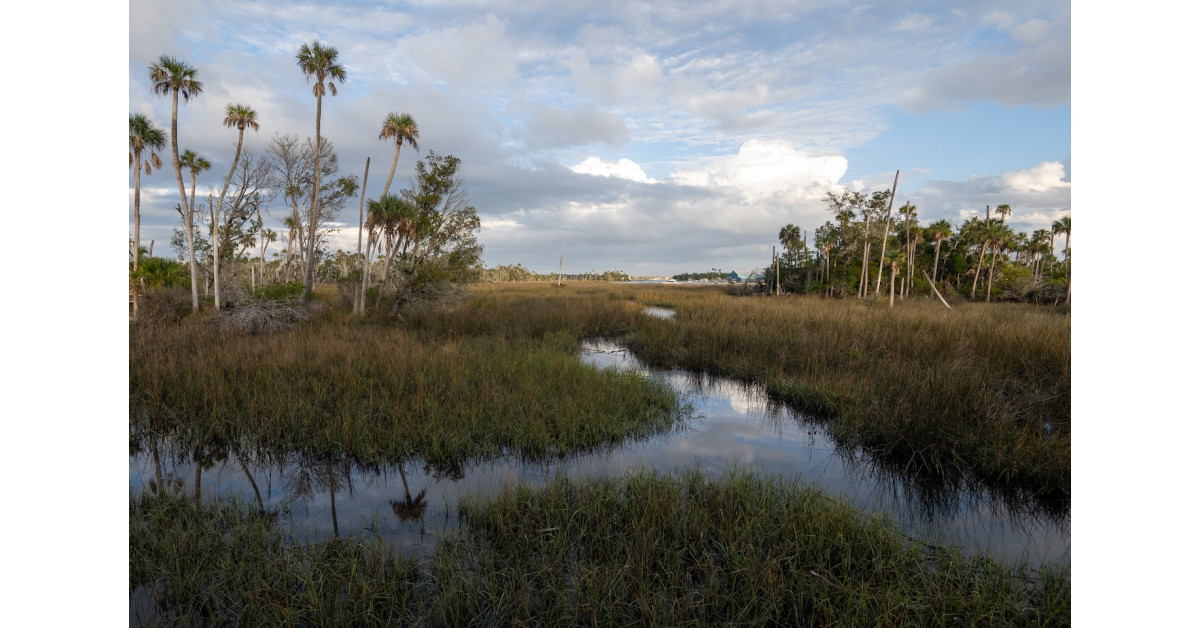
In addition, a new preserve was named this year after Live Wildly’s founder, Arnie Bellini. The Bellini Preserve in Polk County encompasses 639 acres of hardwood forests, scrublands, and freshwater marshlands all within the Wildlife Corridor. Bellini, who originally purchased the property in 2020 to prevent it from being developed, worked with the non-profit Conservation Florida, the Department of Defense, Polk County Natural Lands, and the Florida Department of Environmental Protection to create the preserve and ensure its permanent protection.
ABOUT LIVE WILDLY FOUNDATION
Founded in 2022, the Live Wildly Foundation applies an entrepreneurial approach to protecting wild Florida while seeking to balance smart growth, a robust economy, and a connected, resilient landscape. Through creating diverse coalitions, fostering collaboration, and empowering stakeholders to advance conservation efforts, Live Wildly strives to achieve a harmonious and sustainable future in which economic prosperity coexists with a thriving and resilient ecological landscape. Their first priority is the Florida Wildlife Corridor. This 18-million-acre wildlife superhighway is a model for public-private partnership, citizen advocacy, and grassroots support. Live Wildly encourages people to ‘Join the Movement’ to protect wild Florida. For more information, please visit www.livewildly.com.
Contact Information
Meredith Budd
Director, Strategic Initiatives
[email protected]
239-248-4494
Michelle Yepez
Events Producer
[email protected]
813-416-6641
Source: Live Wildly Foundation
Related Media
[ad_2]
Source link



Environment & Nature
Scotland’s Rewilding Revolution: Ecological Benefits and Global Influence
Scotland’s rewilding initiatives are transforming landscapes and ecosystems, offering ecological benefits and inspiring global conservation efforts. Explore the impact and future prospects of this bold environmental strategy.


In the misty highlands of Scotland, a quiet revolution is taking place. Rewilding, a concept that aims to restore ecosystems to their natural state, has been gaining momentum, transforming vast areas into thriving habitats. This ambitious movement is not only reshaping the Scottish landscape but also providing significant ecological benefits that echo far beyond its borders.
Central to the rewilding efforts are projects like the Cairngorms Connect and Trees for Life, which focus on restoring native forests and reintroducing keystone species such as the Eurasian lynx and beavers. These initiatives aim to enhance biodiversity, improve ecosystem services, and combat climate change by sequestering carbon in regenerating woodlands.
The ecological benefits are manifold. By reintroducing native species, these projects help restore natural processes and food webs, leading to healthier and more resilient ecosystems. The return of beavers, for instance, has been transformative; their dam-building activities create wetlands that support a myriad of plant and animal species, increase water retention, and reduce flood risks.
Moreover, rewilding contributes to soil restoration and enhances carbon capture. As diverse plant communities establish themselves, they improve soil structure and fertility, which in turn supports a broader range of wildlife. This natural regeneration process not only bolsters biodiversity but also plays a critical role in mitigating climate change.
However, the journey is not without its challenges. Critics argue that rewilding can conflict with traditional land uses, such as farming and grouse shooting, which are economically important to local communities. Balancing these interests requires careful negotiation and collaboration between stakeholders to ensure that rewilding projects are both ecologically and socially sustainable.
Looking ahead, Scotland’s rewilding initiatives hold immense potential to inspire similar efforts globally. By demonstrating the ecological and economic viability of rewilding, Scotland could galvanize international conservation strategies and contribute to global biodiversity targets.
As these wild landscapes continue to evolve, they offer a glimpse into a future where humans and nature coexist in harmony, each thriving in a supportively interconnected world. Scotland’s rewilding efforts may well be the blueprint for ecological restoration worldwide, as nations grapple with the twin crises of biodiversity loss and climate change.
Environment & Nature
The Promise and Peril of Climate Tech Innovations
As the climate crisis deepens, innovative technologies promise solutions, yet face significant challenges. This article critically examines the latest breakthroughs in climate tech, from carbon capture to renewable energy, and the obstacles they encounter.

In a bustling Silicon Valley lab, engineers are racing against time to perfect a new carbon capture technology, one that promises to revolutionize the fight against climate change. As the world grapples with the escalating impacts of global warming, the demand for innovative solutions has never been more urgent. Yet, as promising as these technologies appear, they are not without their challenges.
Carbon capture technology, designed to trap and store carbon dioxide emissions from power plants and industrial sources, is hailed as a critical component in the global strategy to reduce greenhouse gas emissions. However, the technology faces significant hurdles. High costs, energy requirements, and the need for extensive infrastructure development pose formidable barriers to widespread implementation. Critics argue that reliance on carbon capture could detract from efforts to reduce emissions at their source, such as transitioning to renewable energy.
Renewable energy technologies, such as solar and wind power, have seen remarkable advancements in recent years. The cost of solar panels has plummeted, making them more accessible than ever before. Wind turbines are now more efficient, capable of generating power even in low-wind conditions. Despite these advancements, the transition to a fully renewable energy grid faces obstacles. Storage technology, essential for balancing supply and demand, is still developing. Furthermore, the intermittent nature of wind and solar energy raises concerns about reliability, requiring substantial investment in grid infrastructure.
The climate tech sector is also grappling with issues of scalability and investment. For many startups, securing the capital needed to bring their innovations to market is a daunting challenge. Investors are often wary of the long timelines and uncertain returns associated with climate tech projects. This caution is compounded by regulatory hurdles and the need for supportive policy frameworks to incentivize adoption.
Despite these challenges, there is cautious optimism about the potential impact of climate tech innovations. Governments and private sector players are increasingly recognizing the necessity of these technologies in achieving climate targets. International collaborations and public-private partnerships are emerging as vital mechanisms for driving progress.
As the world stands at a crossroads, the stakes could not be higher. The successful deployment of climate tech innovations could significantly reduce carbon emissions, help stabilize global temperatures, and pave the way for a sustainable future. However, realizing this potential will require overcoming significant obstacles, fostering collaboration, and maintaining an unwavering commitment to innovation.
In conclusion, while climate tech holds immense promise, it is not a panacea. The path forward will demand bold action, strategic investments, and a willingness to tackle the inherent challenges head-on. Only then can we hope to harness the full potential of these innovations and secure a future where technology and nature coexist harmoniously.
Environment & Nature
Plant Vogtle and the Future of Nuclear Energy: Navigating the Debate
An in-depth exploration of Plant Vogtle’s role in the nuclear energy debate, examining its environmental and economic impacts two years post-completion.

The completion of Plant Vogtle, the largest nuclear power plant construction project in the United States in over three decades, has reignited discussions about the role of nuclear energy in America’s future. As the nation grapples with the dual challenges of meeting growing energy demands and reducing carbon emissions, the implications of Plant Vogtle are far-reaching.
Plant Vogtle, located in Georgia, consists of two new reactors, Vogtle Units 3 and 4, which were added to the existing two units. The project, which faced years of delays and budget overruns, finally achieved a significant milestone with the completion of Unit 3. This achievement has been hailed by proponents of nuclear energy as a testament to the viability of nuclear power as a stable, low-emission energy source.
However, the journey to completion was not without controversy. Critics argue that the financial and logistical challenges faced by Plant Vogtle underscore the risks and unpredictability associated with nuclear power projects. The debate is further complicated by concerns over safety, waste management, and the environmental impacts of nuclear power.
Supporters of nuclear energy highlight its potential to provide a reliable supply of clean energy. Unlike solar and wind, which are intermittent, nuclear power offers a consistent energy output, which is crucial for maintaining grid stability. Proponents also point to the need for a diverse energy portfolio to meet the country’s energy needs while reducing reliance on fossil fuels.
From an economic perspective, the completion of Plant Vogtle has significant implications for the region. It is expected to create thousands of jobs and contribute to local economic growth. Moreover, the plant’s operation will play a critical role in Georgia’s energy strategy, potentially leading to lower electricity costs for consumers.
Looking ahead, the future of nuclear energy in the United States remains uncertain. While Plant Vogtle’s completion is a milestone for the industry, the high costs and extended timelines associated with nuclear projects continue to pose challenges. As the country moves towards renewable energy sources, the role of nuclear power will likely depend on technological advancements, policy decisions, and public perception.
In conclusion, Plant Vogtle stands at the intersection of the nuclear energy debate, serving as a focal point for discussions about the viability and sustainability of nuclear power in the 21st century. As the world seeks solutions to the climate crisis, the lessons learned from Plant Vogtle will be instrumental in shaping the future of energy policy.
-
 Business & Finance2 years ago
Xella achieves significant progress in CO₂ emissions reduction, circular economy, and occupational safety
-

 Entertainment & Arts5 months ago
Drake’s ‘Iceman’: A Streaming Chart-Busting Success Story
-
 Environment & Nature1 year ago
SK tes Launches New Circular IT Facility in Shannon, Expanding Ireland’s Role in Global Sustainable Tech Services
-

 Science & Technology5 months ago
Apple’s AI Innovations: Shaping the Competitive Landscape in 2026
-

 Business & Finance5 months ago
AI Revolutionizes Cryptocurrency Trading with Real-Time Analysis
-

 Business & Finance5 months ago
The Rise of Green Finance in Europe: Challenges and Limitations
-

 Entertainment & Arts5 months ago
The Cinematic Legacy of Michael Jackson: A Biopic Unveiled
-
 Business & Finance1 year ago
Apple Appeals €500 Million EU Antitrust Fine: A High-Stakes Battle Over App Store Rules