
Business & Finance
PO.P SECOND HAND RAISES THE BAR FOR RE-COMMERCE IN RETAIL

[ad_1]
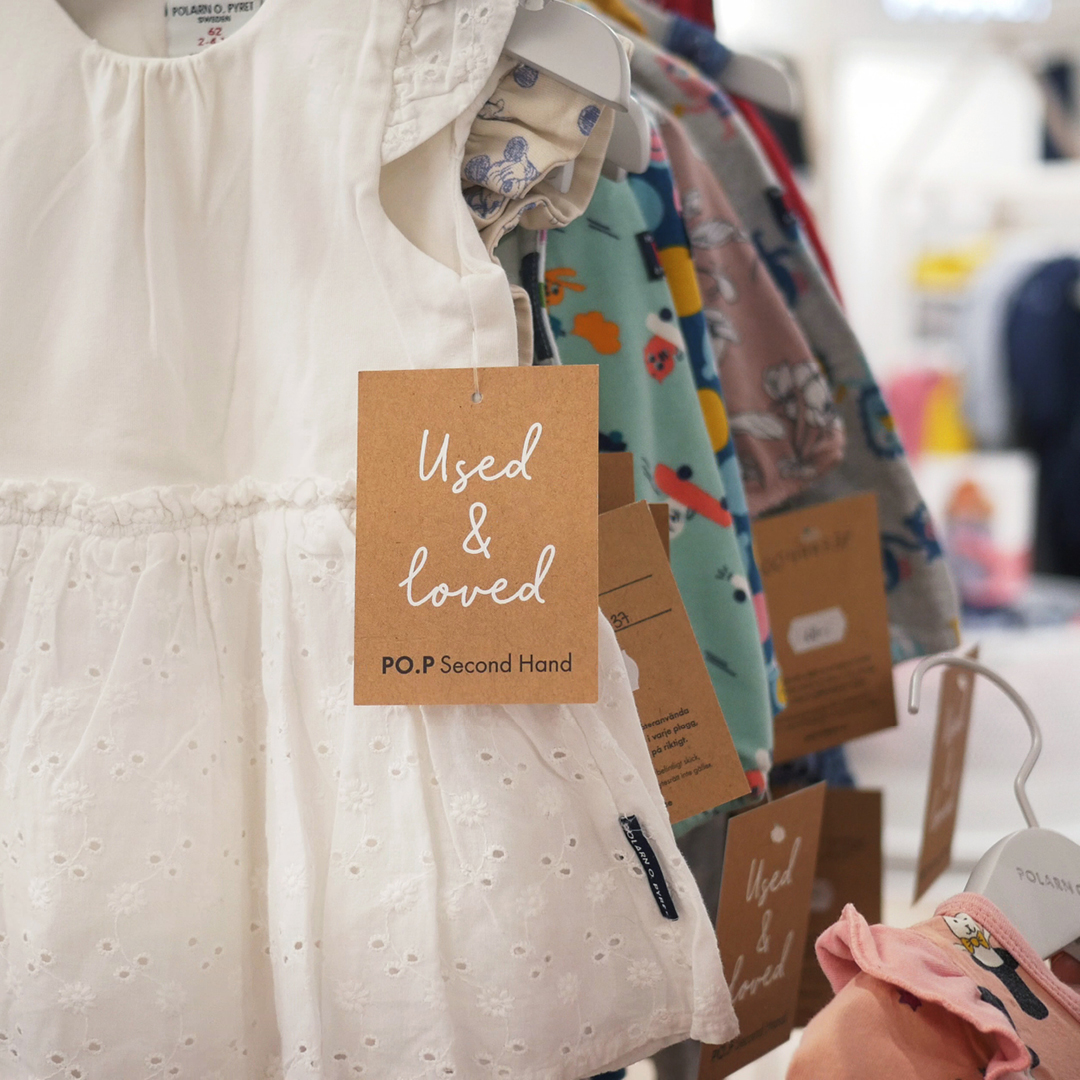
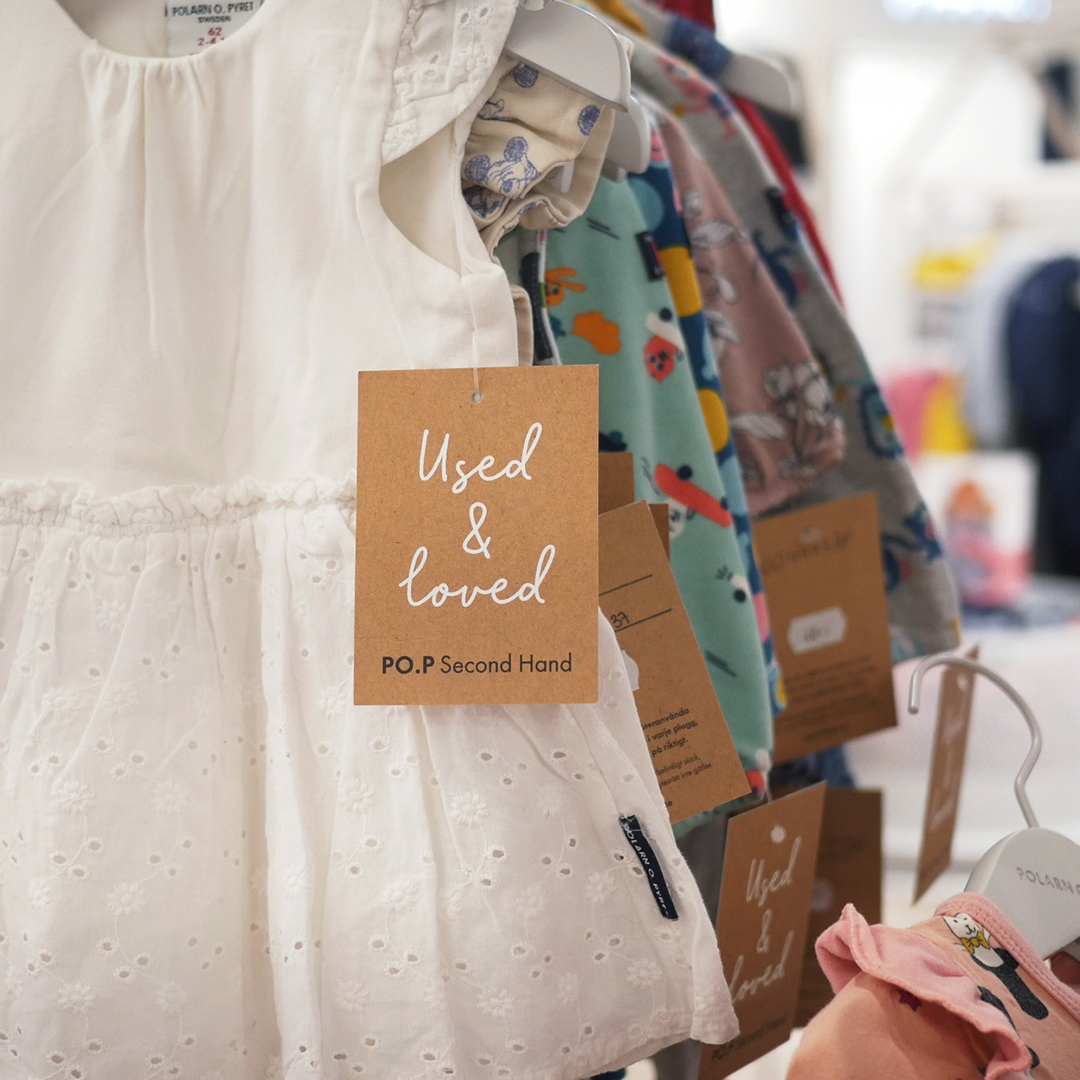
Polarn O. Pyret’s ‘in- house’ second-hand service is now live across its entire clothing collection
In a move hailed by industry experts, iconic Swedish kids clothing brand Polarn O. Pyret’s category-leading in-house destination for PO.P Second Hand, is now available across the entire clothing collection. Raising the bar for re-commerce, Polarn O. Pyret, or PO.P, as it’s affectionately known by loyal fans, is the only known major fashion brand to embed re-commerce into its core business model by offering second hand ‘in house’ as a brand service.
Polarn O. Pyret Proudly Takes Ownership
Building PO.P Second Hand as a brand service offering means PO.P have created a go-to destination for buyers and sellers of PO.P pre-loved at a time when the norm is for brands to externalise their second hand offer to third party resellers.
With a long-standing vision that every piece of PO.P clothing is owned by at least three children, PO.P Second Hand is not only the ultimate proof point for a value proposition rooted in longevity , it’s also a clear commitment to guaranteeing the vision’s delivery.
Whilst many brands are recognising the commercial opportunity of second hand, models that simultaneously receive second hand back into the brand ecosystem, and sell directly back to customers remain a rarity.
Perceived barriers around profitability of second hand, and challenges with delivering a positive customer experience can prevent brands from embracing in-house solutions. The second hand ‘trend’ has led to a rise in resellers such as Thrift Plus and ReSkinned who process a brand’s second hand inventory, handling refurbishment and re-commerce. Critics of third-party resale solutions say outsourcing second hand allows brands to continue ‘business as usual’, and doesn’t lead to fundamental change in the core business model at a time when the imperative to drastically cut environmental impacts of the fashion industry couldn’t be greater.
Buying and selling second hand from their own brand website not only exemplifies their commitment to second hand, but sets PO.P apart from both a business model and customer experience perspective.
And the results so far speak for themselves. The ground-breaking service experienced unprecedented interest during a trial with outerwear last year. 95% of items sold out within just five days giving the brand confidence to extend the service across its entire range. Since a September ‘soft launch’ customers have been able to trade in any second hand PO.P item, no matter where it was purchased.
Category-leading Benefits For Buyers and Sellers.
With second-hand shopping notoriously fraught with challenges and inconvenience, PO.P has systematically addressed the key barriers that prevent conscious customers from engaging in buying and selling second hand.
Customer insights from a recent brand survey revealed that nearly one third of PO.P customers already regularly shop pre-owned childrenswear through other channels, but less than a fifth regularly sell – with many stating there is too much hassle involved, from taking pictures (45%) to arranging postage (54%).
Taking full ownership of the inventory has meant PO.P has full control of the brand experience, and is able to tackle these barriers head on.
With no photos required, free shipping for sellers, free returns for buyers, Ozone cleaning and repair all taken care of, plus a transparent voucher system for traded-in items redeemable against ALL kids clothes, new or used, you can see why PO.P Second Hand is already flying off the virtual shelves. And now the brand will be able to leverage the service to bring new customers to the brand and drive loyalty.
PO.P UK MD Mats Nilsson said,
‘PO.P already leads the way with a sustainability mindset baked into how we do business. We really care about the clothes we produce and Second hand is the obvious next step for us. But it’s also really important that we take full ownership of the experience for customers. The only way we can do that and truly build brand value through second hand is to take full ownership of our products’.
He continued, ‘It’s what customers want, and it’s what the planet needs. But there’s being seen to be doing second hand and there’s really DOING second hand. We’re putting our money where our mouth is and are investing in building a profitable resale model that helps us manage our impact as we grow the PO.P brand here in the UK’.
Praising the significant development, Gerrard Fisher, Founder of QSA, a leading light in circular business modelling in the fashion industry with clients such as Depop, ReLondon and FarFetch said;
“This is real category leadership by Polarn O. Pyret. Giving equal value to second hand product by integrating it into the core brand ecommerce platform is a game-changer for customers. It’s not only a great way for a brand built on longevity to make the most value from what they produce, selling used clothing is also an essential part of an authentic sustainability programme. Second hand items have a substantially lower carbon footprint than new’.
QUICK FACTS, SUMMARY
Preloved Sellers:
- FULL CONTROL: Trade in technology puts the customer in the driving seat to manage their own trade in via the PO.P brand website.
- ZERO HAGGLE: All POP items are accepted, with a transparent rules based, tiered trade-in voucher system that ensures the customer knows exactly what they’ll get for every product.
- ZERO HASSLE: No ‘valuations’. No requirement to take photos.
- INCLUSIVE: Trade in with PO.P is purchase origin agnostic so it doesn’t matter where the customer made their original purchase, or whether they have a buying history with the brand.
- ZERO COST: Free shipping integrated into the trade in process
- EQUAL BENEFITS: The PO.P Second Hand collection is subject to the same benefits and conditions as new. Sellers can redeem their trade in vouchers against new OR PO.P Second Hand.
Preloved Buyers:
- PREMIUM PO.P WITH A PRE-LOVED PRICE TAG. POP Preloved shoppers can look forward to making a saving of 60% compared to buying the item new.
- ‘PO.P CERTIFIED’. PO.P Second Hand shoppers benefit from pre-loved items being ‘quality assured’ by PO.P
- Every returned item will be cleaned and disinfected using the genius OZONE chamber removing up to 99% of bacteria.
- The OZONE chamber also destroys odour meaning every second-hand item smells as good as new.
- ONE-STOP- PO.P: Customers can shop PO.P Second Hand alongside new in the Polarn O. Pyret main brand website, a one-stop-shop for new AND pre-loved.
- All items are checked for repair and poppers and zips replaced where necessary to ensure all items are fully functional.
- FREE RETURNS: shoppers enjoy the same benefits as new with all POP Second Hand purchases, still be eligible for free returns if the item isn’t suitable or doesn’t fit as expected.
- PO.P, WITHOUT THE IMPACT: 90% of emission in fashion come from the production and transportation of new clothes.. Buying second hand significantly reduces the impact from a person’s purchase.
[ad_2]
Source link






Business & Finance
How AI is Transforming Small Businesses: Success Stories
This article explores the transformative impact of AI on small enterprises, highlighting specific case studies of businesses that have successfully integrated AI technologies to enhance efficiency and competitiveness.
In September 2026, the Financial Times reported a significant surge in the adoption of AI technologies by small enterprises, driven by the promise of enhanced efficiency and reduced operational costs. Among the many businesses venturing into this digital frontier, a few stand out as exemplary cases, demonstrating the transformative power of AI when strategically implemented.
Take, for instance, GreenLeaf Grocers, a small organic food retailer based in Brighton. Faced with the challenges of scaling operations and managing inventory efficiently, GreenLeaf turned to AI-driven inventory management systems. By analyzing customer purchasing patterns and forecasting demand, the system enabled the grocer to optimize stock levels, reducing waste by 30% within the first year. The owner, Sarah Jenkins, noted, “AI has not only streamlined our operations but has also allowed us to focus more on customer service and community engagement.” This case underscores the potential of AI to reshape retail operations, offering insights into customer behavior that were previously inaccessible.
Another compelling story is that of TechFixers, a family-run electronics repair shop in Manchester. Confronted with increasing competition and the need to differentiate their services, the owners implemented an AI-powered diagnostic tool. This technology rapidly identifies device issues, providing technicians with precise solutions. As a result, TechFixers reduced average repair times by 40%, significantly boosting customer satisfaction and expanding their clientele. The owner, Mark Thompson, attributes their competitive edge to AI, stating, “Integrating AI into our diagnostic process has been a game-changer, allowing us to offer quicker, more reliable repairs.”
In the realm of financial services, FinServe, a small accounting firm in London, illustrates the impact of AI on service delivery. By employing AI-based analytics tools, FinServe offers clients real-time financial insights and predictive forecasting. This capability has attracted a new segment of tech-savvy clients seeking proactive financial management. The firm’s director, Lucy Patel, emphasized the strategic advantage gained, “AI has empowered us to provide a level of service that was previously the domain of larger firms. We’re now able to deliver insights and strategic advice that truly add value for our clients.”
These cases highlight not only the successful application of AI in various industries but also the diverse ways in which small enterprises can leverage technology to overcome specific challenges. While the potential benefits of AI are substantial, the journey is not without its hurdles. Businesses must navigate the complexities of data integration, system compatibility, and the initial investment costs. However, for those willing to embrace the change, the rewards can be substantial.
As AI technology continues to evolve, its role in small business operations is likely to expand, offering new opportunities for innovation and growth. The experiences of GreenLeaf Grocers, TechFixers, and FinServe serve as a testament to the transformative power of AI, providing a roadmap for other small enterprises eager to harness this technology.
Looking ahead, the integration of AI into small business operations is set to become even more pervasive. As technology advances and becomes more accessible, businesses of all sizes will find new ways to leverage AI for competitive advantage, creating a dynamic and constantly evolving landscape.
Business & Finance
EU Cryptocurrency Regulations: A New Era for Market Transparency and Investor Confidence
The European Union’s new cryptocurrency regulations promise to enhance market transparency and bolster investor confidence, potentially setting a global standard for regulatory practices.
In September 2026, the European Union unveiled a comprehensive regulatory framework for cryptocurrencies, marking a pivotal moment in the evolution of digital finance. These new regulations are designed to foster market transparency and enhance investor confidence, setting a precedent that could influence global cryptocurrency policies. The framework, announced by the European Commission, aims to address the volatility and unpredictability that have long plagued the cryptocurrency markets. By implementing stringent disclosure requirements and robust consumer protection measures, the EU seeks to create a safer and more stable environment for both seasoned investors and new entrants.
At the heart of the new regulations are provisions that require cryptocurrency exchanges and wallet providers to adhere to strict transparency standards. This includes mandatory reporting of transaction data and enhanced identity verification processes, which aim to curb illegal activities such as money laundering and fraud. According to the European Commissioner for Financial Services, Mairead McGuinness, these measures will not only protect investors but also bolster the legitimacy of the cryptocurrency market as a whole.
The impact on the market has been immediate and largely positive. Following the announcement, several major cryptocurrencies experienced a surge in value, reflecting increased confidence in the regulated environment. Industry leaders, including Binance CEO Changpeng Zhao, have publicly supported the EU’s approach, highlighting its potential to attract institutional investors who have been hesitant to engage with unregulated markets.
Moreover, the EU’s proactive stance on regulation is likely to influence other regions to adopt similar frameworks. As the global financial community grapples with the challenges and opportunities presented by digital currencies, the EU’s model offers a blueprint for balancing innovation with security. Experts suggest that this could lead to a harmonized set of international standards, facilitating cross-border cryptocurrency transactions and fostering global economic integration.
Critics, however, caution against over-regulation stifling innovation within the cryptocurrency space. Yet, proponents argue that a well-regulated market can actually spur technological advancement by providing clear guidelines within which innovation can thrive. By demystifying the legal landscape, the EU’s regulations could encourage more startups to develop blockchain-based solutions under a stable and predictable legal framework.
Looking ahead, the EU’s regulatory framework is poised to redefine the cryptocurrency landscape, with potential ripple effects across the globe. As other jurisdictions observe the EU’s progress, they may be inspired to implement similar measures, ultimately contributing to a more transparent and secure global financial system. In this new era, the balance between regulation and innovation will be key to unlocking the full potential of cryptocurrencies.
Business & Finance
EU’s Regulatory Shift: A Boon for Small Tech Firms
New EU regulations targeting tech monopolies promise to level the playing field, offering unprecedented opportunities for smaller tech companies to thrive. Explore how these changes could reshape the industry.

In a decisive move aimed at curbing the dominance of technology giants, the European Union has implemented a suite of new regulations designed to foster competition and innovation within the industry. Announced by the European Commission on May 21, 2026, these measures are part of a broader strategy to dismantle monopolistic practices and empower smaller players in the tech sector. The Financial Times reported that this regulatory shift could herald a new era for startups and small businesses, offering them a unique opportunity to compete on a more level playing field.
For years, the EU has tussled with tech behemoths over issues ranging from data privacy to market monopolies. These latest regulations, however, mark a significant escalation in the EU’s efforts to promote fair competition. By targeting the monopolistic practices that have long stifled smaller competitors, the EU aims to dismantle barriers that have historically protected the interests of large corporations. This shift is timely, as innovation increasingly emerges from smaller tech companies that often lack the resources to challenge established giants.
The current regulatory framework introduces stringent measures that impose limits on data sharing, promote transparency in algorithms, and mandate interoperability between platforms. These measures, as detailed by the European Commission, aim to dismantle the walls that have allowed tech giants to corner markets and stifle competition. Smaller firms, often more agile and innovative, stand to benefit immensely. By ensuring that platforms cannot unfairly prioritize their own services, these regulations open doors for startups to enter markets previously dominated by a few large players.
Market analysts have noted that these changes could lead to a renaissance in tech innovation across Europe. Smaller companies, unburdened by the constraints of battling entrenched incumbents, are likely to experiment with new technologies and business models. For instance, the requirement for interoperability could lead to the development of new collaborative platforms that challenge existing ecosystems. As a result, consumers may see a surge in diverse product offerings tailored to specific needs, driven by smaller companies eager to carve out niche markets.
The response from tech giants has been predictably cautious. While some have expressed willingness to comply, others have raised concerns about the potential for stifling innovation and increasing operational costs. However, proponents of the regulations argue that true innovation thrives in competitive environments. By breaking the hold of tech monopolies, the EU is not only fostering a fairer market but also driving the industry towards a more dynamic and responsive future.
Looking ahead, these regulatory changes could catalyze a shift in the global tech landscape. As smaller companies gain traction and challenge the status quo, the ripple effects may extend beyond Europe, influencing regulatory approaches worldwide. This development promises to reshape the dynamics of the tech industry, offering a glimpse of a future where innovation is driven by diversity and competition, rather than the dominance of a select few.
-
 Business & Finance2 years ago
Xella achieves significant progress in CO₂ emissions reduction, circular economy, and occupational safety
-

 Entertainment & Arts5 months ago
Drake’s ‘Iceman’: A Streaming Chart-Busting Success Story
-
 Environment & Nature1 year ago
SK tes Launches New Circular IT Facility in Shannon, Expanding Ireland’s Role in Global Sustainable Tech Services
-

 Science & Technology5 months ago
Apple’s AI Innovations: Shaping the Competitive Landscape in 2026
-

 Business & Finance5 months ago
AI Revolutionizes Cryptocurrency Trading with Real-Time Analysis
-

 Business & Finance5 months ago
The Rise of Green Finance in Europe: Challenges and Limitations
-

 Entertainment & Arts5 months ago
The Cinematic Legacy of Michael Jackson: A Biopic Unveiled
-

 Environment & Nature5 months ago
Scotland’s Rewilding Revolution: Ecological Benefits and Global Influence