
Environment & Nature
Startups Leading the New Cooling Industry


[ad_1]
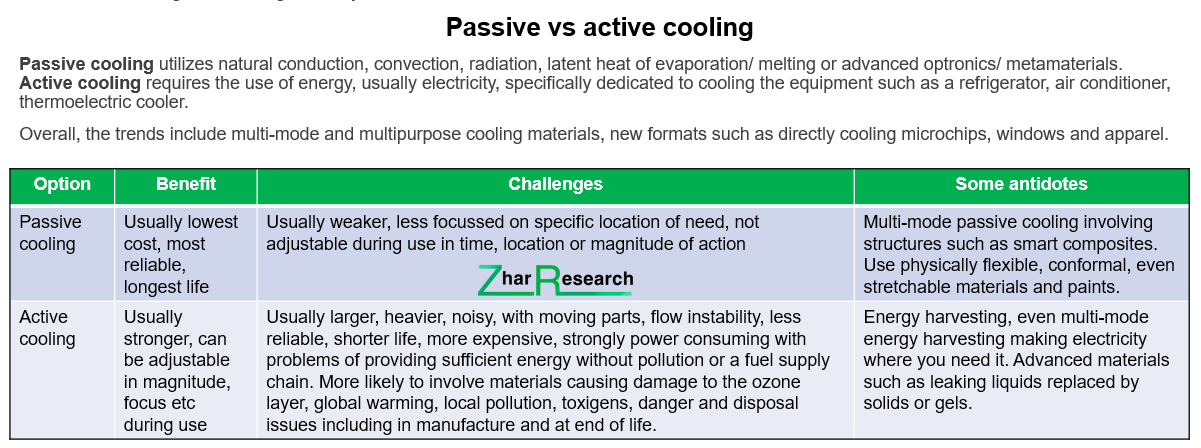
The emerging trillion-dollar cooling hardware market is fully analysed in two new reports from Zhar Research. “Passive Cooling Materials and Devices: New Markets 2023-2043” covers the ones needing no power. “Active Cooling: Large New Materials, Systems Markets 2023-2043” covers those needing power input but usually providing stronger cooling in return. That is a world of vapor compression and pumped liquid pipework chased by an increasing choice of entirely solid alternatives. It all tackles threats from global warming but also hotter data centers, electric vehicles land, water and air and much more. Expect cooling apparel, self-cooling microchips, windows that cool and other exotica. A tsunami of research is chasing this burgeoning demand. But also watch the small companies surging ahead.
Dr Peter Harrop, CEO of Zhar Research notes,
“Small and medium enterprises often show the way with rapidly emerging technologies and this is no exception. Consider them as partners or acquisitions, buying you valuable time, talent and intellectual property. For example, apparel that cools could be a lifesaver as places like India which increasingly suffers 50°C excursions. Startup HEIQ has the world’s first textile technology to deliver both instant contact cooling and continuous evaporative cooling for optimal well-being day and night. It cools before the first sign of sweat, delays the build-up of heat and continuously regulates the temperature. Instantly cool to the touch, the components synergistically recharge the surface layer ensuring a consistently cool, dry and comfortable climate around the body. However, some passively cooled apparel is weak particularly in high humidity so another startup Oceanit has created a highly effective battery-powered cooling vest using its proprietary, Thermocore® tubing. Its thermal conductivity matches that of the human body, facilitating heat transfer between your body and the coolant. This year US Military contracted Oceanit to make its next generation of war-fighter apparel that cools. Zhar Research has identified many other very significant small companies to watch. They have some of the best technologies to address the very different cooling needs that are arriving.”
Reducing the impact of vapor-compression aircon
Air conditioning and refrigeration systems consume close to 25% of electricity generated worldwide and are responsible for 7% of global greenhouse gas emissions yet almost all continue to use good old vapor compression cooling that improves little over the years. Start-up SkyCool Systems is the first company to employ radiative sky cooling with air conditioning and refrigeration systems. It applies a dual-mode film to the top surface of each panel. The film reflects sunlight to prevent the panels from heating up during the day and also emits infrared heat to the cold sky, which keeps the panels and any fluid flowing in them cool all the time. The fluid to be cooled is pumped through each panel. The panel temperature can drop by up to 8°C below the ambient temperature with zero electricity input. Nokia spinoff Accelsius has new passive technology, in this case targetted for cooling future data centers so they can perform better yet fit into city sites. More speculatively, startup Transaera sees its metal organic frameworks dehumidifying the air to supplement vapor compression cooling because pulling moisture out of the air takes up about half of the electricity used by traditional air conditioners.
Electric vehicles and more
Electric vehicles by land, water and air are rapidly gaining market share but with their range of travel a concern. The vehicle climate control can waste electricity reducing range so reducing its power consumption by ultra-lightweight aerogel insulation is addressed by one startup, starting with possible use in electric aircraft, where weight is particularly critical. Calyos, incorporated in 2014 to provide advanced heat pipes (passive evaporative closed systems for cooling) targets the electric vehicle and computing sectors. On the other hand, Israeli start-up SolCold has developed an environmentally friendly anti-Stokes material that helps to cool the temperature in a vehicle or other location. The first clients are expected to come from the business world paying around three dollars per square meter for it. Its cooling effect works both during the summer and winter and more strongly in low humidity, so it may be particularly useful in the Middle East and deserts. The phenomenon is a special optical process which converts long-wavelength excitation to short-wavelength emission – the opposite of a greenhouse. Practical versions juggle reflection, conduction and radiation. They appear as both active and passive cooling structures.
Microchips to delayed grid electricity
With one kilowatt microchips on the way, their cooling by new methods comes center stage. First revealed at CES 2023, AirJet® by $18M company Frore Systems is the world’s first solid-state chip for active device cooling. It silently delivers 2x improvement in device performance. Its compact size and unique capability enable faster, quieter, thinner, lighter, dustproof devices. Notebooks can now run twice as fast, they claim. On the other hand, Incooling BV has been founded to, “cool the planet one server at a time”. It puts nanotubes through the chip substrate, pumping pressurised liquid carbon dioxide coolant through them. That liquid carbon dioxide appears on the grand scale too. Startup Energy Dome develops giant liquid carbon dioxide facilities for delayed electricity on the grid. In that world, young company Highview Power leads in liquid air cooling for delayed electricity. Both are so-called Long Duration Energy Storage, a rapidly growing sector driven by wind and solar power being lowest cost yet intermittent. See Zhar Research report, “Long Duration Energy Storage LDES Markets 2023-2043: Grid Microgrid Delayed Electricity 6 Hours to Seasonal” which also includes coverage of the bursting orderbook for compressed air options needing cooling on the grand scale served by youngster Hydrostor.
Coatings and coverings
Much of the next generation cooling technologies involve panels, layers, coatings and even paint. We have discussed some already. In addition, small R&D company Plasmonics uses its design and fine lithography expertise to develop thermal metamaterial coatings. Startup Inventwood has a lightweight, waterproof panel exhibiting the phenomenon of Passive Daylight Radiative Cooling PDRC. Ruggedised and translucent, it has the potential to be a structural material enabling cooler buildings. Indeed, it has been demonstrated cooling fluids in air conditioning systems on the roof of a building – a neat combination of active and passive cooling. The new Zhar Research reports have the detail with independent forecasts and roadmaps. Read “Passive Cooling Materials and Devices: New Markets 2023-2043” and “Active Cooling: Large New Materials, Systems Markets 2023-2043”.
[ad_2]
Source link




Environment & Nature
Scotland’s Rewilding Revolution: Ecological Benefits and Global Influence
Scotland’s rewilding initiatives are transforming landscapes and ecosystems, offering ecological benefits and inspiring global conservation efforts. Explore the impact and future prospects of this bold environmental strategy.


In the misty highlands of Scotland, a quiet revolution is taking place. Rewilding, a concept that aims to restore ecosystems to their natural state, has been gaining momentum, transforming vast areas into thriving habitats. This ambitious movement is not only reshaping the Scottish landscape but also providing significant ecological benefits that echo far beyond its borders.
Central to the rewilding efforts are projects like the Cairngorms Connect and Trees for Life, which focus on restoring native forests and reintroducing keystone species such as the Eurasian lynx and beavers. These initiatives aim to enhance biodiversity, improve ecosystem services, and combat climate change by sequestering carbon in regenerating woodlands.
The ecological benefits are manifold. By reintroducing native species, these projects help restore natural processes and food webs, leading to healthier and more resilient ecosystems. The return of beavers, for instance, has been transformative; their dam-building activities create wetlands that support a myriad of plant and animal species, increase water retention, and reduce flood risks.
Moreover, rewilding contributes to soil restoration and enhances carbon capture. As diverse plant communities establish themselves, they improve soil structure and fertility, which in turn supports a broader range of wildlife. This natural regeneration process not only bolsters biodiversity but also plays a critical role in mitigating climate change.
However, the journey is not without its challenges. Critics argue that rewilding can conflict with traditional land uses, such as farming and grouse shooting, which are economically important to local communities. Balancing these interests requires careful negotiation and collaboration between stakeholders to ensure that rewilding projects are both ecologically and socially sustainable.
Looking ahead, Scotland’s rewilding initiatives hold immense potential to inspire similar efforts globally. By demonstrating the ecological and economic viability of rewilding, Scotland could galvanize international conservation strategies and contribute to global biodiversity targets.
As these wild landscapes continue to evolve, they offer a glimpse into a future where humans and nature coexist in harmony, each thriving in a supportively interconnected world. Scotland’s rewilding efforts may well be the blueprint for ecological restoration worldwide, as nations grapple with the twin crises of biodiversity loss and climate change.
Environment & Nature
The Promise and Peril of Climate Tech Innovations
As the climate crisis deepens, innovative technologies promise solutions, yet face significant challenges. This article critically examines the latest breakthroughs in climate tech, from carbon capture to renewable energy, and the obstacles they encounter.

In a bustling Silicon Valley lab, engineers are racing against time to perfect a new carbon capture technology, one that promises to revolutionize the fight against climate change. As the world grapples with the escalating impacts of global warming, the demand for innovative solutions has never been more urgent. Yet, as promising as these technologies appear, they are not without their challenges.
Carbon capture technology, designed to trap and store carbon dioxide emissions from power plants and industrial sources, is hailed as a critical component in the global strategy to reduce greenhouse gas emissions. However, the technology faces significant hurdles. High costs, energy requirements, and the need for extensive infrastructure development pose formidable barriers to widespread implementation. Critics argue that reliance on carbon capture could detract from efforts to reduce emissions at their source, such as transitioning to renewable energy.
Renewable energy technologies, such as solar and wind power, have seen remarkable advancements in recent years. The cost of solar panels has plummeted, making them more accessible than ever before. Wind turbines are now more efficient, capable of generating power even in low-wind conditions. Despite these advancements, the transition to a fully renewable energy grid faces obstacles. Storage technology, essential for balancing supply and demand, is still developing. Furthermore, the intermittent nature of wind and solar energy raises concerns about reliability, requiring substantial investment in grid infrastructure.
The climate tech sector is also grappling with issues of scalability and investment. For many startups, securing the capital needed to bring their innovations to market is a daunting challenge. Investors are often wary of the long timelines and uncertain returns associated with climate tech projects. This caution is compounded by regulatory hurdles and the need for supportive policy frameworks to incentivize adoption.
Despite these challenges, there is cautious optimism about the potential impact of climate tech innovations. Governments and private sector players are increasingly recognizing the necessity of these technologies in achieving climate targets. International collaborations and public-private partnerships are emerging as vital mechanisms for driving progress.
As the world stands at a crossroads, the stakes could not be higher. The successful deployment of climate tech innovations could significantly reduce carbon emissions, help stabilize global temperatures, and pave the way for a sustainable future. However, realizing this potential will require overcoming significant obstacles, fostering collaboration, and maintaining an unwavering commitment to innovation.
In conclusion, while climate tech holds immense promise, it is not a panacea. The path forward will demand bold action, strategic investments, and a willingness to tackle the inherent challenges head-on. Only then can we hope to harness the full potential of these innovations and secure a future where technology and nature coexist harmoniously.
Environment & Nature
Plant Vogtle and the Future of Nuclear Energy: Navigating the Debate
An in-depth exploration of Plant Vogtle’s role in the nuclear energy debate, examining its environmental and economic impacts two years post-completion.
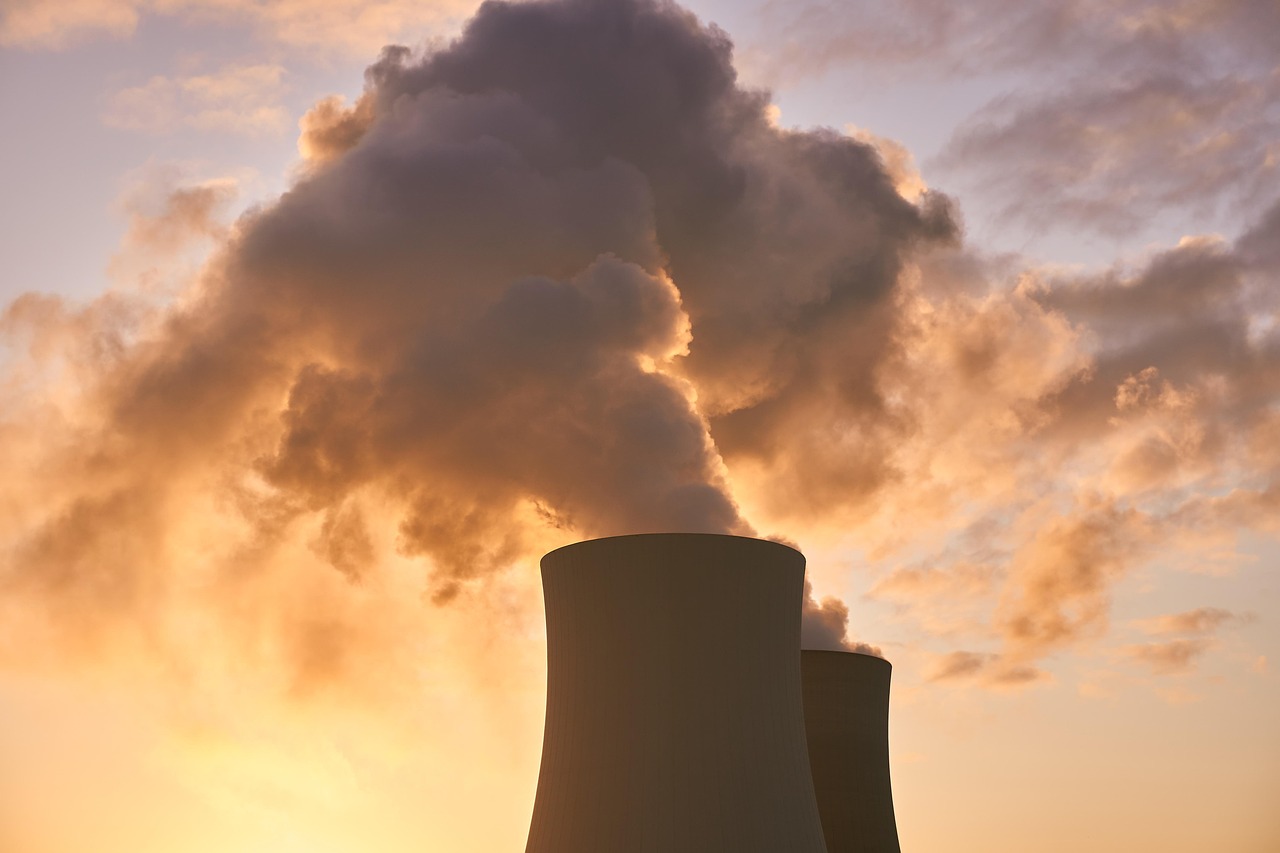
The completion of Plant Vogtle, the largest nuclear power plant construction project in the United States in over three decades, has reignited discussions about the role of nuclear energy in America’s future. As the nation grapples with the dual challenges of meeting growing energy demands and reducing carbon emissions, the implications of Plant Vogtle are far-reaching.
Plant Vogtle, located in Georgia, consists of two new reactors, Vogtle Units 3 and 4, which were added to the existing two units. The project, which faced years of delays and budget overruns, finally achieved a significant milestone with the completion of Unit 3. This achievement has been hailed by proponents of nuclear energy as a testament to the viability of nuclear power as a stable, low-emission energy source.
However, the journey to completion was not without controversy. Critics argue that the financial and logistical challenges faced by Plant Vogtle underscore the risks and unpredictability associated with nuclear power projects. The debate is further complicated by concerns over safety, waste management, and the environmental impacts of nuclear power.
Supporters of nuclear energy highlight its potential to provide a reliable supply of clean energy. Unlike solar and wind, which are intermittent, nuclear power offers a consistent energy output, which is crucial for maintaining grid stability. Proponents also point to the need for a diverse energy portfolio to meet the country’s energy needs while reducing reliance on fossil fuels.
From an economic perspective, the completion of Plant Vogtle has significant implications for the region. It is expected to create thousands of jobs and contribute to local economic growth. Moreover, the plant’s operation will play a critical role in Georgia’s energy strategy, potentially leading to lower electricity costs for consumers.
Looking ahead, the future of nuclear energy in the United States remains uncertain. While Plant Vogtle’s completion is a milestone for the industry, the high costs and extended timelines associated with nuclear projects continue to pose challenges. As the country moves towards renewable energy sources, the role of nuclear power will likely depend on technological advancements, policy decisions, and public perception.
In conclusion, Plant Vogtle stands at the intersection of the nuclear energy debate, serving as a focal point for discussions about the viability and sustainability of nuclear power in the 21st century. As the world seeks solutions to the climate crisis, the lessons learned from Plant Vogtle will be instrumental in shaping the future of energy policy.
-

 Entertainment & Arts5 months ago
Drake’s ‘Iceman’: A Streaming Chart-Busting Success Story
-
 Environment & Nature1 year ago
SK tes Launches New Circular IT Facility in Shannon, Expanding Ireland’s Role in Global Sustainable Tech Services
-

 Science & Technology5 months ago
Apple’s AI Innovations: Shaping the Competitive Landscape in 2026
-
 Business & Finance2 years ago
Xella achieves significant progress in CO₂ emissions reduction, circular economy, and occupational safety
-

 Business & Finance5 months ago
AI Revolutionizes Cryptocurrency Trading with Real-Time Analysis
-
 Business & Finance1 year ago
Apple Appeals €500 Million EU Antitrust Fine: A High-Stakes Battle Over App Store Rules
-

 Entertainment & Arts5 months ago
The Cinematic Legacy of Michael Jackson: A Biopic Unveiled
-

 Business & Finance5 months ago
The Rise of Green Finance in Europe: Challenges and Limitations