Environment & Nature
World Animal Protection reveals the travel company culprits STILL exploiting wildlife


[ad_1]
Embargoed January 16, 2023, 00:01 London — Companies like TUI Musement, GetYourGuide, Trip.com, AttractionTickets.com and Jet2holidays are STILL, exploiting wildlife for profit despite 84%1 of UK citizens who believe that tour operators should not sell activities that cause wild animals suffering, according to a report by World Animal Protection.
Elephant riding, selfies with tiger cubs and swimming with dolphins were some of the cruel wildlife activities on offer by these travel brands, according to the Real Responsible Traveller report. The study reviewed 9 leading travel companies on their commitment to animal welfare and wildlife friendly tourism with the aim to help holiday makers plan a wildlife friendly holiday.
Thousands of wild animals every year are forced to perform for tourist entertainment or be subjects for tourist “experiences” that are incredibly unnatural and stressful for them. For example, elephants in entertainment are captured in the wild or born into captivity and taken from their mothers at an early age. They are then subjected to violent training regimes causing huge physical and psychological harm.
Dolphins used for entertainment are mostly bred in captivity, (although some are still captured from the wild) and kept in barren tanks a tiny fraction of their natural home range which creates huge distress for these wonderful animals.
Travelling responsibly means never including captive wildlife entertainment or experiences on your itinerary and refusing to book your holiday with travel companies which may claim to offer responsible, sustainable travel, while continuing to profit from wild animal exploitation. The report also shows the travel companies who have made significant, positive steps for wildlife over recent years including Airbnb, and Booking.com. Expedia has improved in some areas, having stopped selling captive dolphin entertainment in 2021.
Katheryn Wise, World Animal Protection, Wildlife Campaign Manager, said: “Holiday makers have made it clear; they don’t want tour operators selling animal suffering, but the reality is, suffering is still being sold under the guise of entertainment. Who you book your holiday with matters. TUI Musement, Jet2holidays, GetYourGuide Trip.com and Attraction Tickets.com are STILL exploiting captive wild animals.
“World Animal Protection is urging responsible travellers to join us in challenging these companies to do better for animals. Real responsible travellers have the power to act and create lasting change for wild animals by refusing to support companies that still treat wild animals as commodities who they can exploit for profit.
“For more information on how you can make a difference visit our Real Responsible Travel Page at www.worldanimalprotection.org.uk/real-responsible-traveller.
“We are also urging the UK government to take action by passing the Animals (Low Welfare Activities Abroad) Bill, which sees its second parliamentary reading take place on February 3rd. This important bill intends to stop the sale and advertising of activities abroad which involve low standards of welfare for animals.”
The Real Responsible Traveller report builds on World Animal Protection’s 2020 Tracking the Travel Industry report, which assessed Airbnb, AttractionTickets.com, Booking.com, DER Touristik, Expedia, Flight Centre, GetYourGuide, Klook, The Travel Corporation, Viator, Trip.com and TUI Musement.
World Animal Protection commissioned the University of Surrey who independently analysed the public commitments travel companies have, and haven’t, made.
Companies were scored across four key areas:
- Commitment: Availability and quality of published animal welfare policies and how applicable they are to all their brands
- Targets and performance: Availability and scope of published time bound targets and reports on progress towards meeting animal welfare commitments
- Changing industry supply: Availability and quality of engagement with suppliers and the overall industry, to implement wildlife-friendly changes
- Changing consumer demand: Availability and quality of educational animal welfare content and tools to empower consumers to make wildlife-friendly travel choices
World Animal Protection then checked to see if they offered any of the five “animal attractions”:
- Elephant rides, feeding and washing
- Feeding or petting primates
- Selfies, shows, petting or walking with big cats
- Swimming with captive dolphins and dolphin shows
- The sale of any interactive “experiences” involving any captive wild animals (including for example sea lions, crocodiles and alligators)
For more information about industry best practices and how holidaymakers can make their concerns known to the travel companies click here.
Ends
References
- World Animal Protection commissioned Savanta in 2022 to complete a global online survey of 23,726 people across 15 countries (Denmark, Germany, Netherlands, Sweden, the UK, Spain, South Africa, Kenya, China, India, Thailand, Canada, the USA, Australia, and Brazil) on their attitudes to wildlife used in the tourist industry
Notes to editors:
Images can be downloaded here.
- World Animal Protection scrutinised travel companies by their international reach and by country/region operations, as follows:
- International: GetYourGuide, Klook, Trip.com, Traveloka, TUI Musement
- UK: TUI Musement, GetYourGuide, Trip.com, AttractionTickets.com, Jet2holidays, Expedia, Airbnb, Booking.com, Tripadvisor
- Denmark and Sweden: GetYourGuide, Trip.com, TUI Musement
- India: Traveloka, Trip.com, TUI Musement, Yatra, MakeMyTrip, Club Mahindra
- Brazil: GetYourGuide, CVC, Decolar
- Canada: GetYourGuide, Trip.com, Groupon
Information on travel companies according to website searches in September 2022.
Scoring by University of Surrey took place in June 2022.
- World Animal Protection has been moving the travel industry to stop sales of wildlife entertainment for more than a decade. First focusing on stopping offers for elephant rides and shows, and having successfully moved Tripadvisor and other major brands, we expanded our focus to include captive dolphins in 2019, and have since moved Expedia, Virgin Holidays, Booking.com and others to drop captive dolphin and/or elephant sales and become “wildlife friendly”.
- We encourage travel companies to have full information about their supply chains including animal experiences so they can become true leaders for animals. Our intention is to help travel companies grow their ethical sustainability credentials, by identifying and implementing solutions that ensure good welfare and protection of the animals involved.
World Animal Protection
World Animal Protection is the global voice for animal welfare, with more than 70 years’ experience campaigning for a world where animals live free from cruelty and suffering.
We have offices in 12 countries and work across 47 countries. We collaborate with local communities, the private sector, civil society and governments to change animals’ lives for the better.
Our goal is to change the way the world works to end animal cruelty and suffering for both wild and farmed animals. Through our global food system strategy, we will end factory farming and create a humane and sustainable food system, that puts animals first. By transforming the broken systems that fuel exploitation and commodification, we will give wild animals the right to a wild life. Our work to protect animals will play a vital role in solving the climate emergency, the public health crisis and the devastation of natural habitats.
[ad_2]
Source link



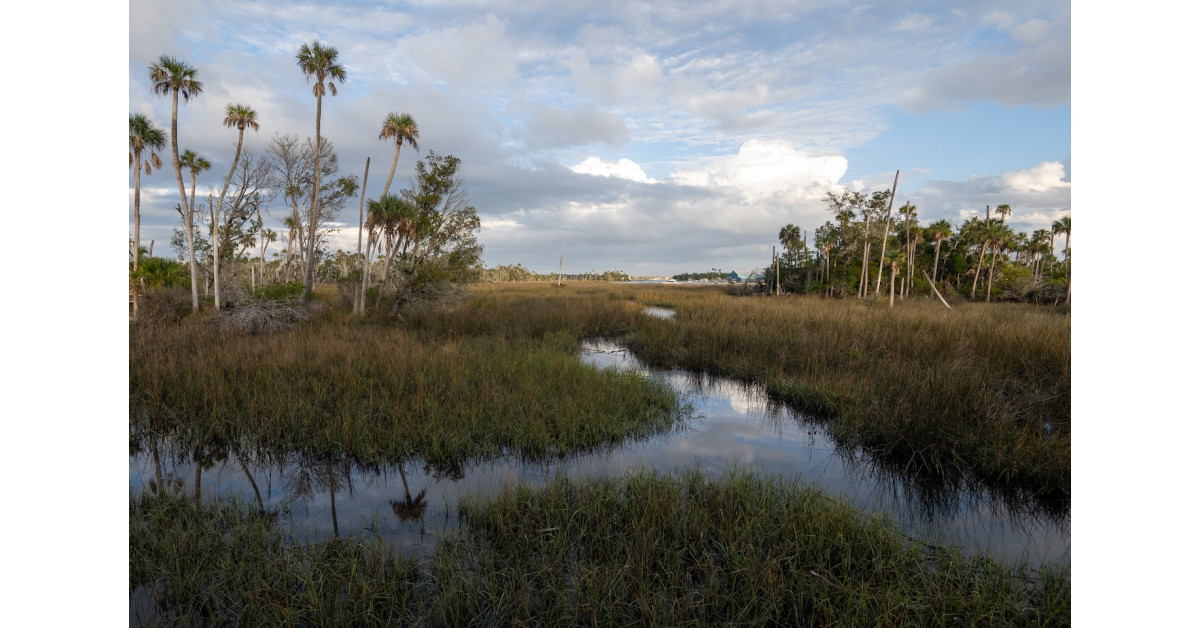

Environment & Nature
Scotland’s Rewilding Revolution: Ecological Benefits and Global Influence
Scotland’s rewilding initiatives are transforming landscapes and ecosystems, offering ecological benefits and inspiring global conservation efforts. Explore the impact and future prospects of this bold environmental strategy.


In the misty highlands of Scotland, a quiet revolution is taking place. Rewilding, a concept that aims to restore ecosystems to their natural state, has been gaining momentum, transforming vast areas into thriving habitats. This ambitious movement is not only reshaping the Scottish landscape but also providing significant ecological benefits that echo far beyond its borders.
Central to the rewilding efforts are projects like the Cairngorms Connect and Trees for Life, which focus on restoring native forests and reintroducing keystone species such as the Eurasian lynx and beavers. These initiatives aim to enhance biodiversity, improve ecosystem services, and combat climate change by sequestering carbon in regenerating woodlands.
The ecological benefits are manifold. By reintroducing native species, these projects help restore natural processes and food webs, leading to healthier and more resilient ecosystems. The return of beavers, for instance, has been transformative; their dam-building activities create wetlands that support a myriad of plant and animal species, increase water retention, and reduce flood risks.
Moreover, rewilding contributes to soil restoration and enhances carbon capture. As diverse plant communities establish themselves, they improve soil structure and fertility, which in turn supports a broader range of wildlife. This natural regeneration process not only bolsters biodiversity but also plays a critical role in mitigating climate change.
However, the journey is not without its challenges. Critics argue that rewilding can conflict with traditional land uses, such as farming and grouse shooting, which are economically important to local communities. Balancing these interests requires careful negotiation and collaboration between stakeholders to ensure that rewilding projects are both ecologically and socially sustainable.
Looking ahead, Scotland’s rewilding initiatives hold immense potential to inspire similar efforts globally. By demonstrating the ecological and economic viability of rewilding, Scotland could galvanize international conservation strategies and contribute to global biodiversity targets.
As these wild landscapes continue to evolve, they offer a glimpse into a future where humans and nature coexist in harmony, each thriving in a supportively interconnected world. Scotland’s rewilding efforts may well be the blueprint for ecological restoration worldwide, as nations grapple with the twin crises of biodiversity loss and climate change.
Environment & Nature
The Promise and Peril of Climate Tech Innovations
As the climate crisis deepens, innovative technologies promise solutions, yet face significant challenges. This article critically examines the latest breakthroughs in climate tech, from carbon capture to renewable energy, and the obstacles they encounter.

In a bustling Silicon Valley lab, engineers are racing against time to perfect a new carbon capture technology, one that promises to revolutionize the fight against climate change. As the world grapples with the escalating impacts of global warming, the demand for innovative solutions has never been more urgent. Yet, as promising as these technologies appear, they are not without their challenges.
Carbon capture technology, designed to trap and store carbon dioxide emissions from power plants and industrial sources, is hailed as a critical component in the global strategy to reduce greenhouse gas emissions. However, the technology faces significant hurdles. High costs, energy requirements, and the need for extensive infrastructure development pose formidable barriers to widespread implementation. Critics argue that reliance on carbon capture could detract from efforts to reduce emissions at their source, such as transitioning to renewable energy.
Renewable energy technologies, such as solar and wind power, have seen remarkable advancements in recent years. The cost of solar panels has plummeted, making them more accessible than ever before. Wind turbines are now more efficient, capable of generating power even in low-wind conditions. Despite these advancements, the transition to a fully renewable energy grid faces obstacles. Storage technology, essential for balancing supply and demand, is still developing. Furthermore, the intermittent nature of wind and solar energy raises concerns about reliability, requiring substantial investment in grid infrastructure.
The climate tech sector is also grappling with issues of scalability and investment. For many startups, securing the capital needed to bring their innovations to market is a daunting challenge. Investors are often wary of the long timelines and uncertain returns associated with climate tech projects. This caution is compounded by regulatory hurdles and the need for supportive policy frameworks to incentivize adoption.
Despite these challenges, there is cautious optimism about the potential impact of climate tech innovations. Governments and private sector players are increasingly recognizing the necessity of these technologies in achieving climate targets. International collaborations and public-private partnerships are emerging as vital mechanisms for driving progress.
As the world stands at a crossroads, the stakes could not be higher. The successful deployment of climate tech innovations could significantly reduce carbon emissions, help stabilize global temperatures, and pave the way for a sustainable future. However, realizing this potential will require overcoming significant obstacles, fostering collaboration, and maintaining an unwavering commitment to innovation.
In conclusion, while climate tech holds immense promise, it is not a panacea. The path forward will demand bold action, strategic investments, and a willingness to tackle the inherent challenges head-on. Only then can we hope to harness the full potential of these innovations and secure a future where technology and nature coexist harmoniously.
Environment & Nature
Plant Vogtle and the Future of Nuclear Energy: Navigating the Debate
An in-depth exploration of Plant Vogtle’s role in the nuclear energy debate, examining its environmental and economic impacts two years post-completion.
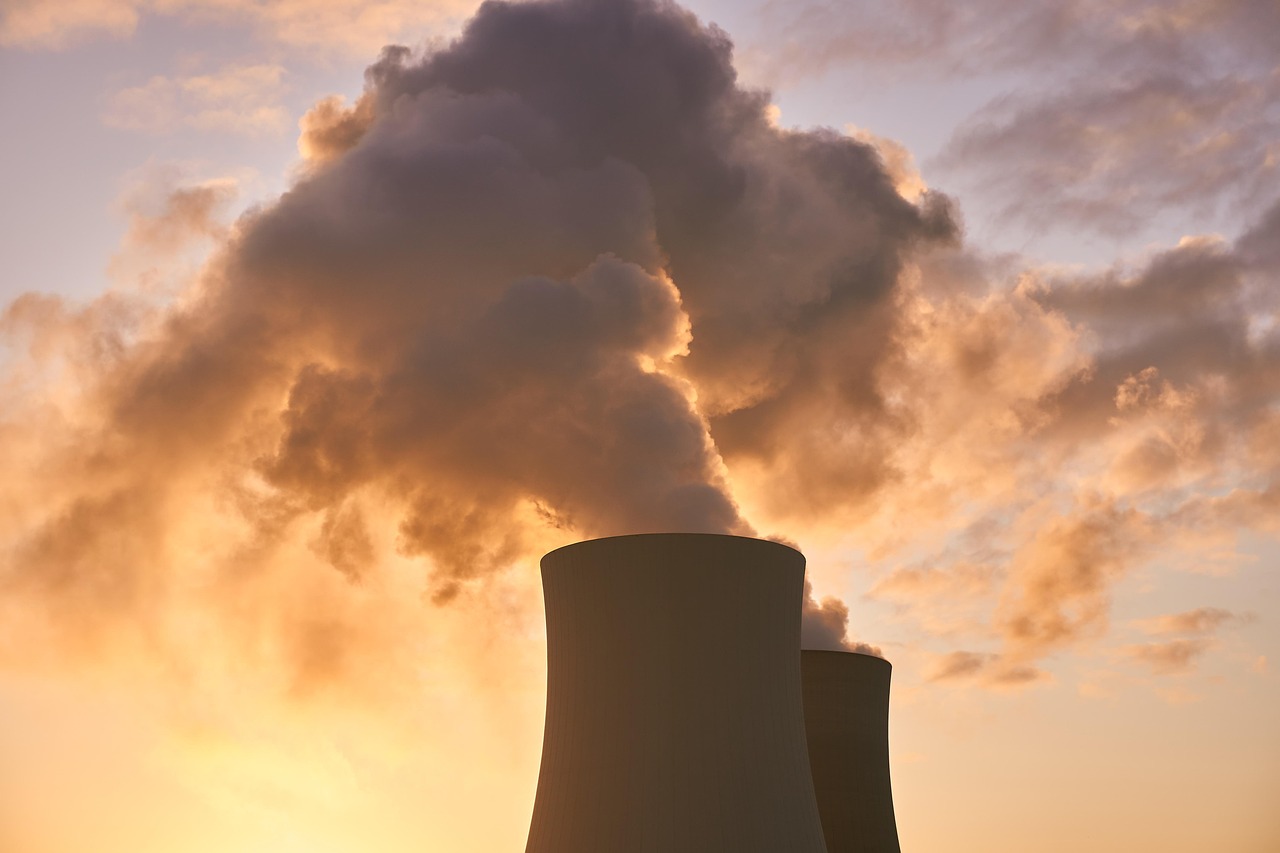
The completion of Plant Vogtle, the largest nuclear power plant construction project in the United States in over three decades, has reignited discussions about the role of nuclear energy in America’s future. As the nation grapples with the dual challenges of meeting growing energy demands and reducing carbon emissions, the implications of Plant Vogtle are far-reaching.
Plant Vogtle, located in Georgia, consists of two new reactors, Vogtle Units 3 and 4, which were added to the existing two units. The project, which faced years of delays and budget overruns, finally achieved a significant milestone with the completion of Unit 3. This achievement has been hailed by proponents of nuclear energy as a testament to the viability of nuclear power as a stable, low-emission energy source.
However, the journey to completion was not without controversy. Critics argue that the financial and logistical challenges faced by Plant Vogtle underscore the risks and unpredictability associated with nuclear power projects. The debate is further complicated by concerns over safety, waste management, and the environmental impacts of nuclear power.
Supporters of nuclear energy highlight its potential to provide a reliable supply of clean energy. Unlike solar and wind, which are intermittent, nuclear power offers a consistent energy output, which is crucial for maintaining grid stability. Proponents also point to the need for a diverse energy portfolio to meet the country’s energy needs while reducing reliance on fossil fuels.
From an economic perspective, the completion of Plant Vogtle has significant implications for the region. It is expected to create thousands of jobs and contribute to local economic growth. Moreover, the plant’s operation will play a critical role in Georgia’s energy strategy, potentially leading to lower electricity costs for consumers.
Looking ahead, the future of nuclear energy in the United States remains uncertain. While Plant Vogtle’s completion is a milestone for the industry, the high costs and extended timelines associated with nuclear projects continue to pose challenges. As the country moves towards renewable energy sources, the role of nuclear power will likely depend on technological advancements, policy decisions, and public perception.
In conclusion, Plant Vogtle stands at the intersection of the nuclear energy debate, serving as a focal point for discussions about the viability and sustainability of nuclear power in the 21st century. As the world seeks solutions to the climate crisis, the lessons learned from Plant Vogtle will be instrumental in shaping the future of energy policy.
-
 Business & Finance2 years ago
Xella achieves significant progress in CO₂ emissions reduction, circular economy, and occupational safety
-

 Entertainment & Arts5 months ago
Drake’s ‘Iceman’: A Streaming Chart-Busting Success Story
-
 Environment & Nature1 year ago
SK tes Launches New Circular IT Facility in Shannon, Expanding Ireland’s Role in Global Sustainable Tech Services
-

 Science & Technology5 months ago
Apple’s AI Innovations: Shaping the Competitive Landscape in 2026
-

 Business & Finance5 months ago
AI Revolutionizes Cryptocurrency Trading with Real-Time Analysis
-

 Entertainment & Arts5 months ago
The Cinematic Legacy of Michael Jackson: A Biopic Unveiled
-

 Business & Finance5 months ago
The Rise of Green Finance in Europe: Challenges and Limitations
-

 Business & Finance5 months ago
EU’s Regulatory Shift: A Boon for Small Tech Firms